 Membership
  Buy Tickets
 Cincinnati Zoo is committed to Saving Wildlife
In addition to contributing financial support to conservation projects, Zoo staff members often lead or participate in the field as well, dedicating their time and expertise to working with communities and partners. Cincinnati Zoo is actively involved in several AZA SAFE conservation programs.
African Lions
African Painted Dogs
African Penguins
African Vultures
American Burying Beetles
Anteaters and Armadillos
Asian Elephants
Bonobos

Butterflies, Bees, and other Bugs
Cheetahs
Golden Lion Tamarins
Gorillas
Giraffes
Hippos
Kea
Manatee
Mexican Wolves
Ocelots
Parrots
Red Pandas
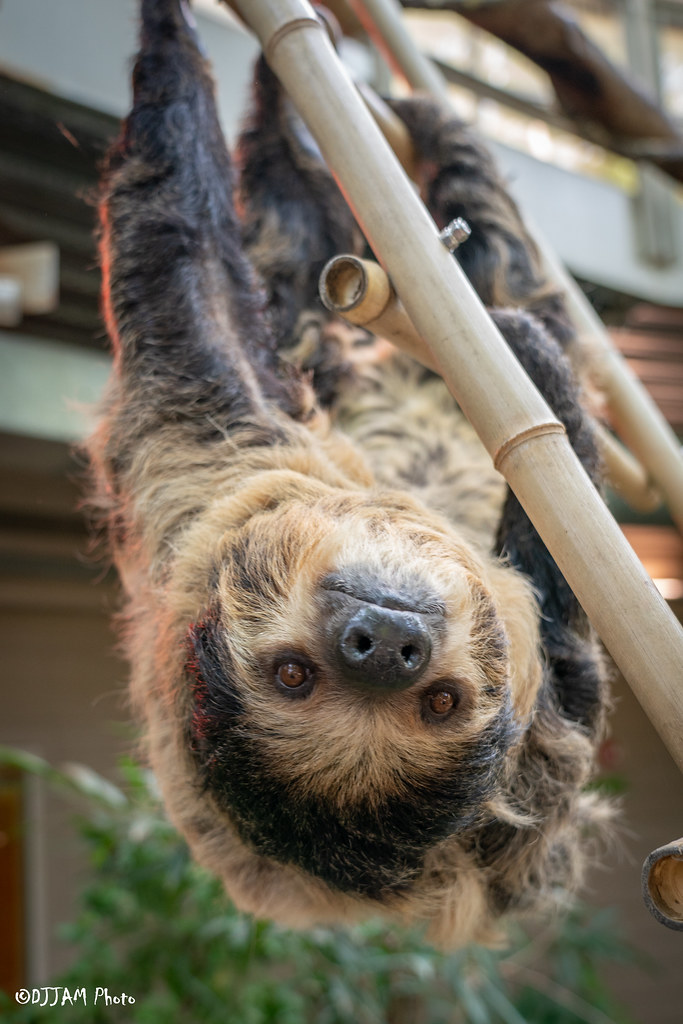
Sloths
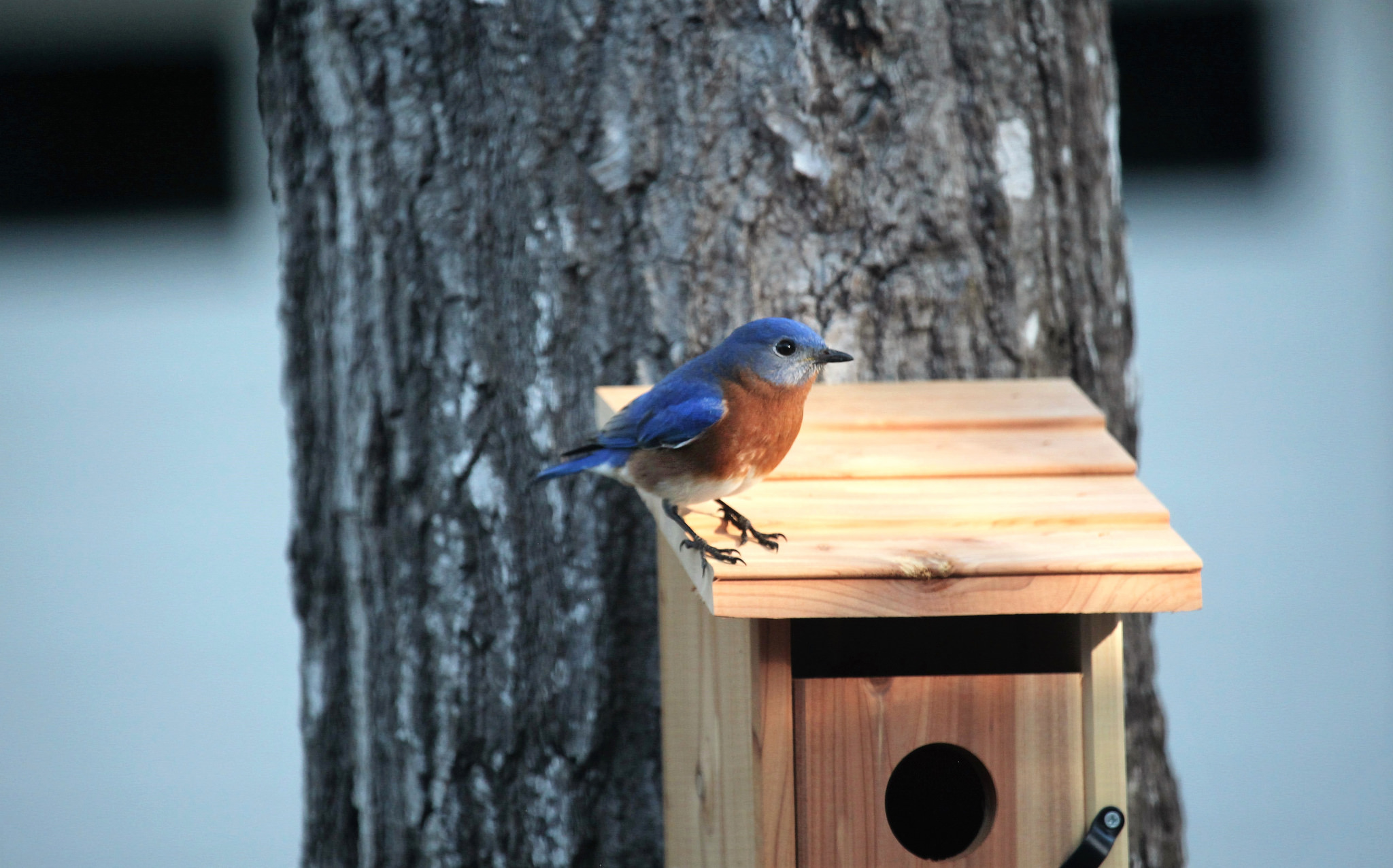
Songbirds
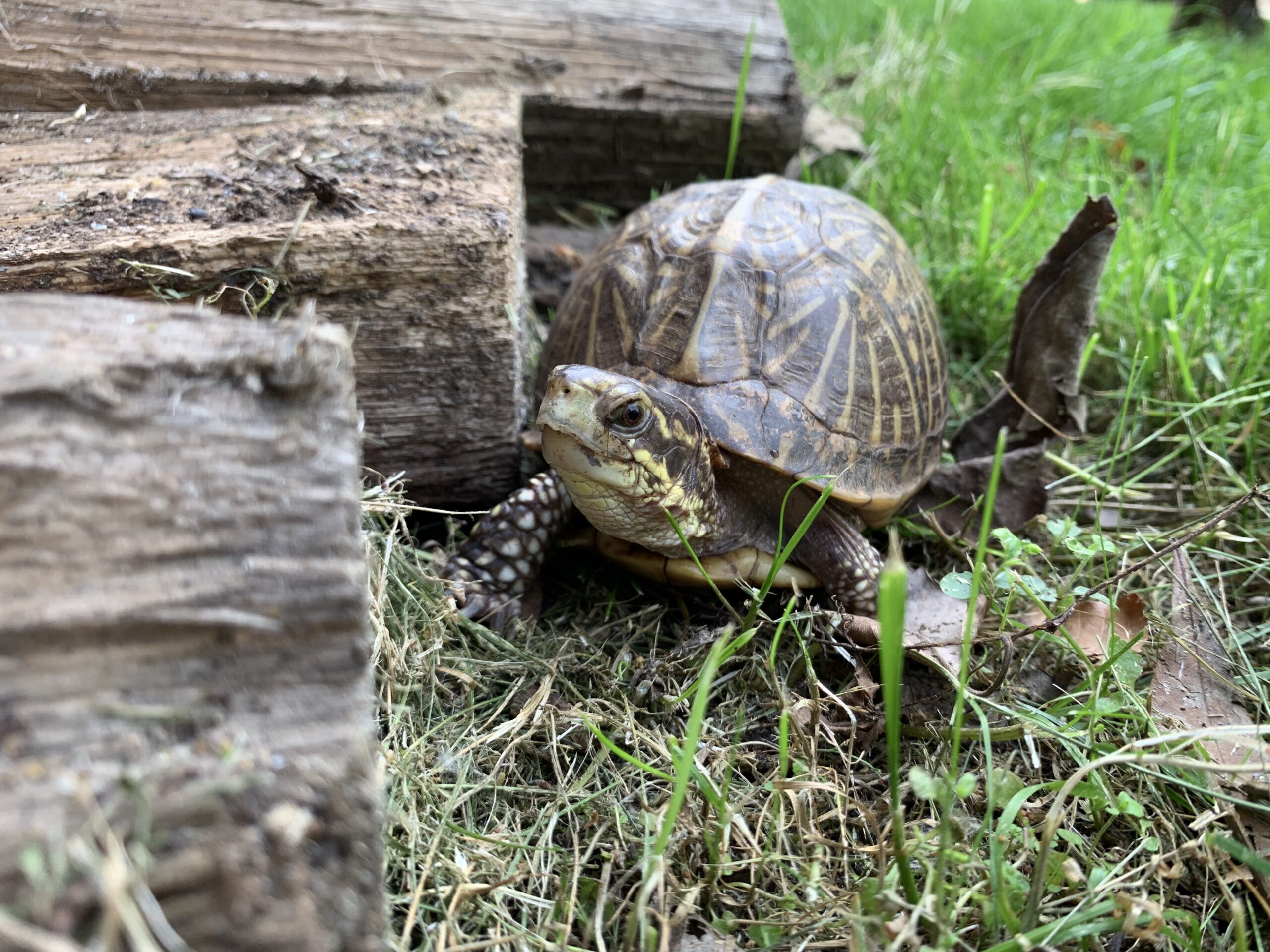
Turtles & Tortoises

-
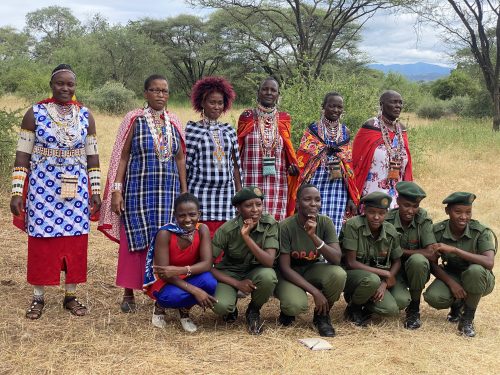 Wildlife rangers hired from local Maasai communities are a key part of SORALO’s conservation story and help to keep wildlife safe from people and people safe from wildlife.
 -
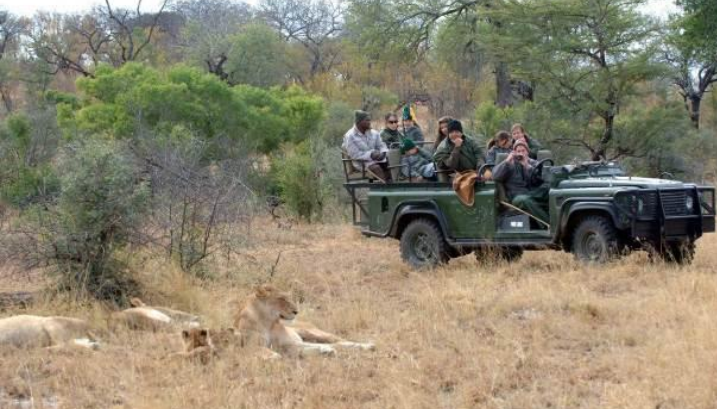 SORALO is an organization focused on maintaining a healthy connected landscape for people and wildlife in Kenya’s South Rift Valley.
 -
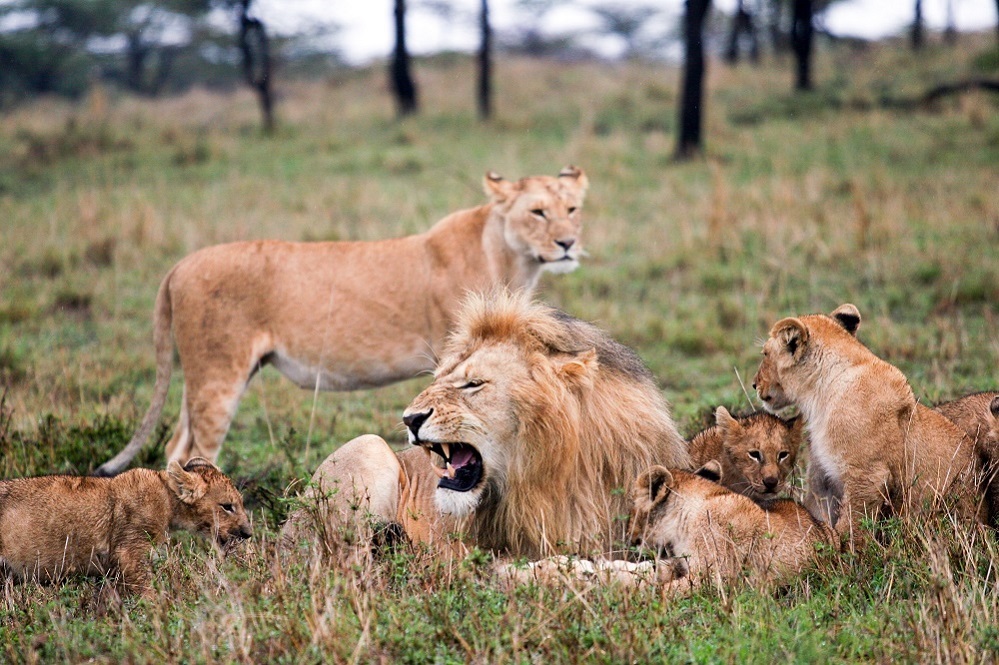
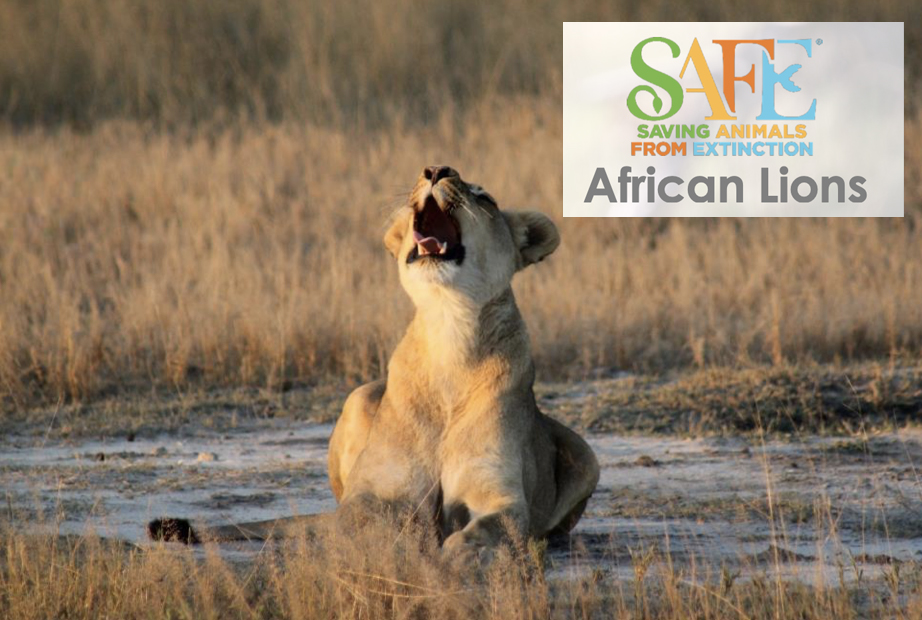 The basis of the SAFE African lion program is to elevate the voices of conservationists concentrated on African lions so that AZA facilities can support on-going initiatives with funding and expertise as needed. Photo: Hollie Colahan
 -
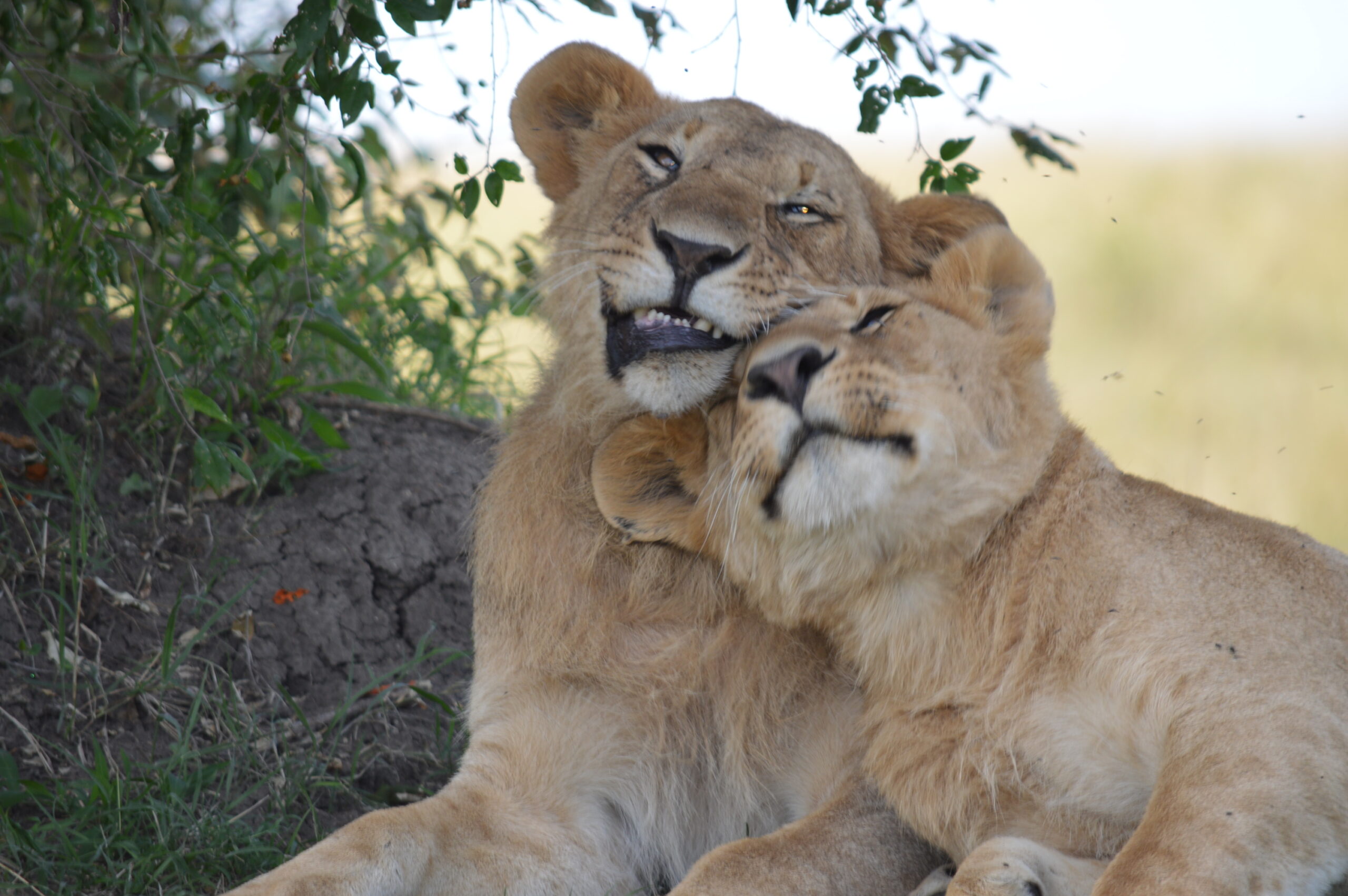
African Lions
The zoo provides funding and capacity support to SORALO, a community-driven conservation organization that combines tradition and modern technology to restore a healthy lion population while reducing the loss of livestock to lions in Kenya’s South Rift Valley. Local Maasai researchers track the movement of livestock and lions to understand seasonal movements and identify conflict hotspots.
The Cincinnati Zoo Conservation Impact team leads the AZA SAFE African Lion program, which aligns with the Lion Recovery Fund and Lion Landscapes’ approach to:
- stop the loss of African Lions,
- reduce the cost of communities living alongside these predators, and
- unlock the value to communities of coexistence with African lions.
-
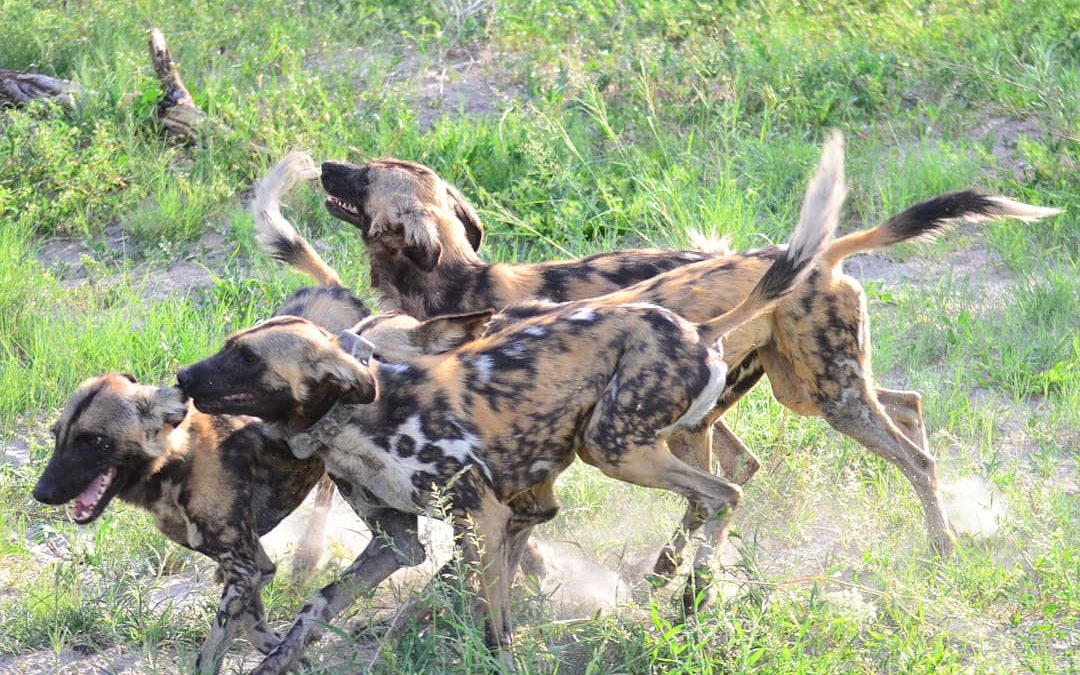 Wearing a satellite collar as part of BCP dispersal research project, so we were able to follow the two dispersing females more than is normally possible.
 -
 This SAFE program focuses on investment in regional strategic planning and strengthening AZA institution relationships to key partner organizations. Photo: Rosemary Groom
 -
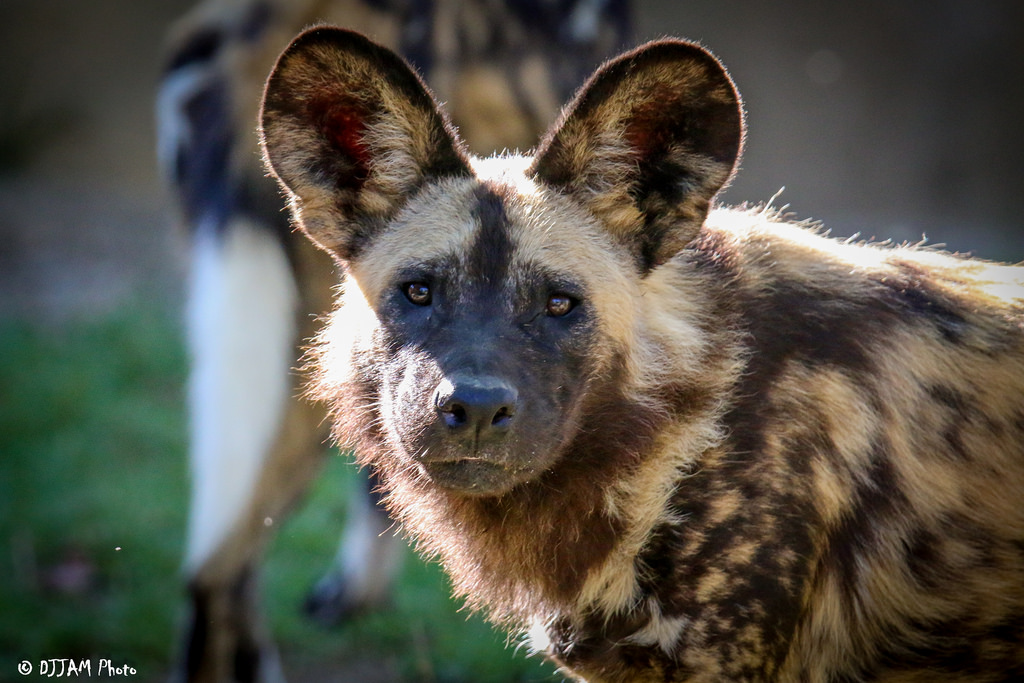
African Painted Dogs
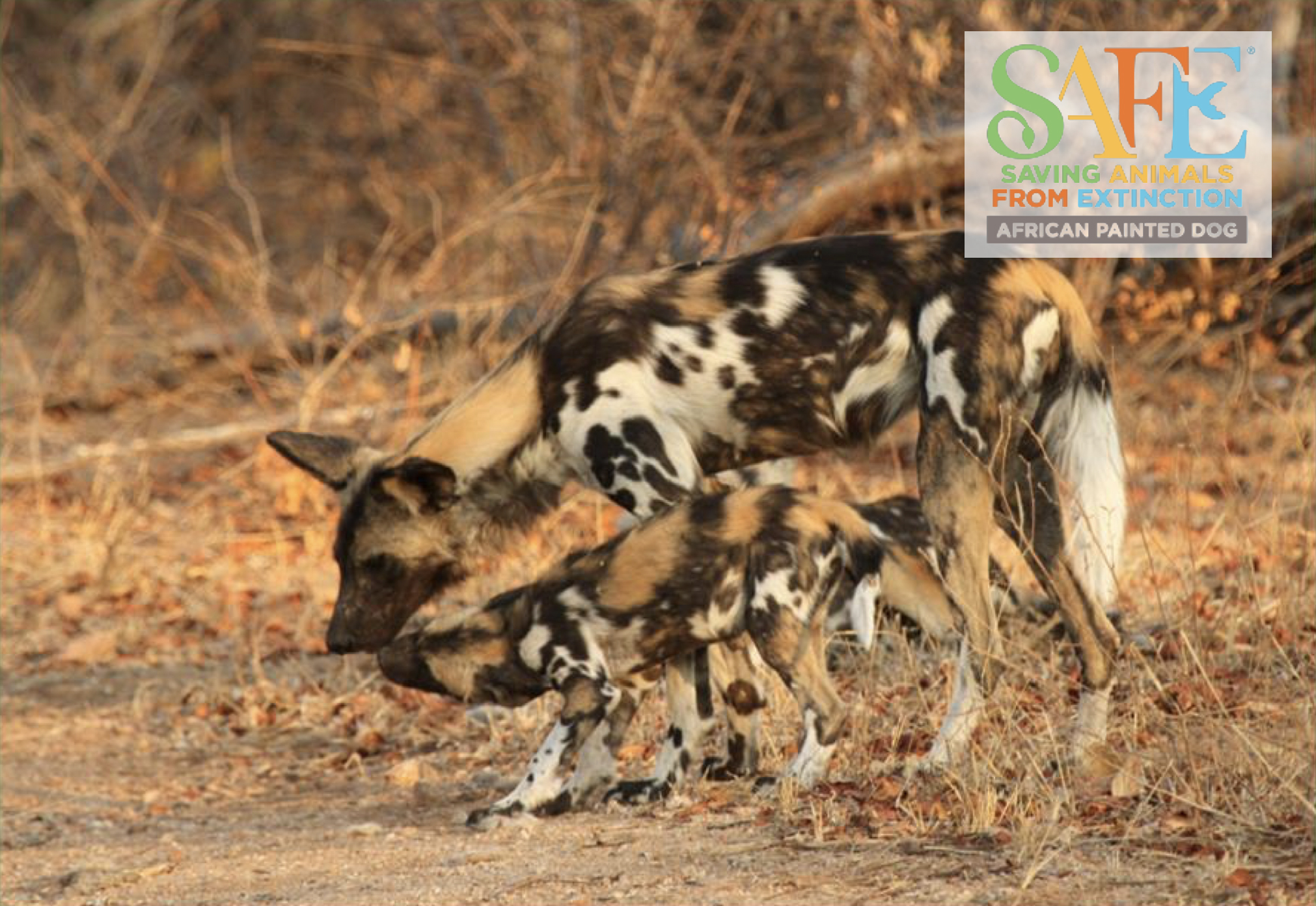
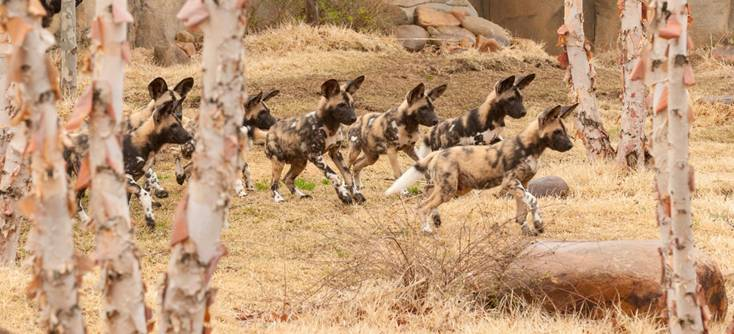
CZBG supports our partners in African Painted Dog conservation, through our involvement in the AZA SAFE African Painted Dog program. This SAFE program focuses on investment in regional strategic planning and strengthening AZA institution relationships to key partner organizations.
The primary goal of this SAFE African Painted Dog Program plan is to increase the impact that AZA institutions have on African painted dog conservation in each of its three regions (East Africa, North/West/Central Africa, and Southern Africa) by increasing conservation support and raising public awareness of African painted dogs in the wild and in human care
-
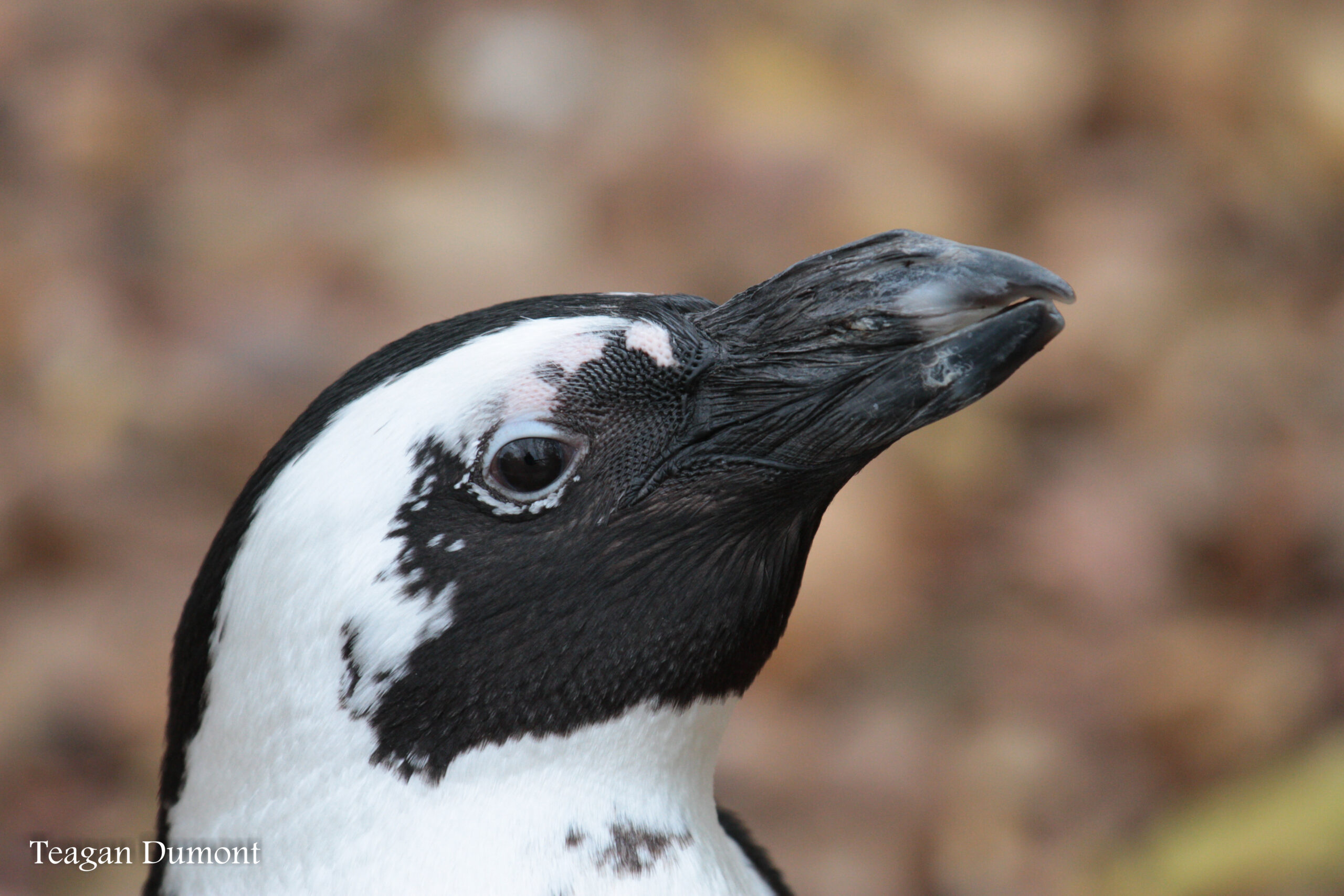
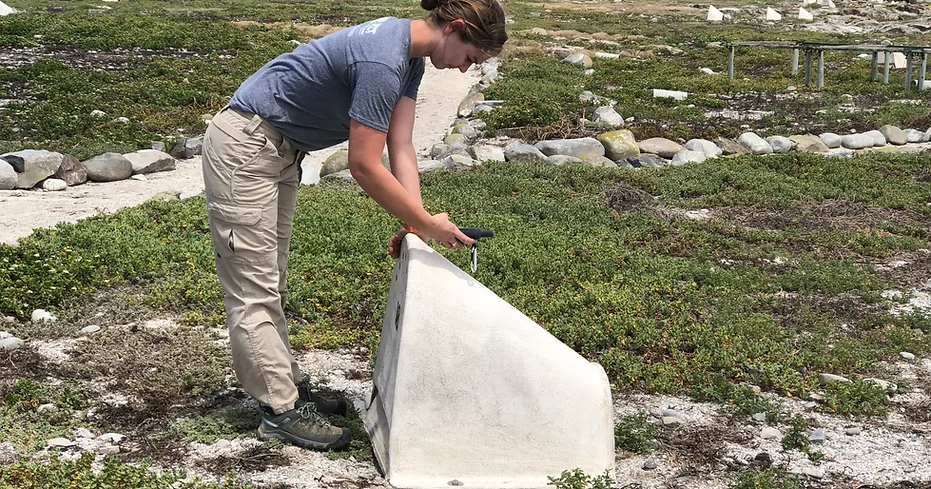 An African penguin nesting monitoring program is conducted to determine nest site selection, attendance, and fidelity, as well as reproductive success rates.
 -
African Penguins
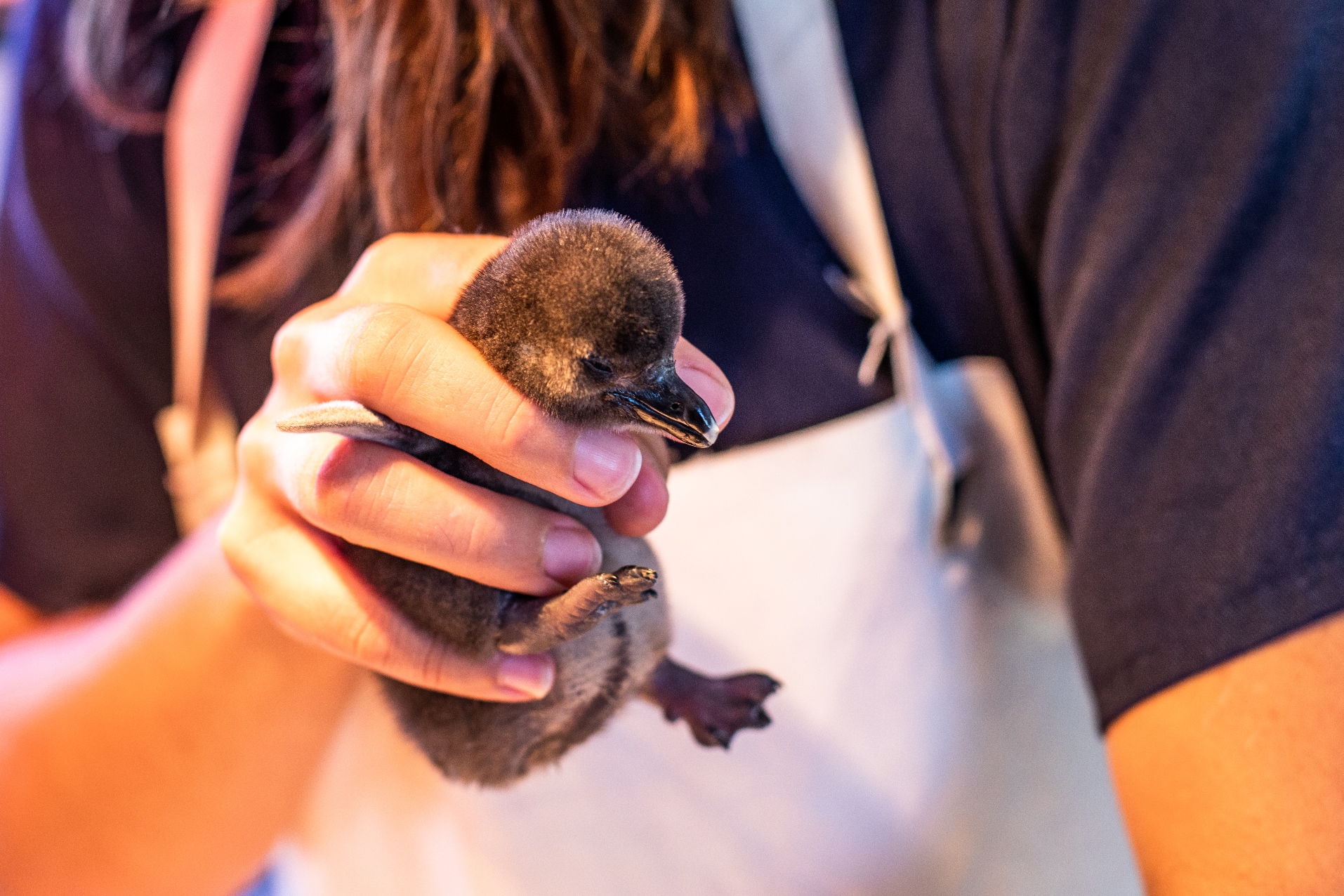
CZBG supports the AZA SAFE African Penguins program. It is a collaborative effort across multiple AZA facilities and partner organizations. The main goal of the initiative is to achieve population sustainability.
-
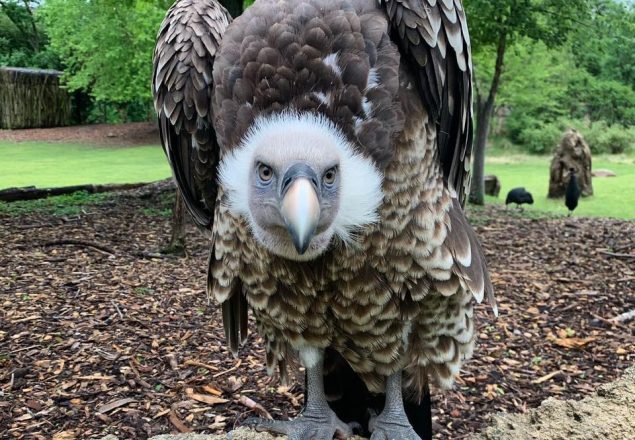
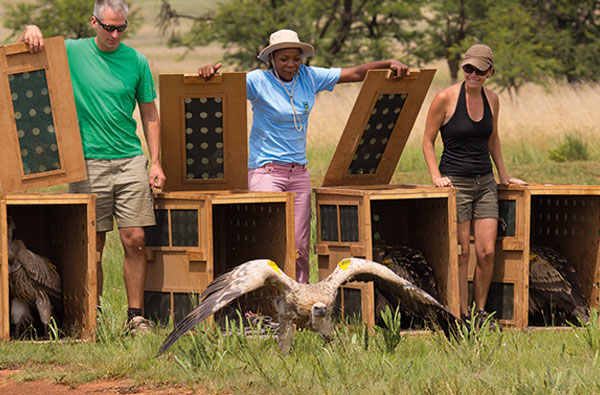 VulPro collects injured vultures from all over South Africa, undertaking ground breaking veterinary treatment and rehabilitation initiatives to give each vulture that comes into our care, a second chance and the best possible hope for survival and release.
 -
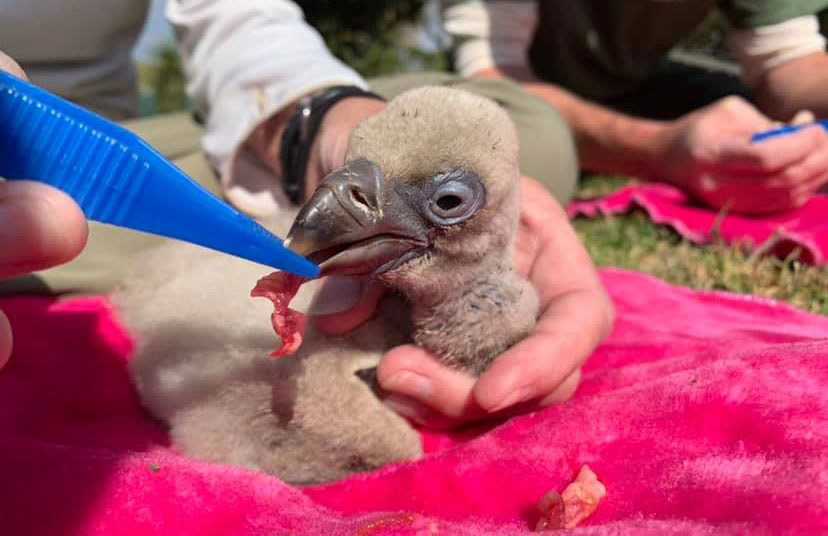 Non-releasable vultures to positively contribute to saving their wild counterparts by producing viable offspring which can and which are released into the wild to re-enforce dwindling populations
 -
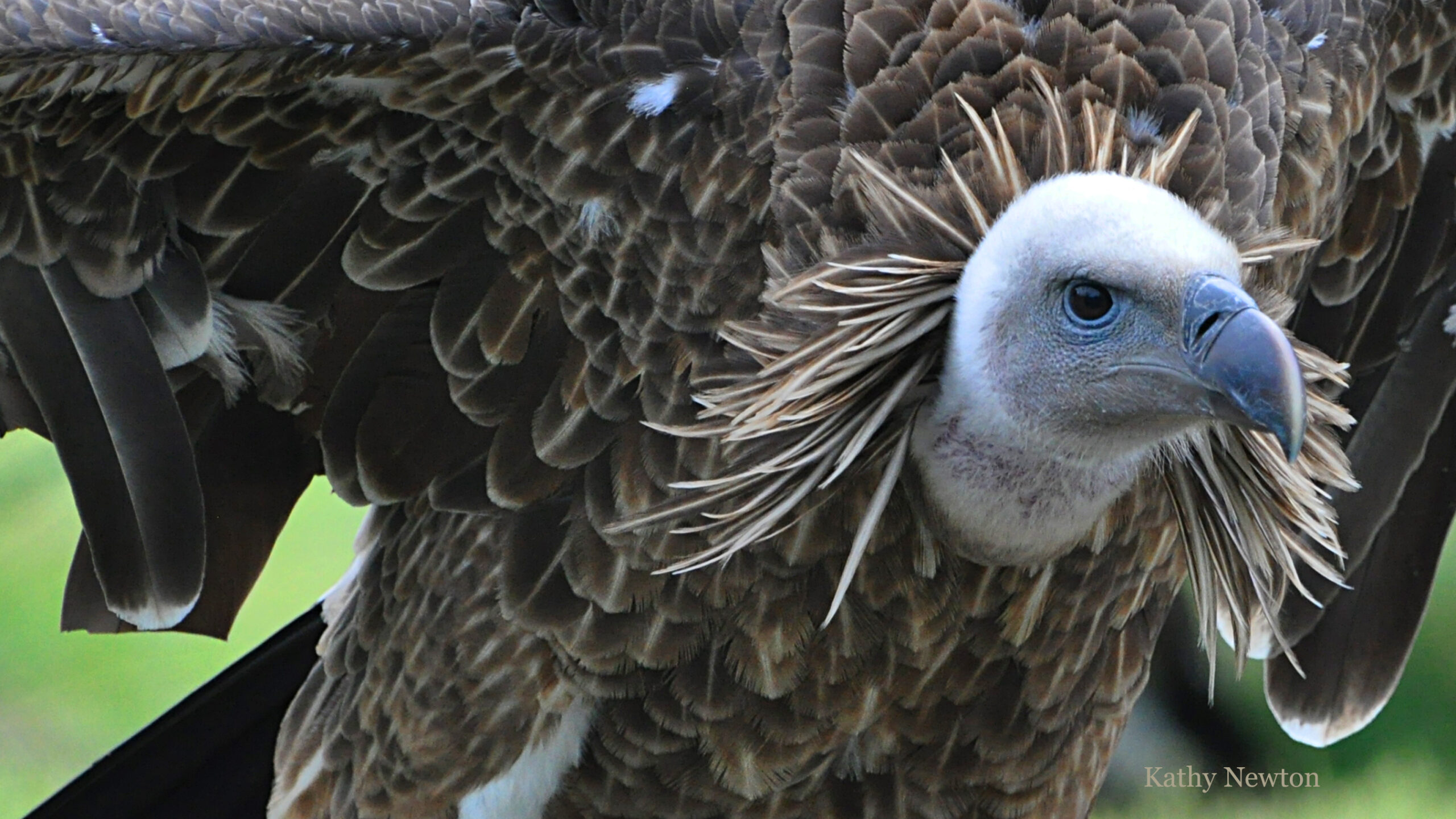
African Vultures
Vultures are an ecologically important species, as they clean dead carcasses and reduce the spread of disease. Yet they are severely threatened by human activities which have led to collisions with powerlines, decreased habitat, and death by poison as a result of human-carnive conflict. Some populations of African vultures have dropped by 90% over the last 30 years.
VulPro works to protect African vultures through rehabilitation of sick or injured vultures, research, education and communication with farmers, landowners, and communities, and an ex-situ breeding program in human care.
-
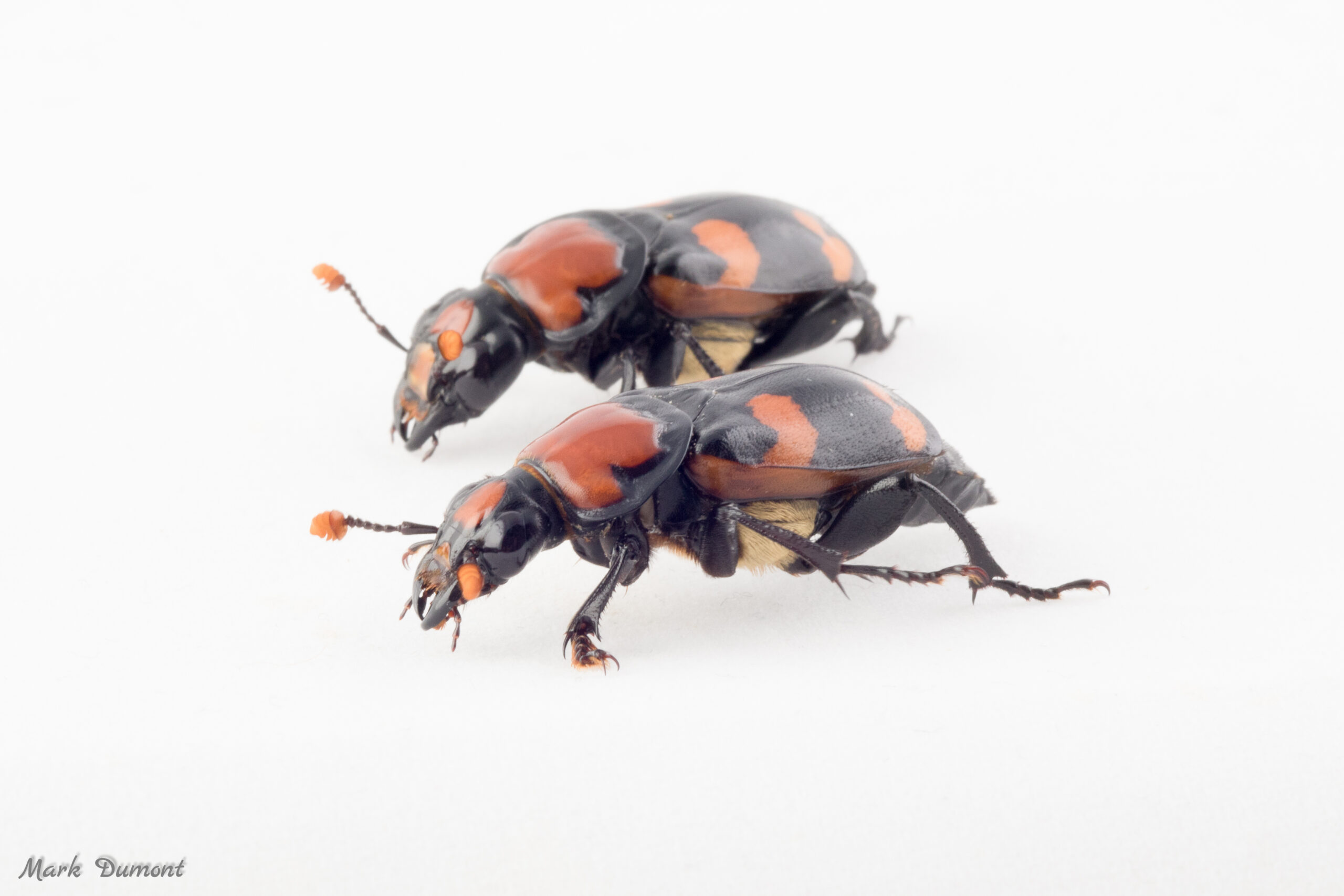
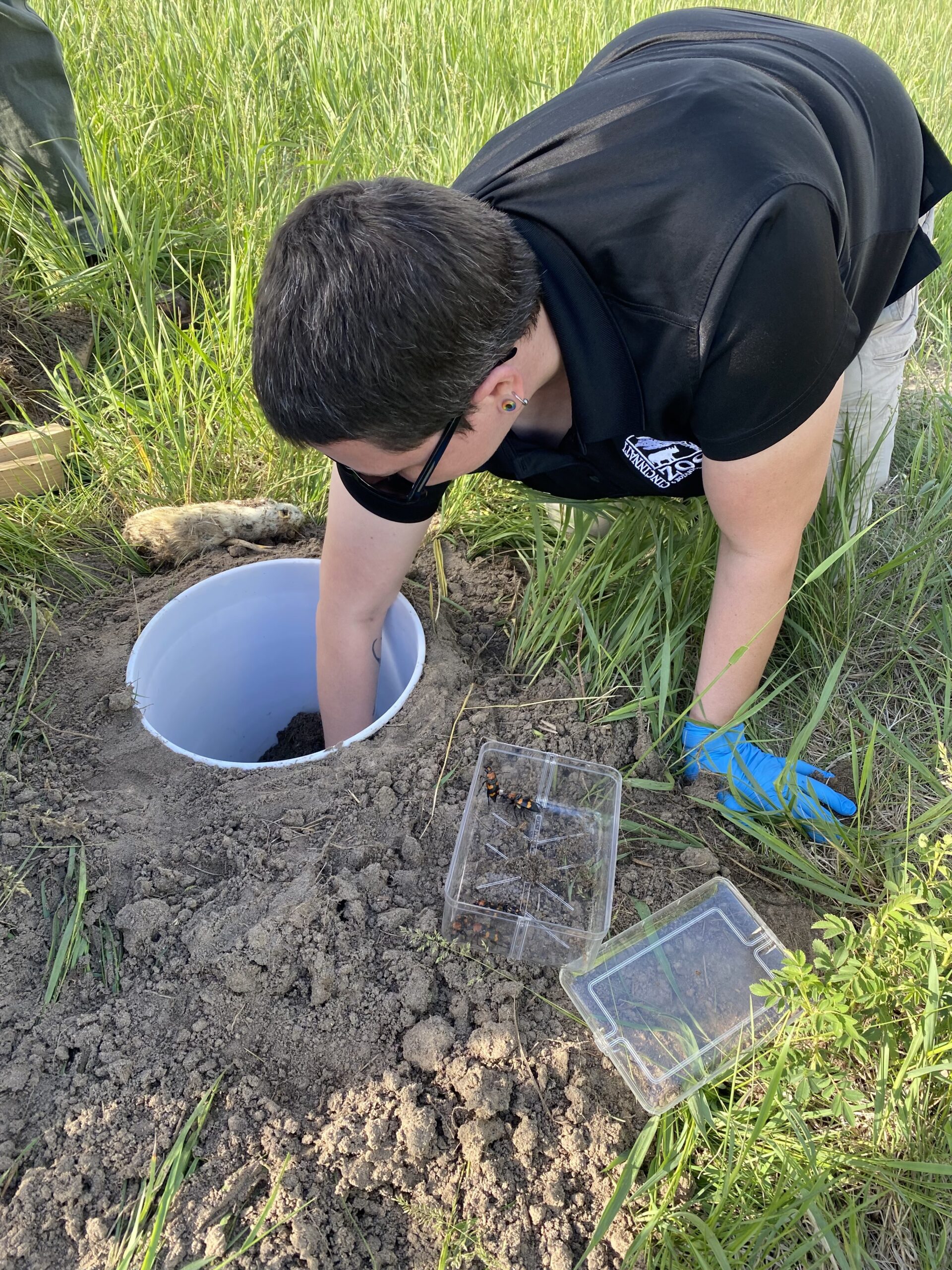
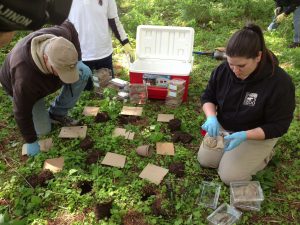
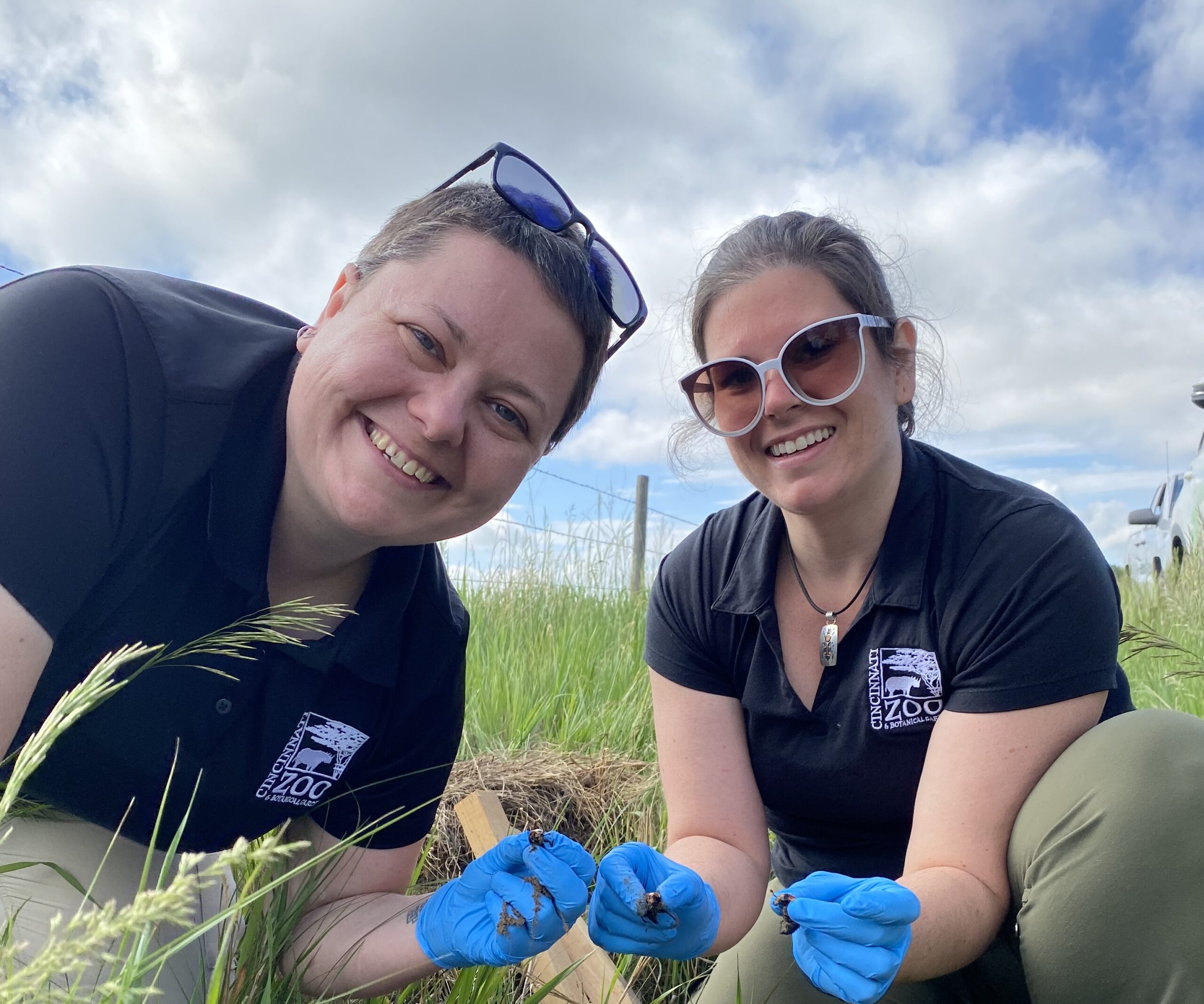 Cincinnati Zoo releasing American burying beetles
 -
-
 American Burying Beetle Release
American Burying Beetles
American Burying Beetles are vital decomposers in our local landscapes, yet they are state-endangered and federally threatened with extinction. Once found almost everywhere east of the Rocky Mountains their current range is limited to just a handful of counties in a few states. These beetles face a multitude of issues including habitat loss, habitat fragmentation, light pollution and even the extinction of the passenger pigeon (a once abundant food source). The Cincinnati Zoo’s World of the Insect Keepers work hard on ABB conservation by breeding beetles at the zoo and releasing them back into Ohio in conjunction with our partners at The Wilds.
Each summer, World of the Insect Keepers aid in the collection of a few individuals from a healthy population in Nebraska to bring them back to Ohio to add diversity to the population bred in our care. The founder beetles are bred at both the Cincinnati Zoo and The Wilds to produce a large release population for the following summer. Reintroductions have been held at The Fernald Preserve and the Wilds since 2013.
-
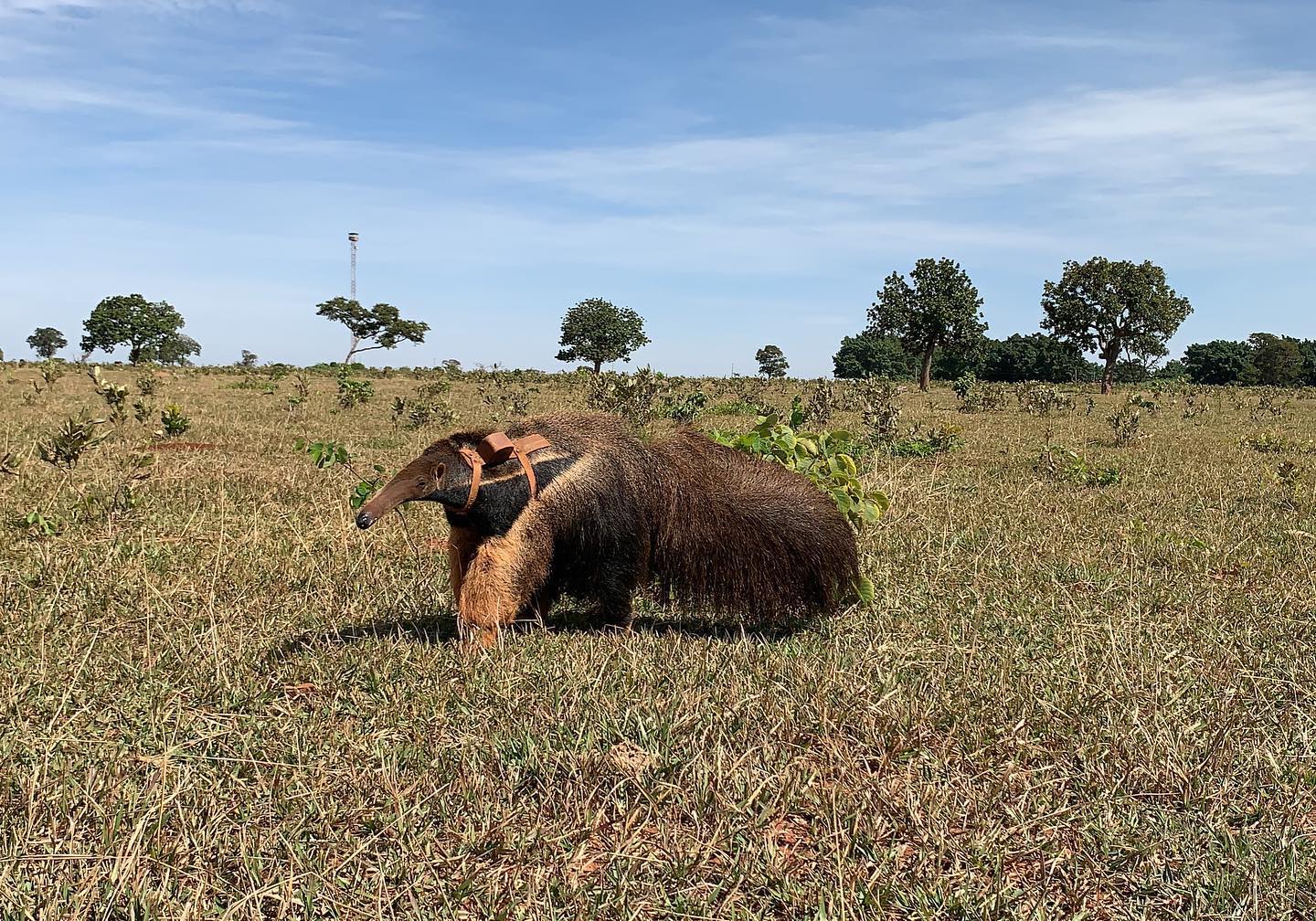
Research findings will be used to develop landscape and road management guidelines and mitigate the impact of road mortality on anteater populations in the Cerrado.
-
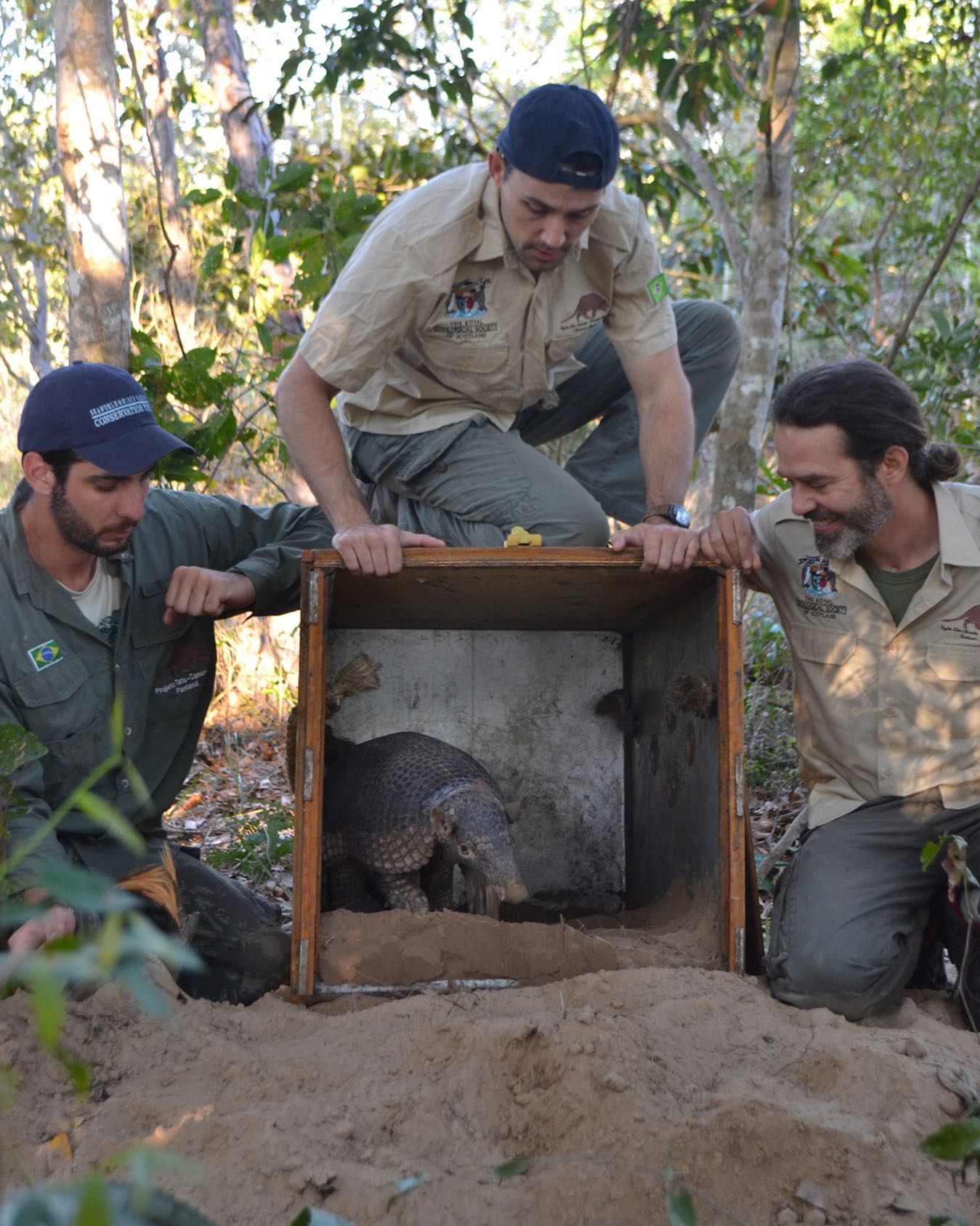 Although the giant armadillo is found in practically all of South America, little is known about it and what information there is is still very superficial. Due to the habit of living most of the time underground, and occurring in low population density, this species is rarely seen.
 -
Anteaters and Armadillos
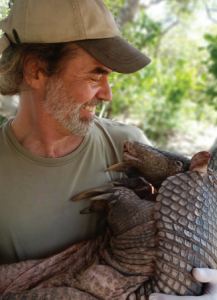
The Wild Animal Conservation Institute (ICAS) partners with the Cincinnati Zoo & Botanical Garden team to promote the conservation of elusive, large animals in South America. Giant anteaters and giant armadillos share their habitats with people, and ICAS works to engage community members to enable the survival and coexistence with these species and many smaller ones throughout the landscapes.
ICAS Brazil is a nonprofit located in Campo Grande, Brazil. It works throughout three main regions in Brazil – Pantanal, Cerrado, and Mata Atlantica. Their projects are focused on two main species, the giant anteater and the giant armadillo, and range from natural history research, to road development research, to creating an app to utilize community science to decrease road collisions.
Projects by this partner focus on how to mitigate the effects of habitat fragmentation as a result of development/road creation and human-wildlife conflict materialized as road collisions. Community science-based approaches are being used to bring the community into the initiatives and expand the data collection potential past the research teams.
-
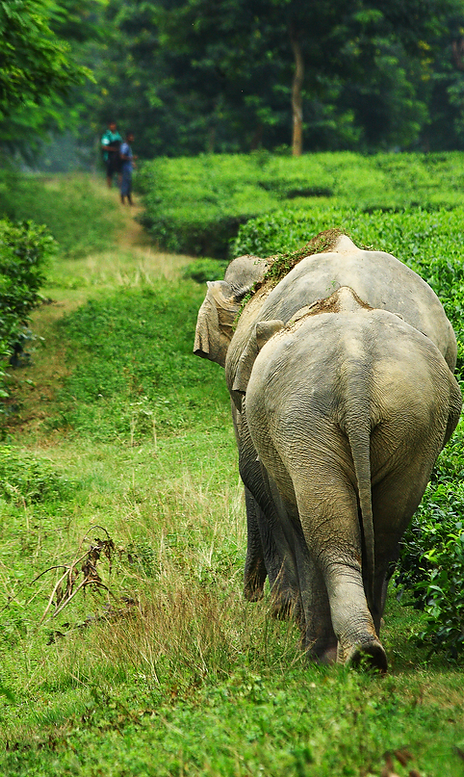 CI works on fostering human-elephant coexistence in the Kaziranga–Karbi Anglong landscape of Assam.
 -
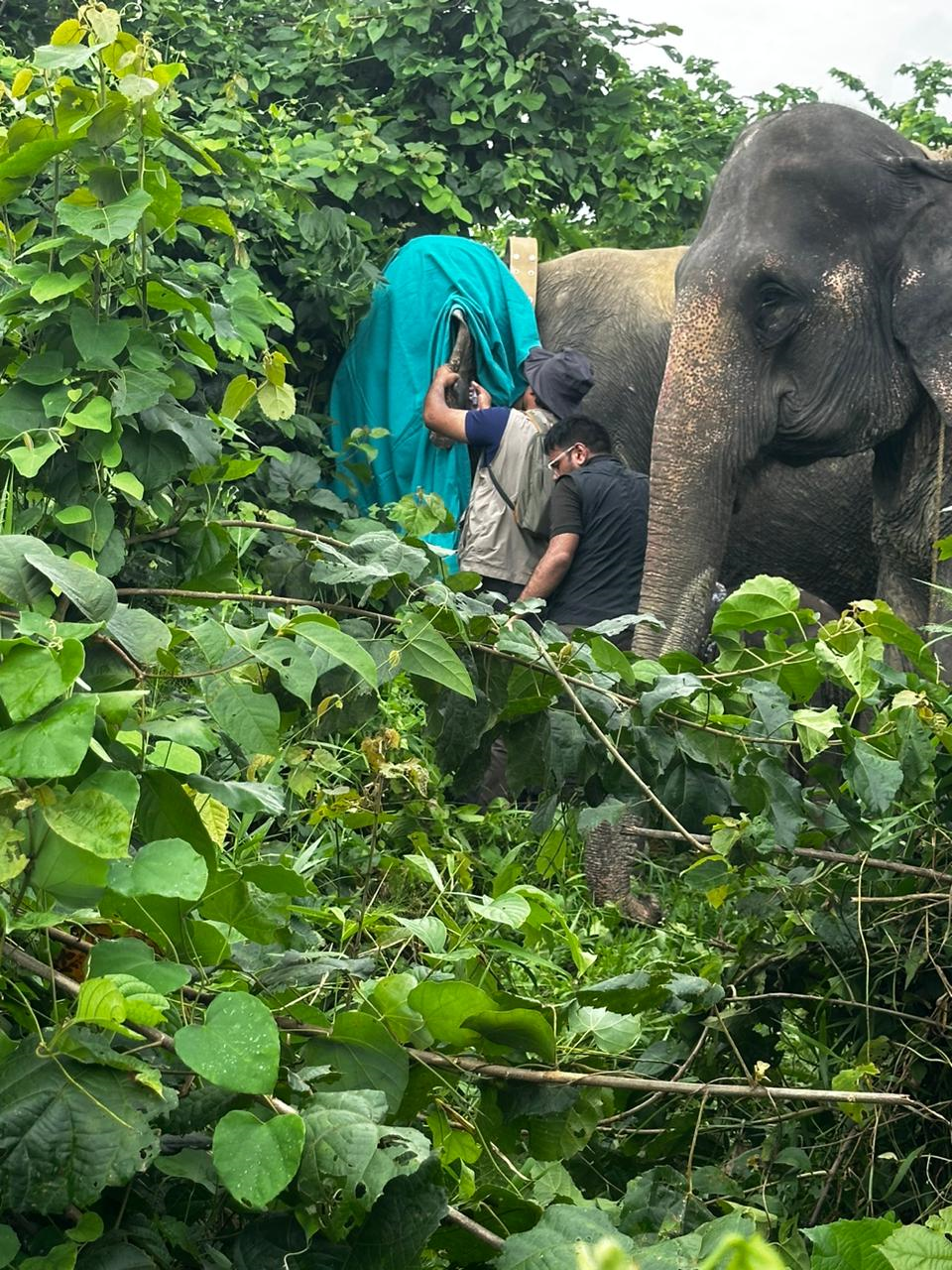 ANCF is involved in radio-collaring elephants to track their movements and inform conflict response.
 -
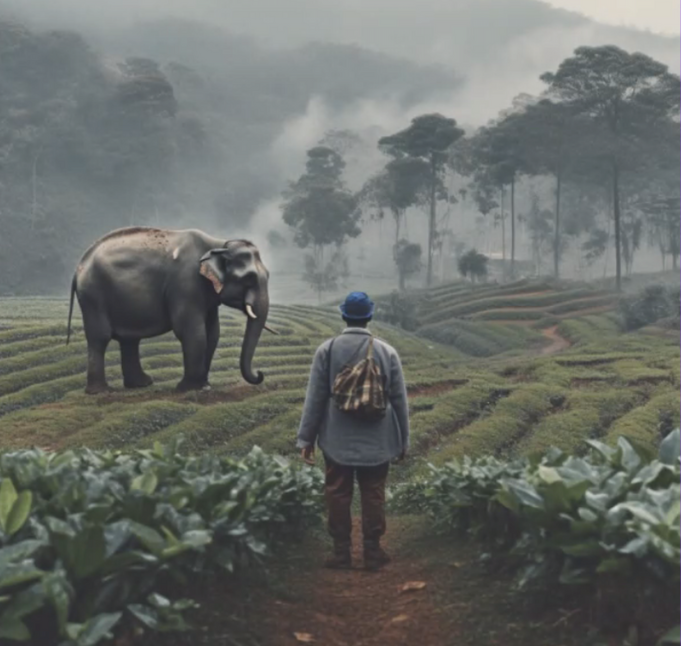 Cincinnati Zoo is working with CI and video game developers to mitigate conflict between teens and elephants.
Asian Elephants
Asian elephants and humans have coevolved and coexisted for centuries, sharing space in forested and grassland habitats spanning the continent and surrounding islands. While Asian elephants are cultural icons and ecological keystone species, living alongside these magnificent animals comes with its challenges. As elephants move through habitats with their families and forage for food, they often wander into human settlements and can damage property and agricultural fields along the way, and sometimes these interactions lead to negative impacts for both human and elephant lives.
Thankfully, the Cincinnati Zoo & Botanical Garden is working with many communities and organizations to innovate solutions that support both, so people and elephants can continue their dynamic relationship living side-by-side.
The Zoo is also playing a leadership role in developing and implementing the AZA SAFE Asian Elephant program. This project is a conservation initiative between associated AZA facilities and partner organizations to ensure the Asian elephant’s survival as a species.
A significant amount of funding for the projects we support, including EEHV research, comes from behind-the-scenes elephant tours.
-
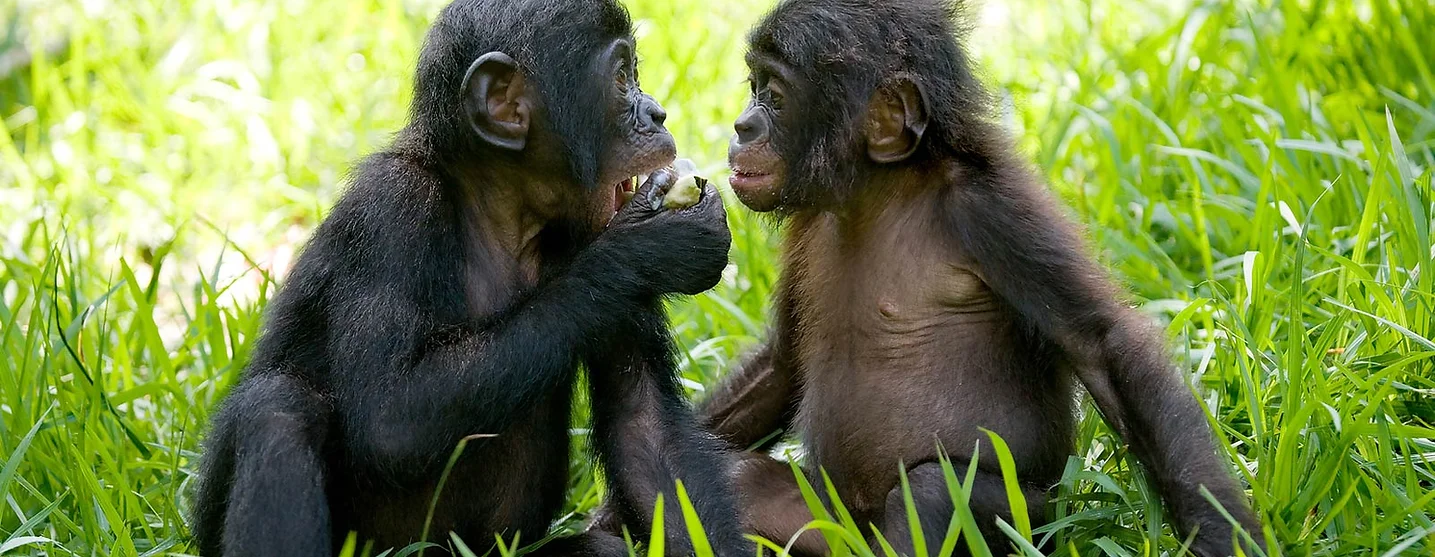
FOB works to rescue bonobos, particularly those orphaned by illegal hunting, and also supports Congolese communities by promoting better futures through conservation rather than the bushmeat trade.
-
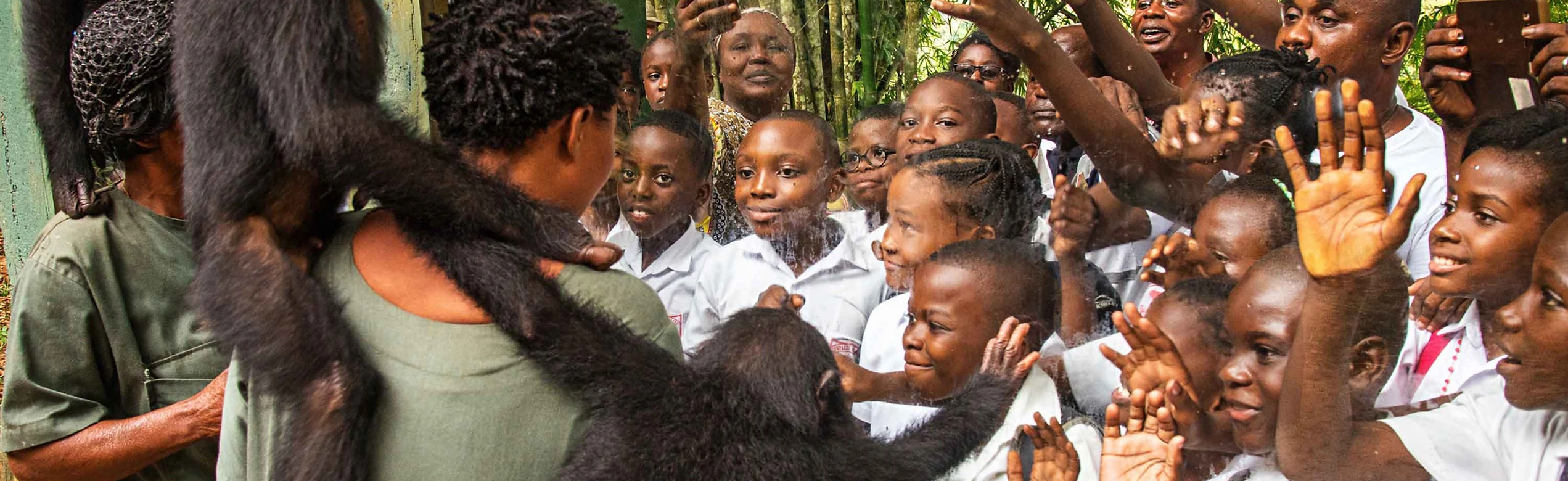 Community engagement helps protect bonobos as well as the rainforest and other species that rely on it.
Bonobos
Cincinnati Zoo financially supports Friends of Bonobos with their Lola ya Bonobo Sanctuary to engage communities to support the conservation of this exceptional ape species. FOB works to rescue bonobos, particularly those orphaned by illegal hunting, and engage Congolese communities by promoting better futures through conservation rather than the bushmeat trade. This community engagement helps protect bonobos as well as the rainforest and other species that rely on it.
Bonobos are victims of the illegal bushmeat trade, orphaned baby bonobos are then sold as pets. Their natural habitats are also threatened due to agriculture and logging. Sustainable resource use and conservation efforts are necessary to protect the species and their habitat, as well as communities in the Congo.
-
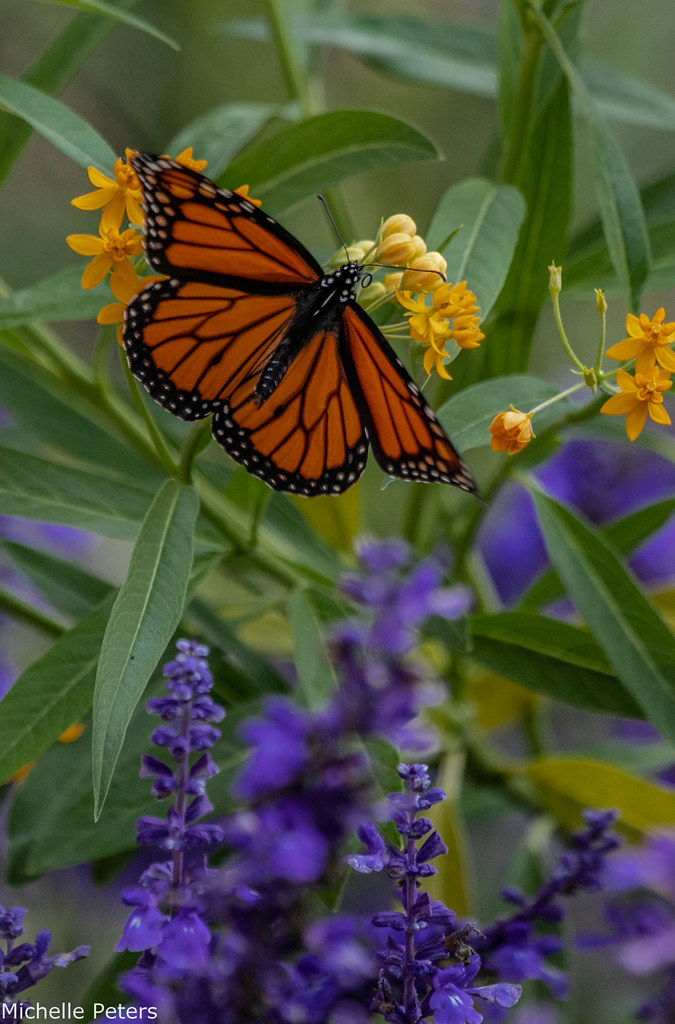 The Xerces Society, government agencies, partner organizations, and communities are working across the U.S. to protect and restore habitat for monarch butterflies across a broad array of landscapes, provide workshops and educational resources on monarch conservation, and conduct research
 -
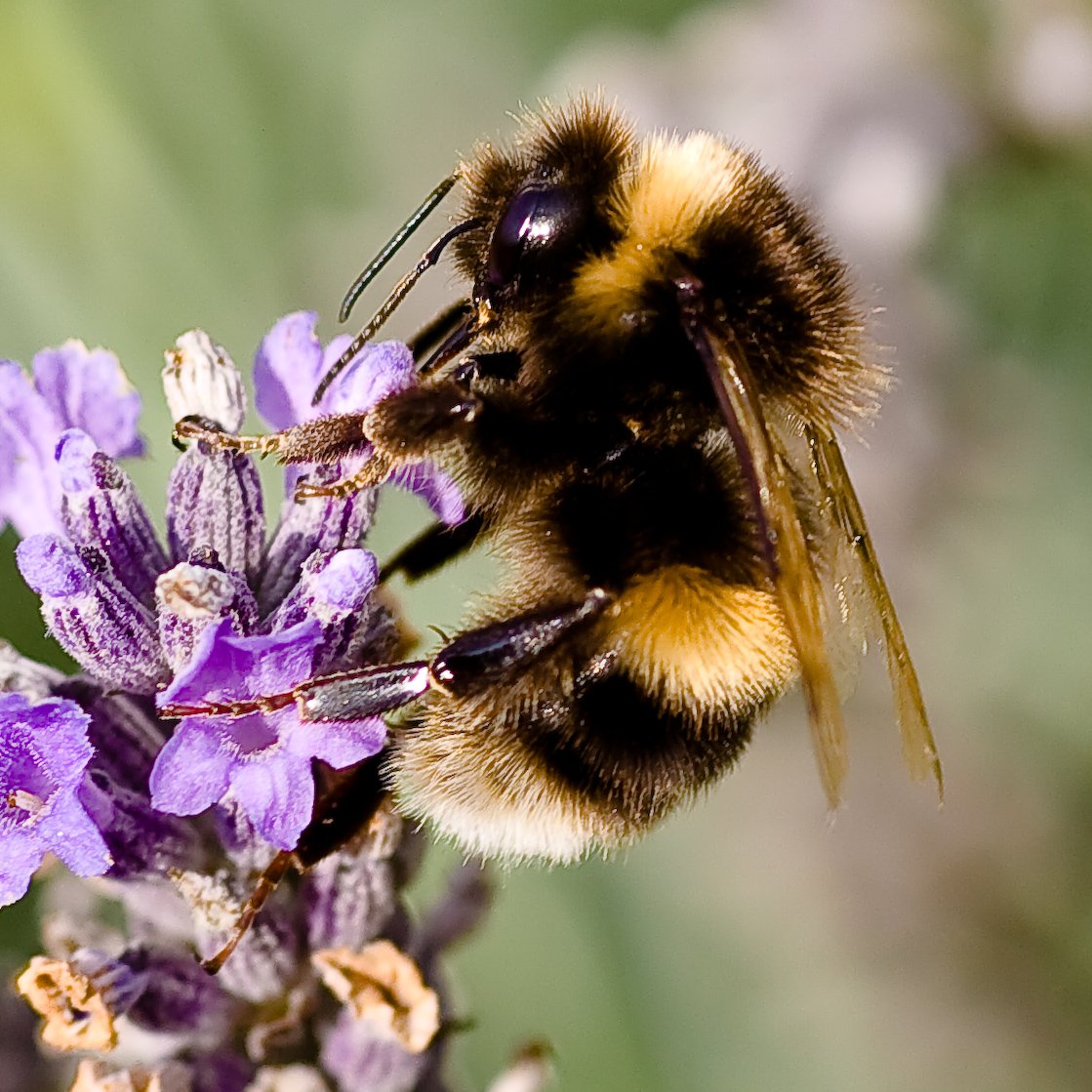 An analysis led by the Xerces Society, and coordinated with the IUCN North American Bumble Bee Specialist Group, indicates that more than one-quarter of North American bumble bees are facing some degree of extinction risk
Butterflies, Bees, and other Bugs
The Cincinnati Zoo & Botanical Garden is committed to insect and invertebrate conservation. From pollinators in our gardens that we depend on to facilitate growing food, to protecting the migratory phenomenon of monarch butterflies across North America, insects urgently need our help to create healthy habitats, which are a big benefit for people, too.
The Cincinnati Zoo team helps to lead the AZA SAFE North American Monarch program, a collaboration between over 120 AZA facilities associated with North American Monarchs to coordinate efforts for protection and awareness of this species. North American Monarchs, which were recently classified as an endangered species, have experienced severe population declines since the 1980s.
Additionally, we work with Monarch Joint Venture and the Xerces Society for Invertebrate Conservation who work internationally to protect invertebrates and their habitats using data-driven decisions. Programs include focus on pollinators, endangered species, and decreasing pesticide use.
Proceeds from the insect and sustainability behind-the-scenes tours support the Xerces Society’s conservation efforts.
-
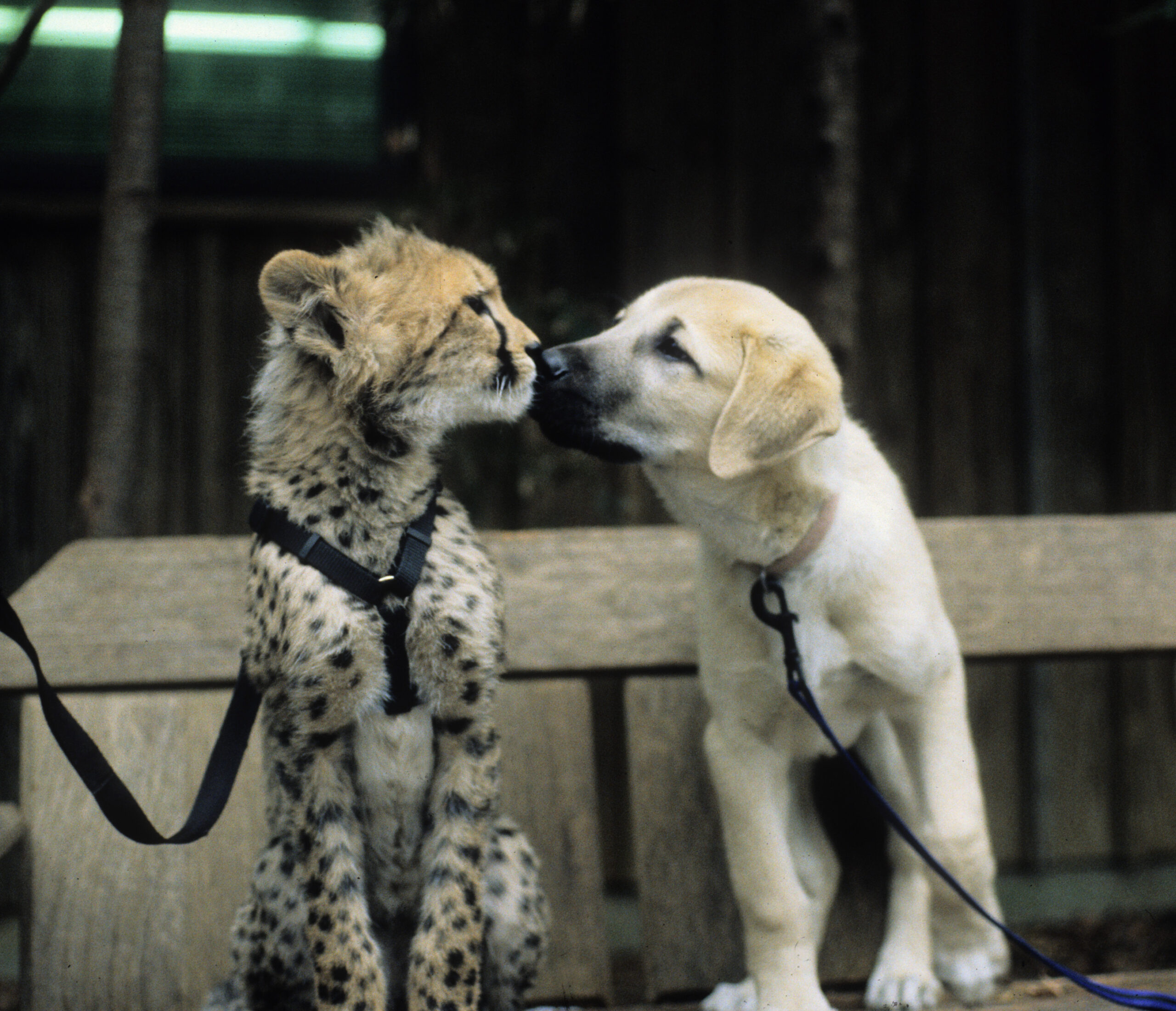 Cheetah Outreach also breeds Anatolian shepherd dogs and places them on South African farms to guard livestock in an effort to reduce conflict between farmers and predators.
 -
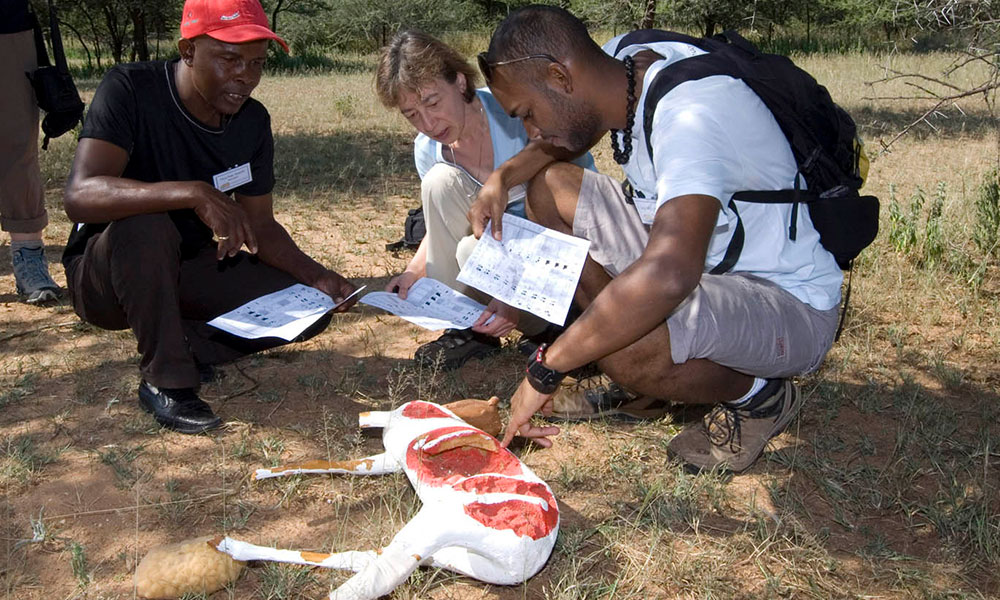 Kill-ID helps identify the predator responsible for predation on livestock
 -
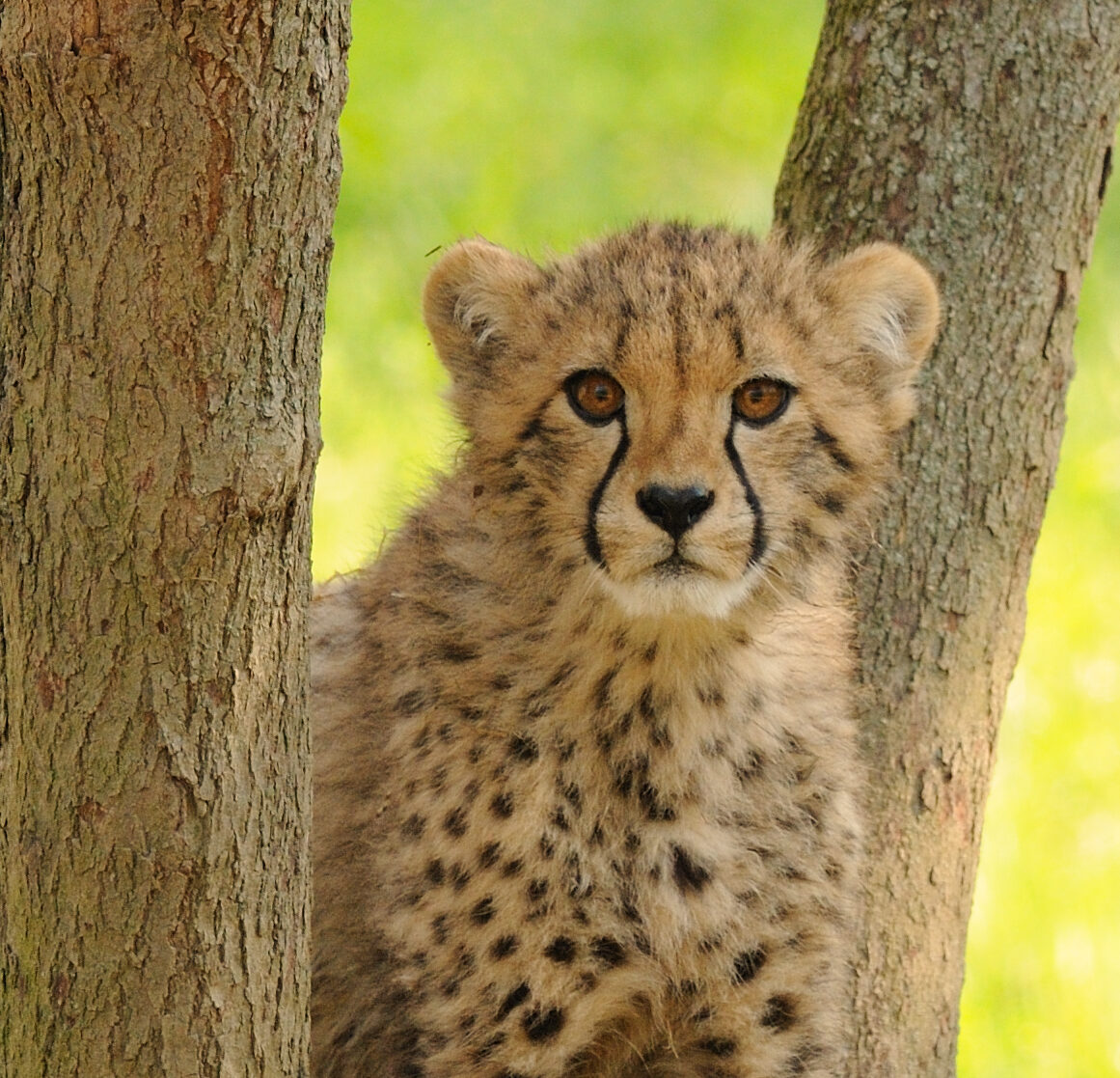 A large threat to Cheetahs in their native habitat is human-wildlife conflict. Projects like this promote farmer-predator coexistence and thus help protect the free-roaming cheetah.
Cheetahs
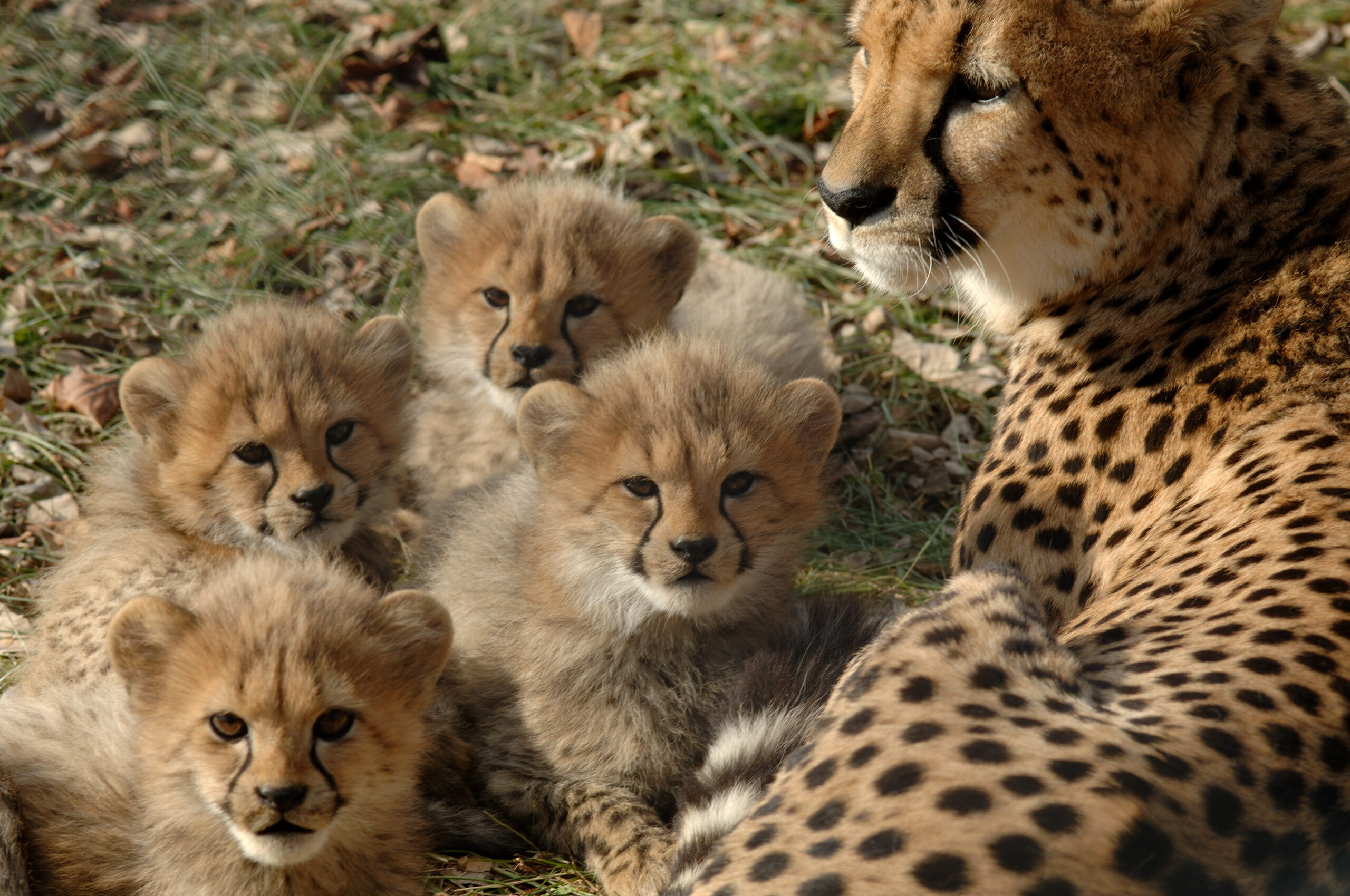
The Cincinnati Zoo & Botanical Garden and the Angel Fund has been conserving the world’s fastest animal for decades. We work with partners across Africa to support cheetah conservation efforts to ensure this wide-ranging species thrives into the future.
A severe threat to cheetahs is human-wildlife conflict. Incidents of livestock losses to carnivores are often blamed on cheetahs seen during the day, while other nocturnal carnivores may have also been a culprit; consequently, farmers can retaliate against cheetahs or put up fences that restrict their movement and access to wild prey. We support projects to promote farmer-predator coexistence and thus help protect the free-roaming cheetah, including Cheetah Outreach in South Africa, Cheetah Conservation Fund (CCF) in Namibia, Cheetah Conservation Botswana in Botswana, Lion Landscapes in Tanzania, Kenya, and Zambia, and more.
The cheetah conservation projects supported by Cincinnati Zoo include activities to protect cheetahs, aid communities in responsibly managing wildlife and livestock, promote sustainable livelihood development in communities that coexist with cheetahs, facilitate community education programs, and conduct research to monitor the impacts of these initiatives on cheetah populations. These projects protect cheetahs and the many species who also depend on these open landscapes.
Project highlight: Cheetah Outreach in South Africa
Cheetah Outreach works for the coexistence of free-roaming cheetah in South Africa living in farmland areas. It has a community-based education program that conducts school presentations with ambassador cheetahs as well as teacher workshops. Cheetah Outreach also breeds Anatolian shepherd dogs and places them on South African farms to guard livestock, with remarkable results reducing conflict between farmers and predators.
-
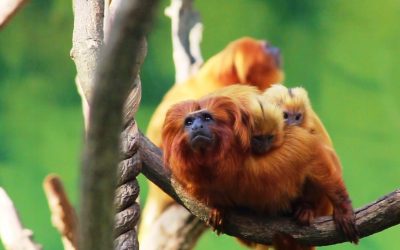 Research and monitor GLTs in their native habitat to better understand their needs and recognize potential threats.
 -
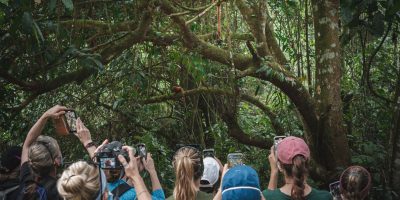 Work alongside local communities to raise awareness, educate, and support the restoration and protection of their forest.
Golden Lion Tamarins
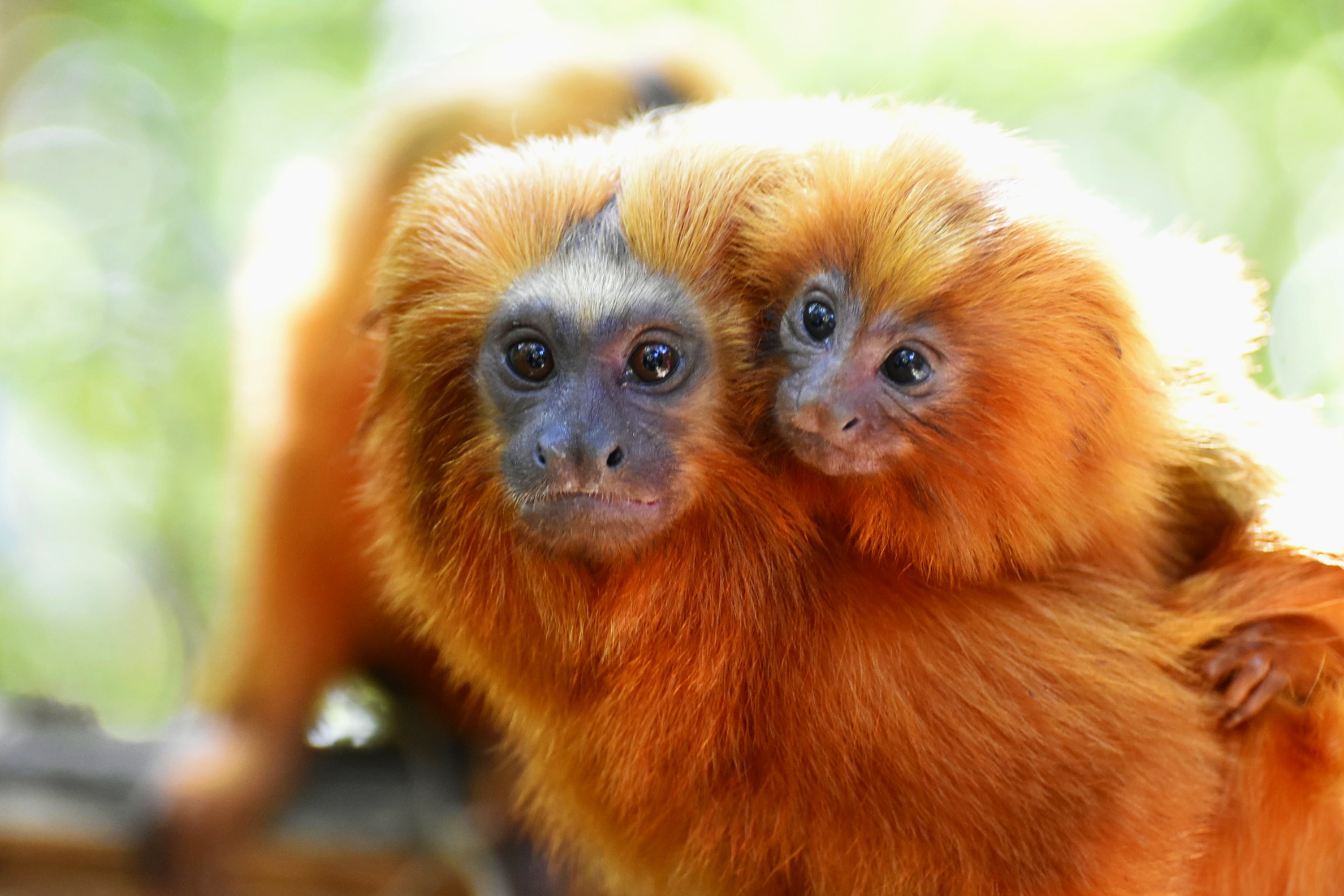
Golden Lion Tamarins are one of the most threatened primate species in the world. Deforestation and fragmentation have reduced their habitat to 2% of its original size.
The Cincinnati Zoo supports tamarin conservation in partnership with SGLT and AMLD who work with Brazilian farmers and communities to enable their movement between forest fragments. These organizations are responsible for coordinating all efforts to save GLTs in their native forest and protect the benefits that the forest provides to local people. AMLD works on the ground in Rio de Janeiro to monitor the golden lion tamarin populations, the health and connectivity of their forest patches, advocate for restoration of the Atlantic Forest, plant forest corridors, and engage local people in protecting their forest.
-
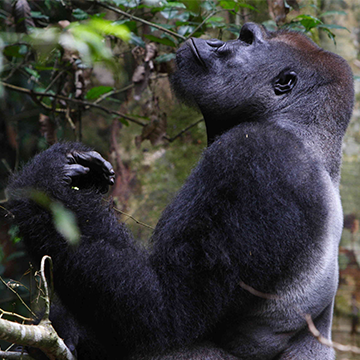 Mbeli Bai observations, including the first documentation of tool use by wild gorillas, provide valuable information.
 -
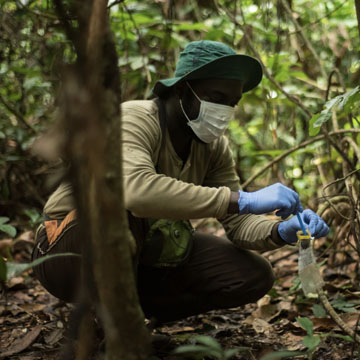 Researcher collects gorilla dung
Gorillas
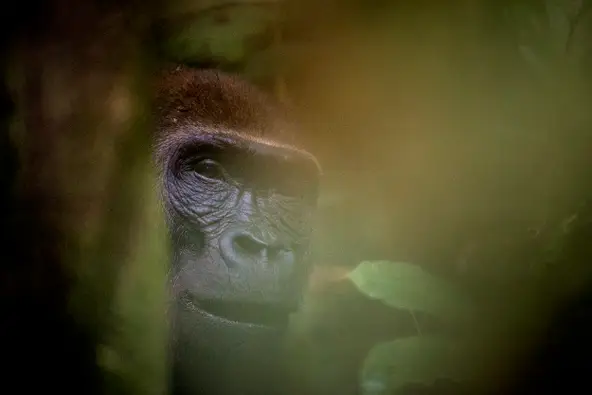
For over 15 years, the Cincinnati Zoo has supported efforts to protect gorillas and their wild habitat through research, education, and eco-tourism conducted by the Nouabalé-Ndoki Project in the Republic of Congo. Efforts include:
- Mbeli Bai – the longest-running study (since 1995) of wild western lowland gorillas. Researchers record gorilla behavior at a swampy clearing in the forest called Mbeli Bai. Their observations, including the first documentation of tool use by wild gorillas, provide valuable information.
- Mondika Resource Centre – Family groups of gorillas that have been habituated to accept the presence of humans are observed on a daily basis at Mondika Resource Centre. The ability to view gorillas up close also enhances eco-tourism.
- Club Ebobo (which means “gorilla” in the local language) is an education program that teaches about the critical role that gorillas play in the rainforest.
Additionally, the Cincinnati Zoo Conservation Impact Team are partnering directly with the gorilla conservation team in the Congo to design community health initiatives and radio stories to promote both human and ape health.
-
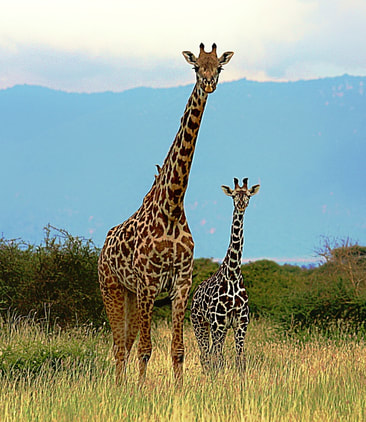
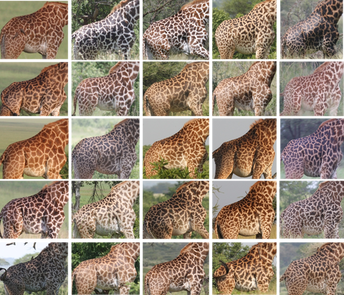 Our giraffe research is urgently needed so we can provide effective conservation actions in an ever more fragmented world, and ensure the future of wild giraffes and all creatures of the savanna.
 -
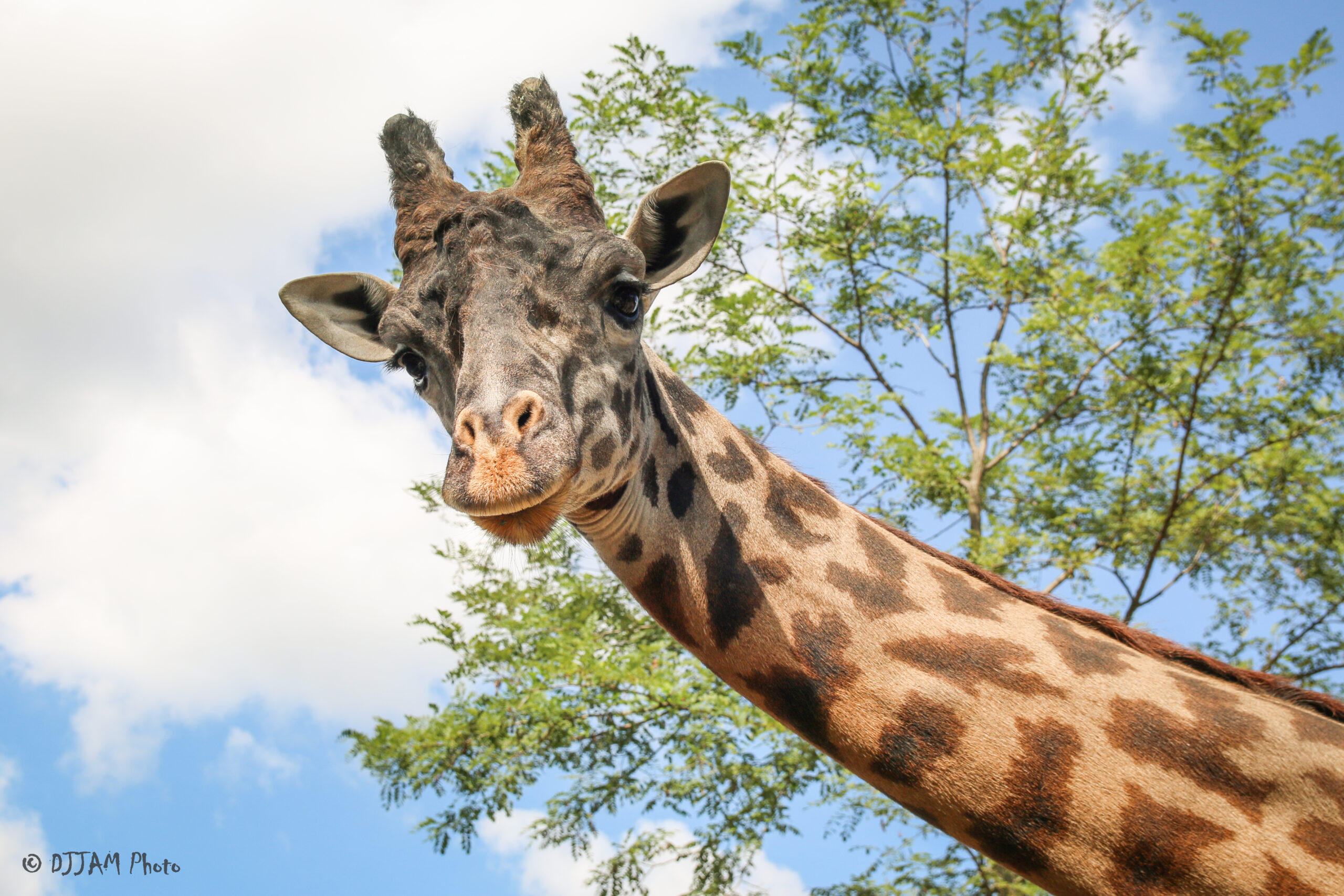
Giraffes
Wild Nature Institute works in Tanzania and focuses on giraffe as their flagship species working on scientific studies to understand more about this understudied species, educational programming to inspire pride in this species, and inspires action for global communities to get involved in community science and awareness raising.
-
-
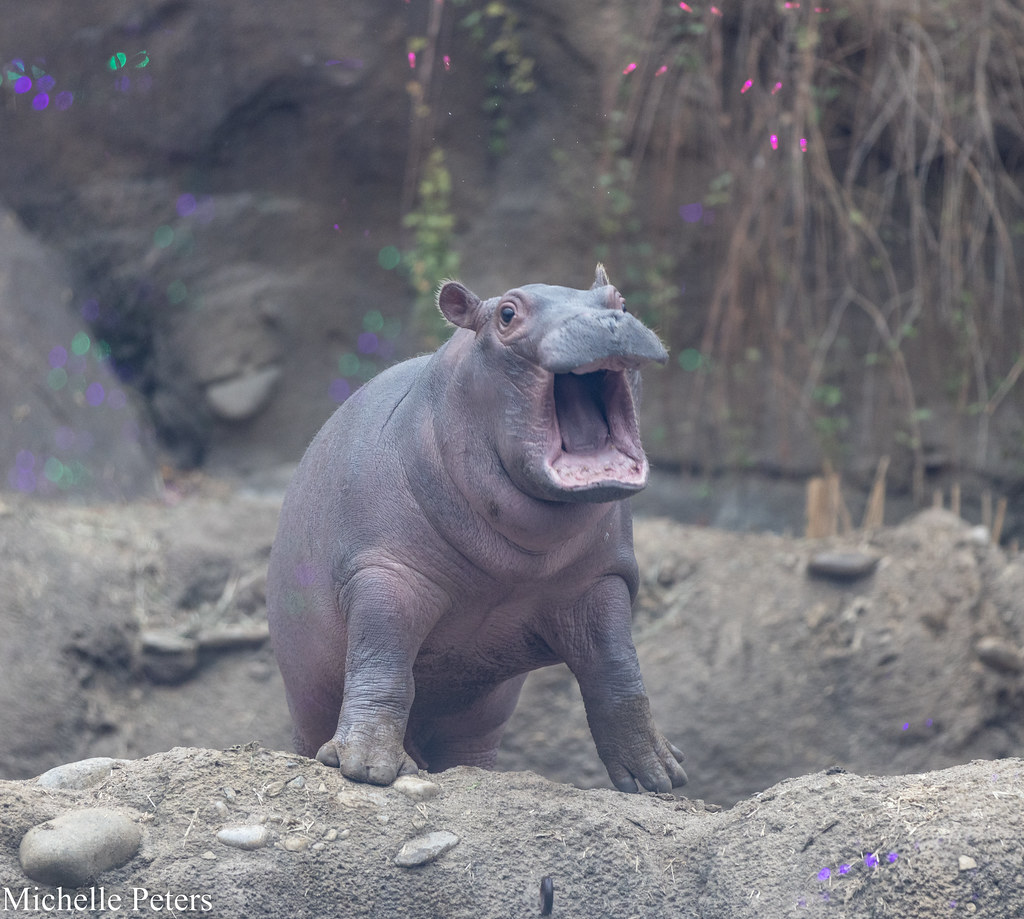
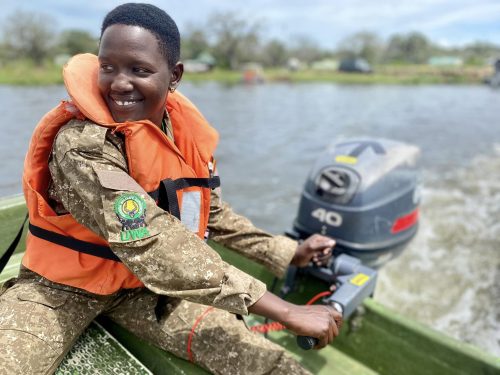 Ranger patrolling to protect hippos from poachers.
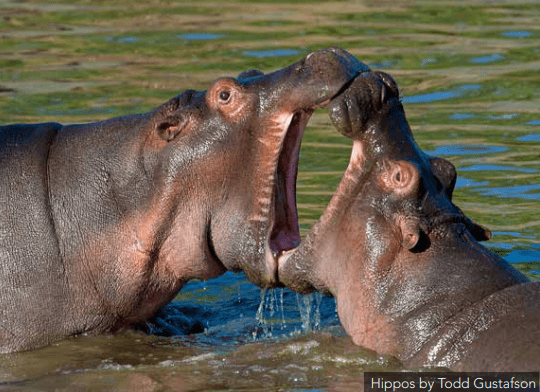
Hippos
Our world-famous hippo bloat works hard to help their cousins in the wild. The Cincinnati Zoo & Botanical Garden support hippo conservation efforts by partnering with the Uganda Conservation Foundation who combats hippo poaching and illegal fishing that destroys hippos’ habitats. Proceeds from the “Hanging with the Hippos” behind-the-scenes tours support UCF, including purchasing a new boat for the rangers to patrol and better protect hippos.
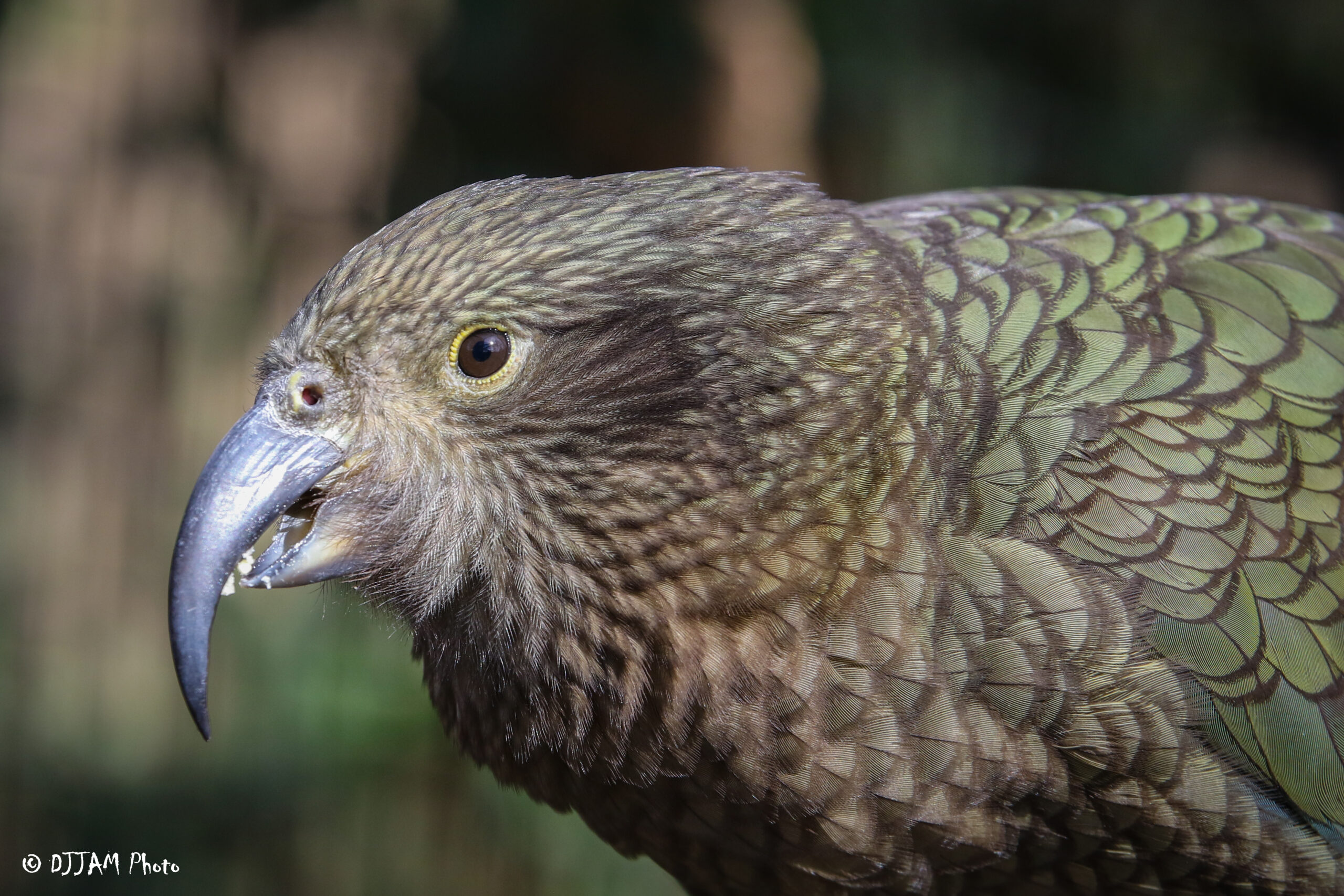
Kea
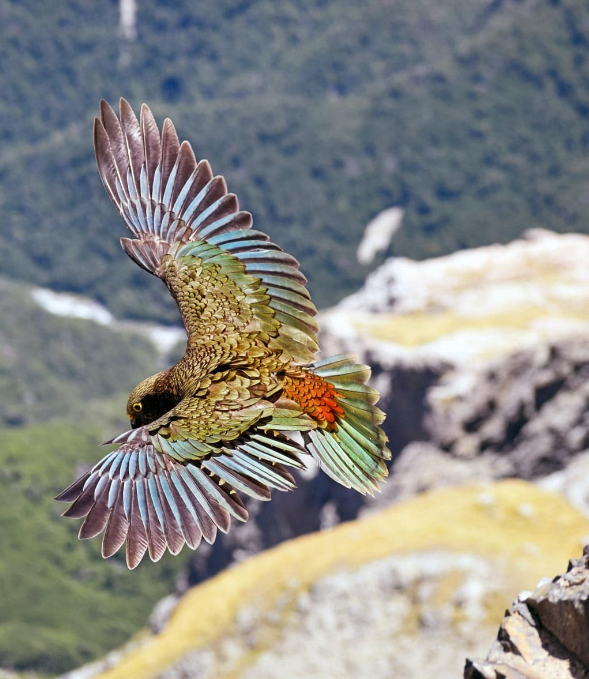
The Cincinnati Zoo & Botanical Garden Conservation Impact team is committed to reducing human and wildlife conflict and promoting positive coexistence, including with unexpectedly incorrigible birds.
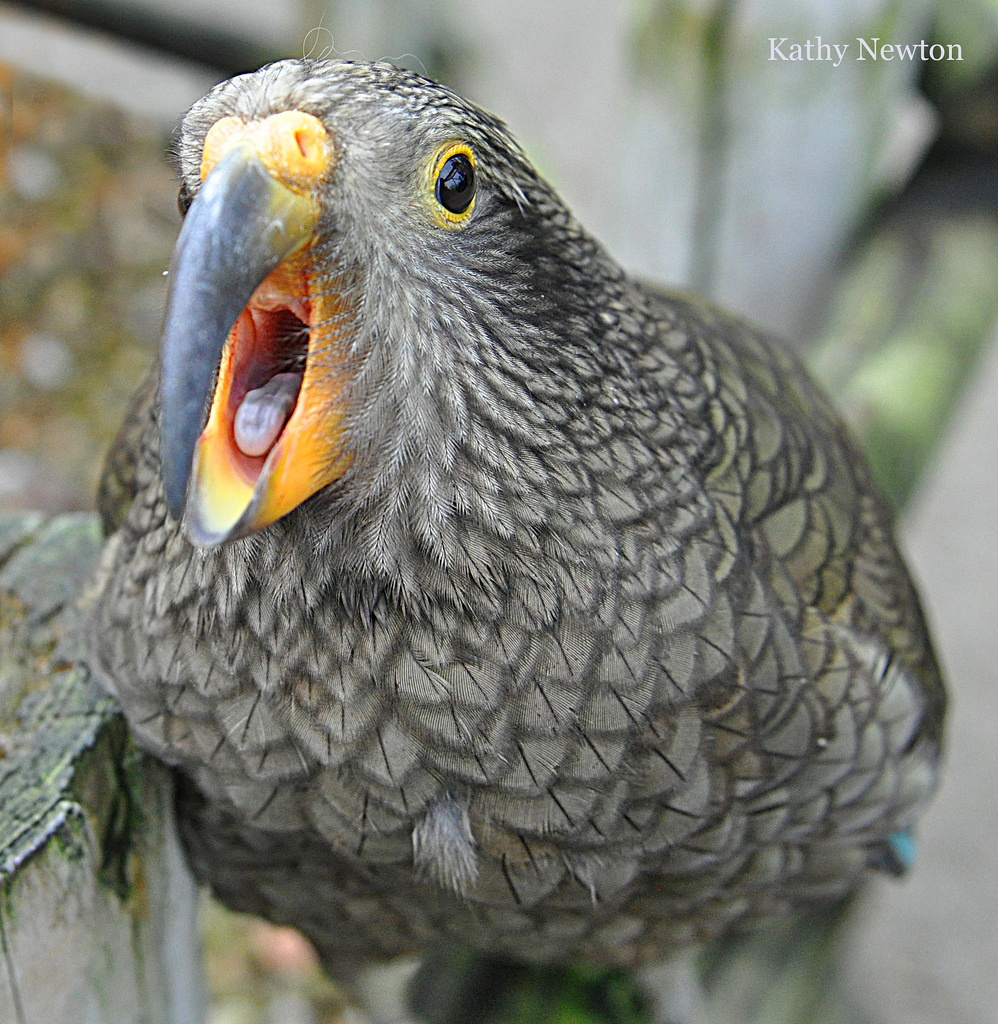
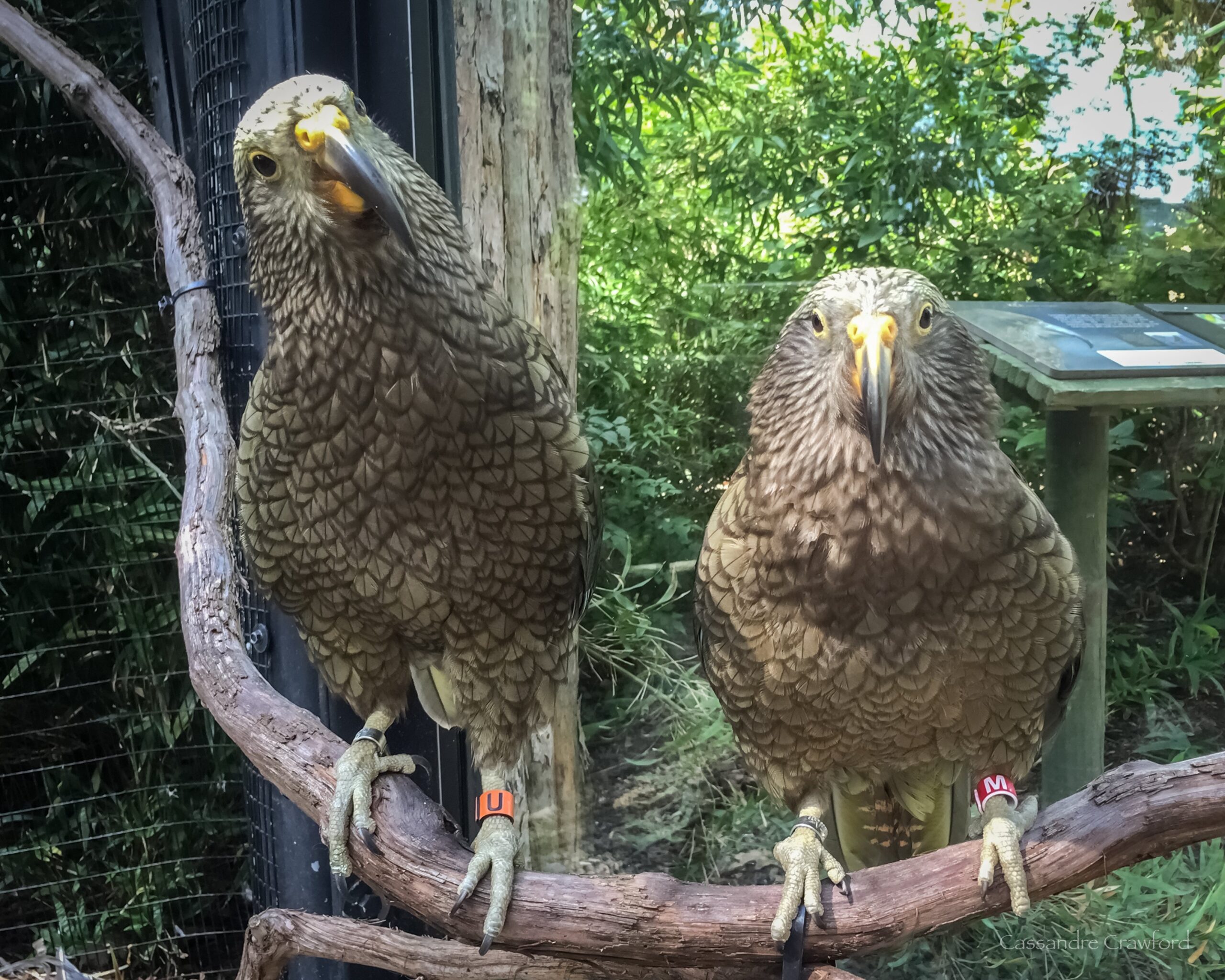
Kea are endemic to New Zealand and can be an exasperating species to coexist with. These highly intelligent and curious birds come into conflicts with humans most often through removing car windshield wipers, chewing on weather stripping, and tearing through human garbage cans. The Kea Conservation Trust has developed and initiated a community-focused conflict response and resolution program. They are on call to respond to kea-related issues found in high country sheep farmers, schools, logging areas and ski resorts with knowledge and patience. In this way, they inspire communities to protect and preserve this endangered New Zealand treasure.
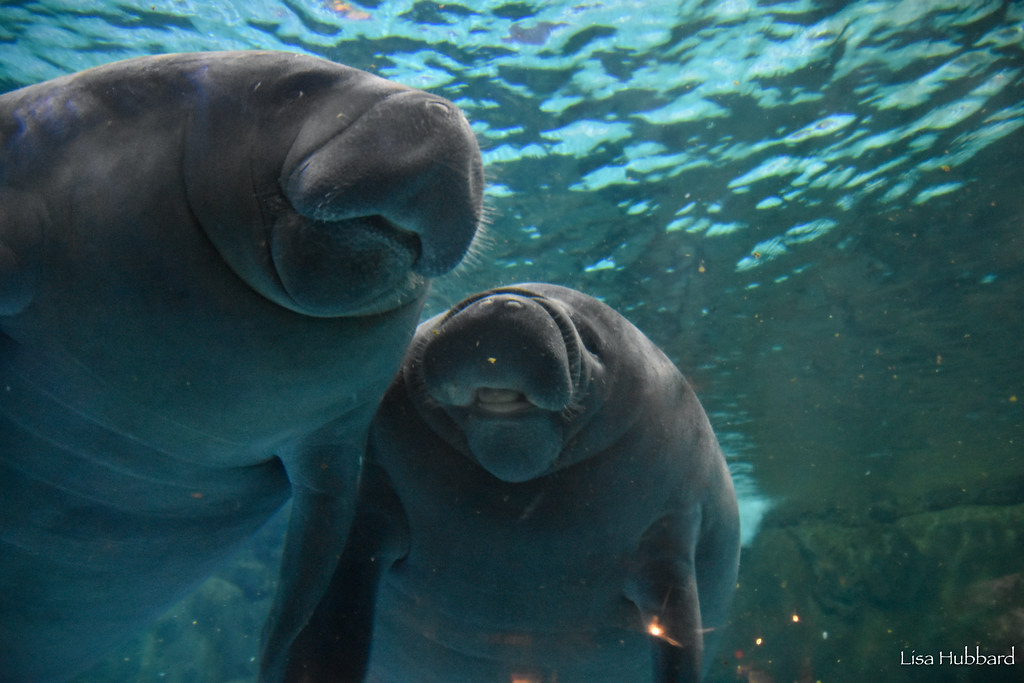
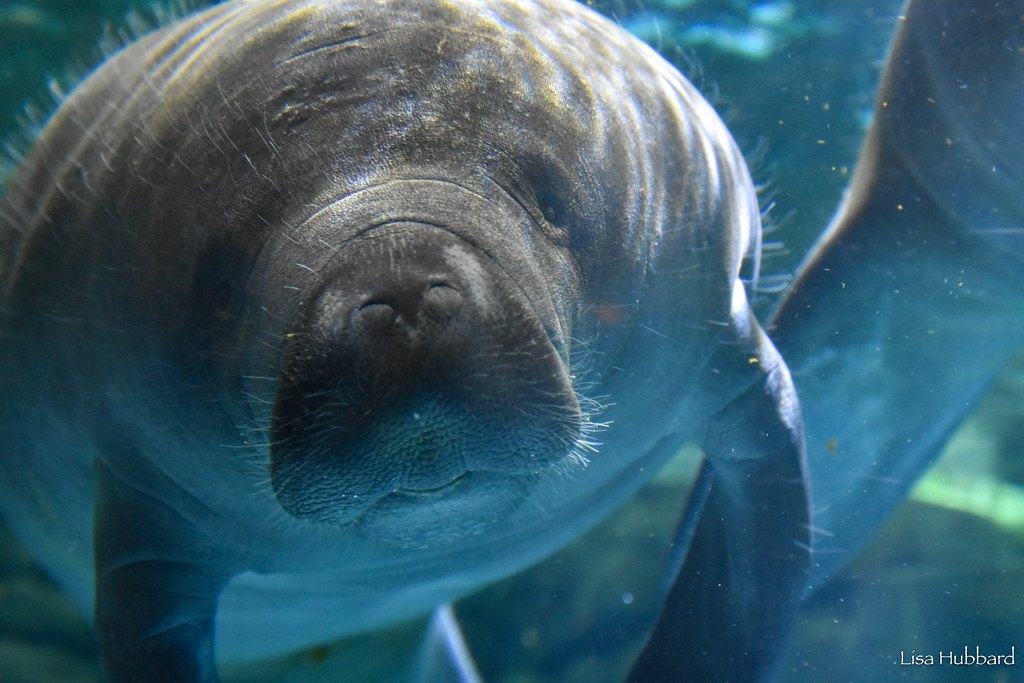
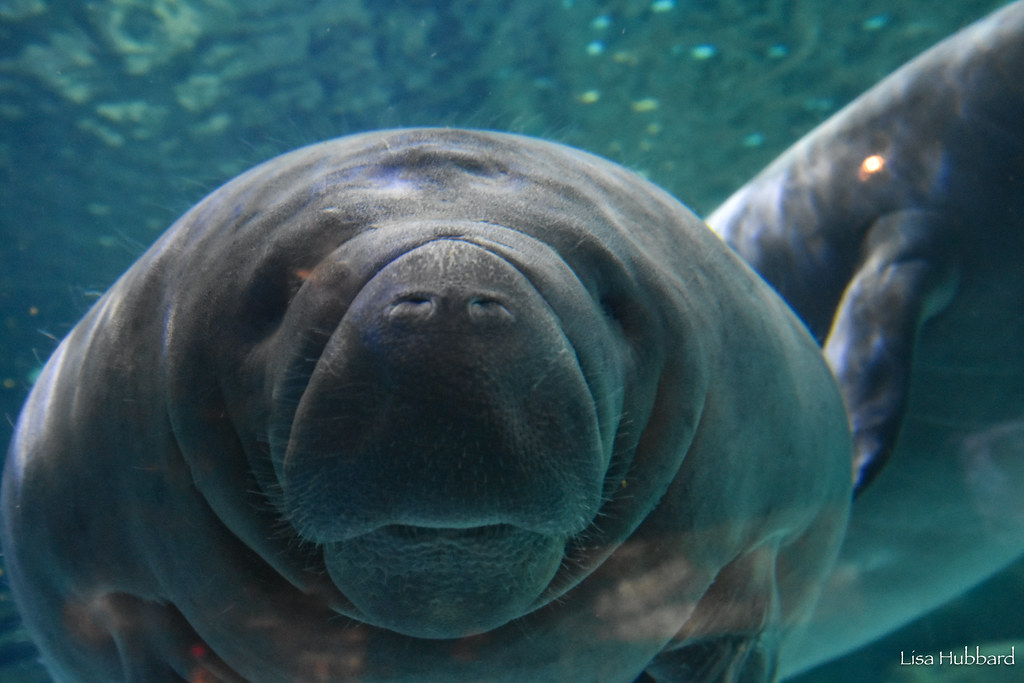
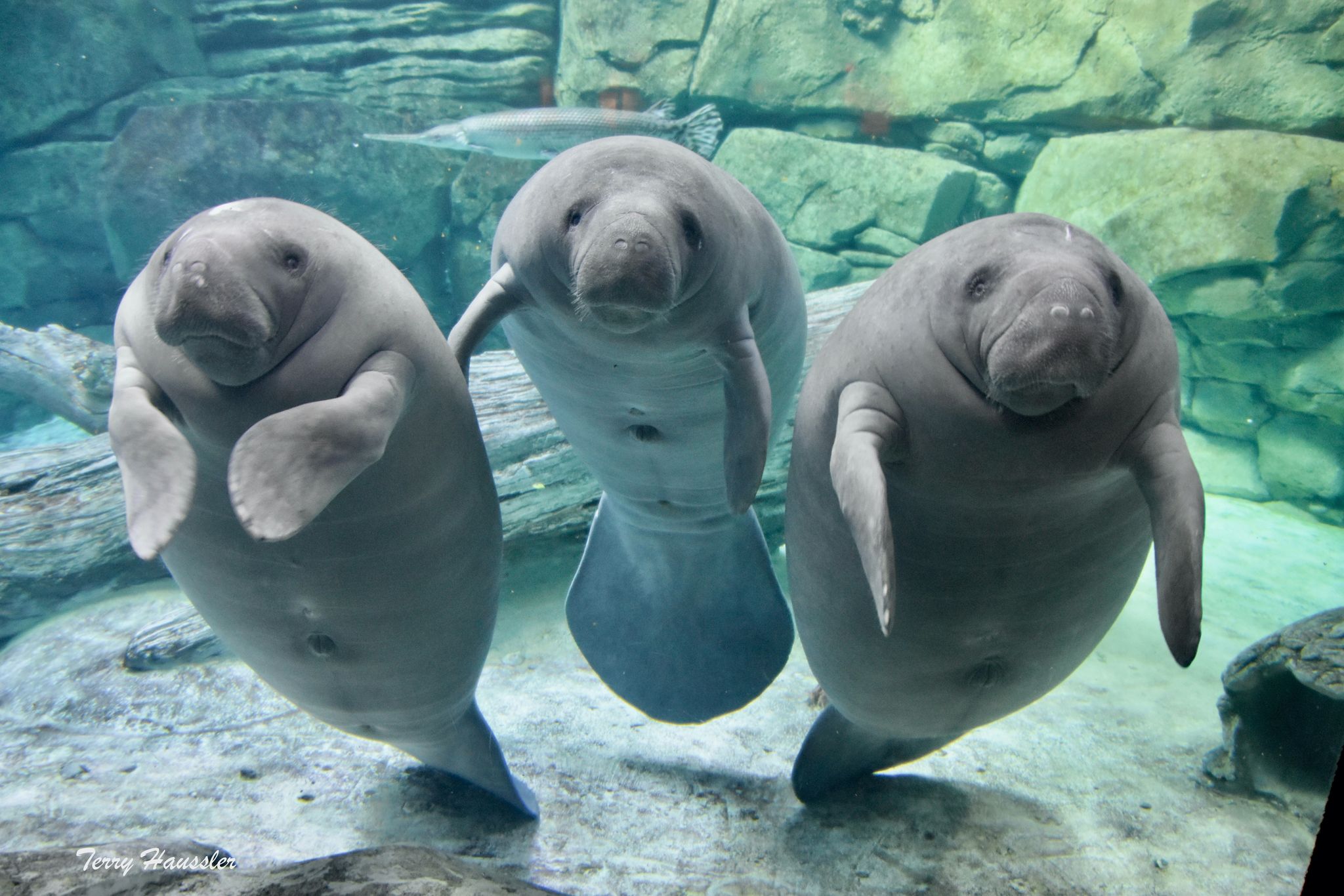
Manatee
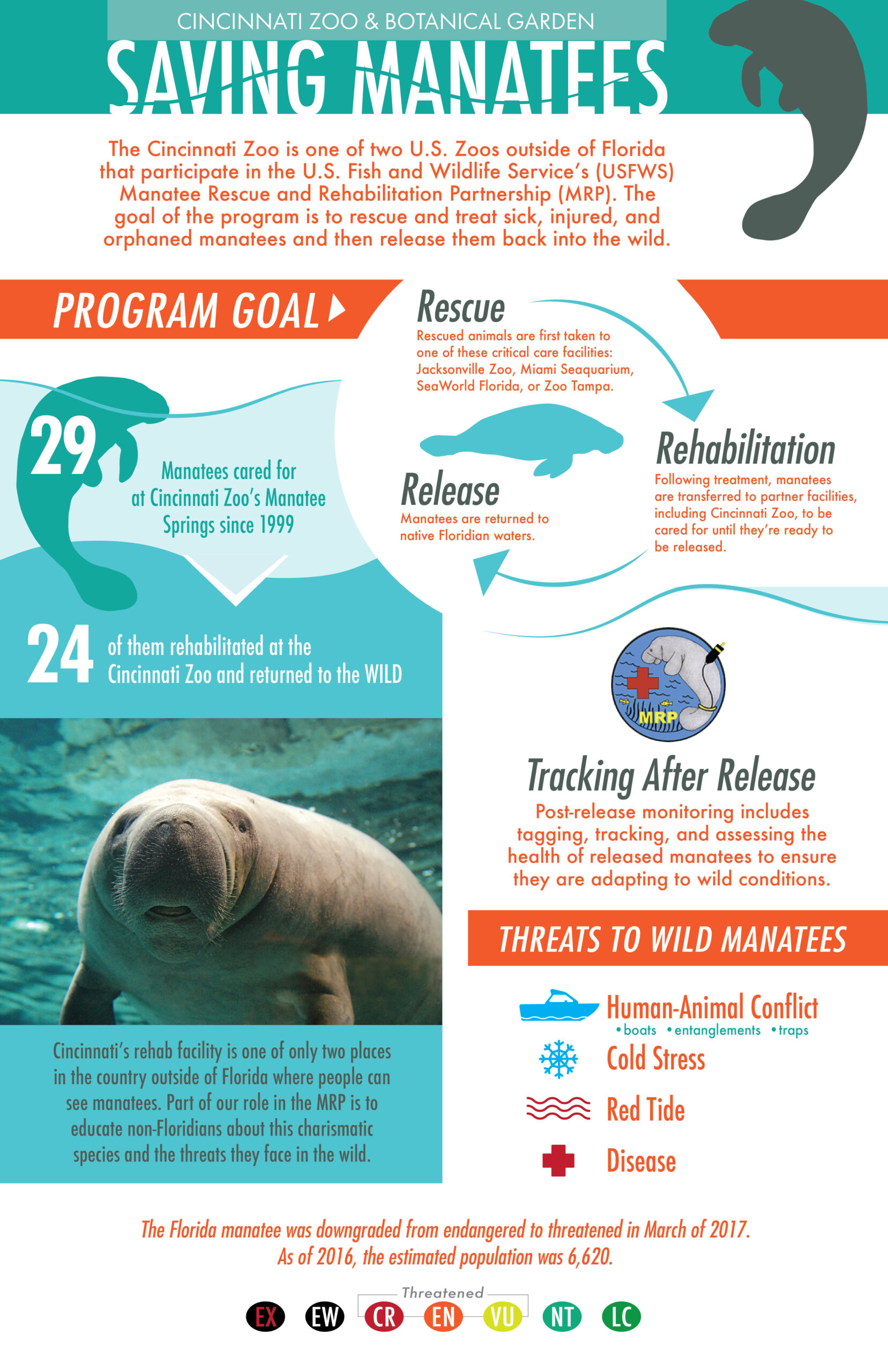
The Cincinnati Zoo & Botanical Garden is one of a few U.S. Zoos outside of Florida that participate in the U.S. Fish and Wildlife Service’s (USFWS) Manatee Rescue & Rehabilitation Partnership (MRP). The goal of the program is to rescue and treat ill, injured and orphaned manatees and then release them back into the wild.
After rescue some manatees can be immediately released. Manatees that require for long-term rehabilitation are sent to other facilities for care, including the Cincinnati Zoo. Since 1999, the Cincinnati Zoo has rehabilitated 26 manatees, and 19 of those have been re-released. Information about manatees currently being tracked is available at www.ManateeRescue.org.
-
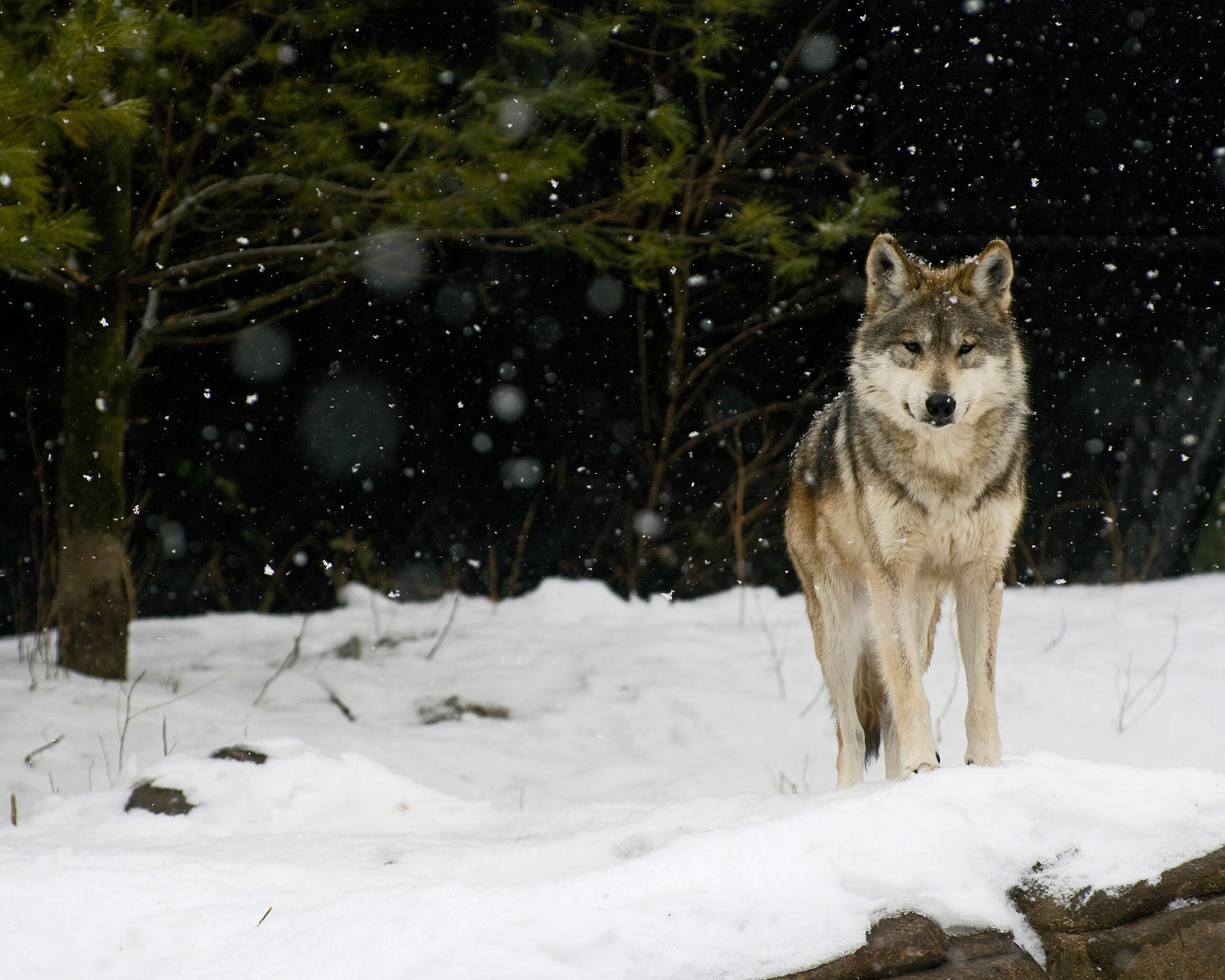
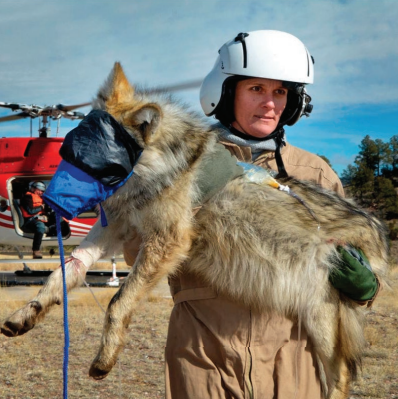 Maggie Dwire was the recipient of the Wildlife Conservation Award in the CZBG Barrows Conservation Lecture Series in 2023 for her U.S Fish & Wildlife Service work partnering with AZA facilities and other organizations to see the success of Mexican Wolf Reintroductions
 -
-
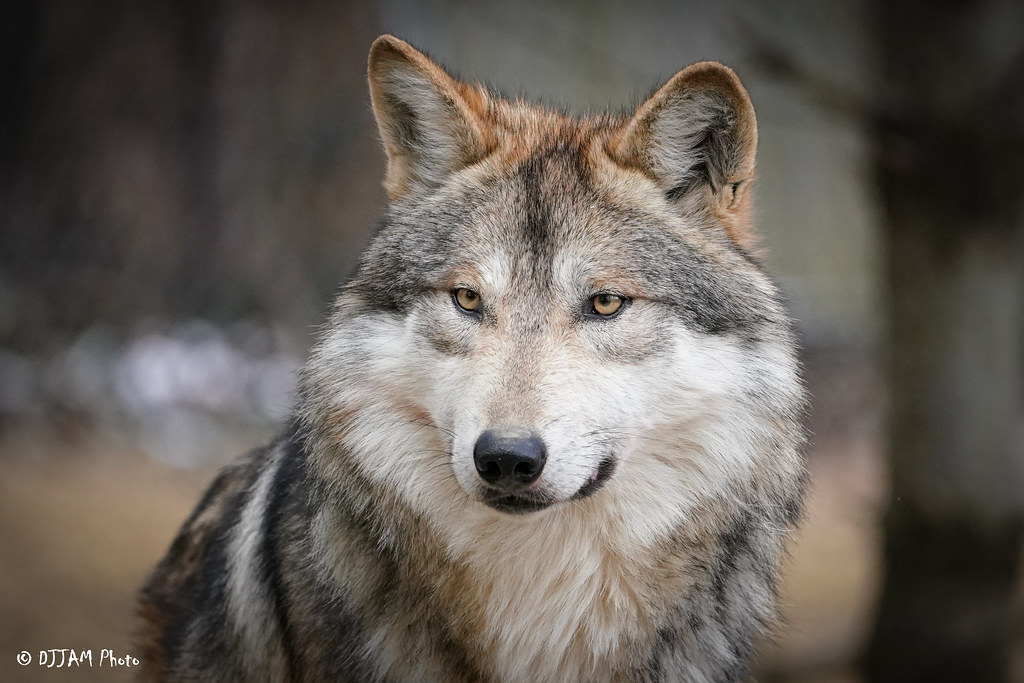
Mexican Wolves
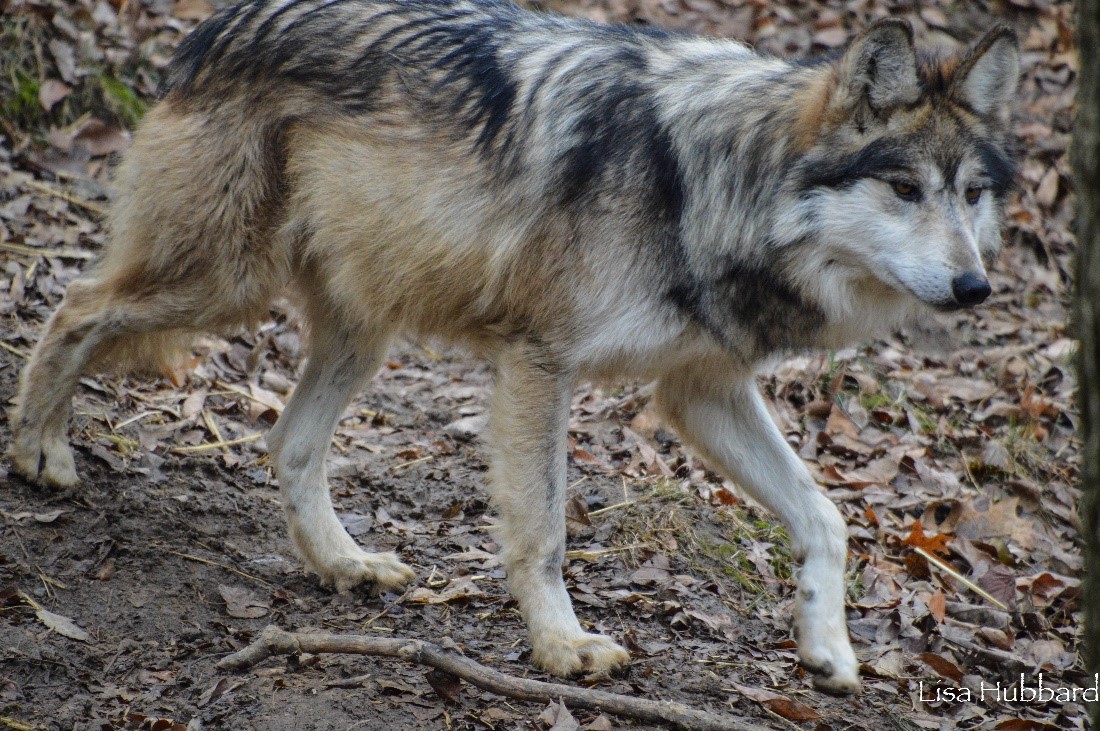
The Cincinnati Zoo team leads conservation of one of the rarest carnivores in the United States. We work with the USDA and Species Survival Plan to reintroduce Mexican Wolves back into their native habitat. Mexican Wolves Reintroduction Efforts include caring for ambassador pack of Mexican wolves and working to reintroduce wolves back into their native habitats.
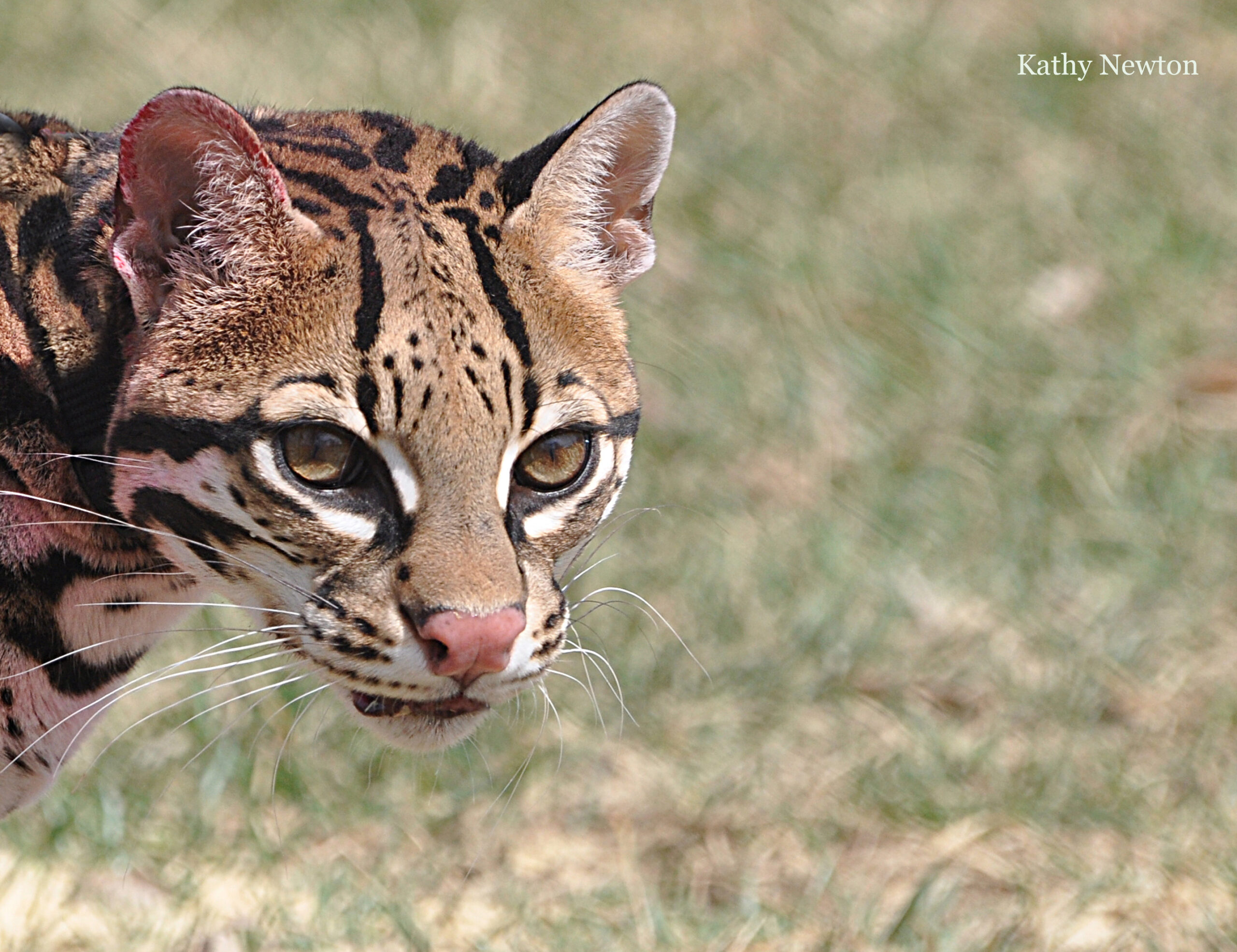
Ocelots
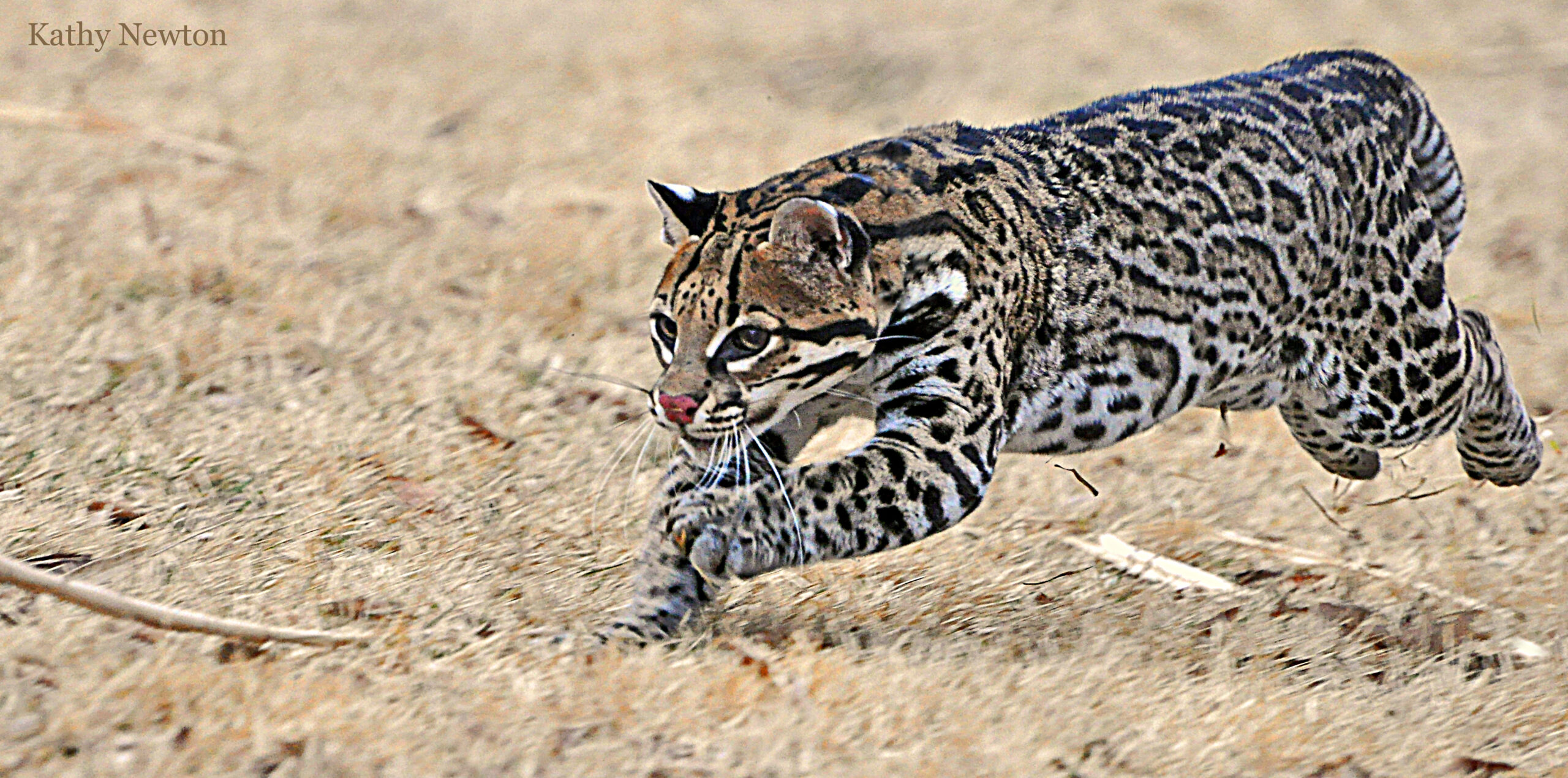
An ambitious recovery program for wild ocelots in Texas is being implemented with the assistance of the Cincinnati Zoo & Botanical Garden and several other zoos accredited by the Association of Zoos and Aquariums (AZA). Texas ocelots are highly endangered with just 60 to 80 wild cats surviving in fragmented habitats near the southern Mexican border. To assist with species recovery, the Cincinnati Zoo and three zoo partners (Oklahoma City Zoo and Botanical Gardens, San Antonio Zoo, Audubon Zoo) have established a Saving Animals From Extinction (SAFE) program for ocelots under AZA guidance.
Read more about Zoo collaboration to save America’s last wild ocelots
-
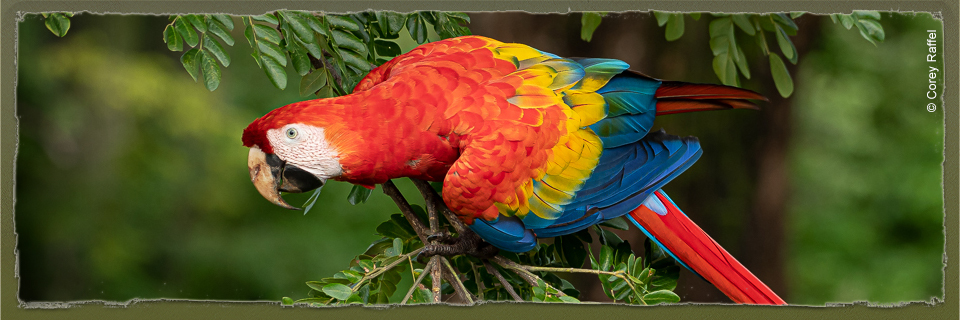 Wild parrot protection includes education programming, rehabilitation and release of parrots in the illegal trade, and habitat protection.
 -
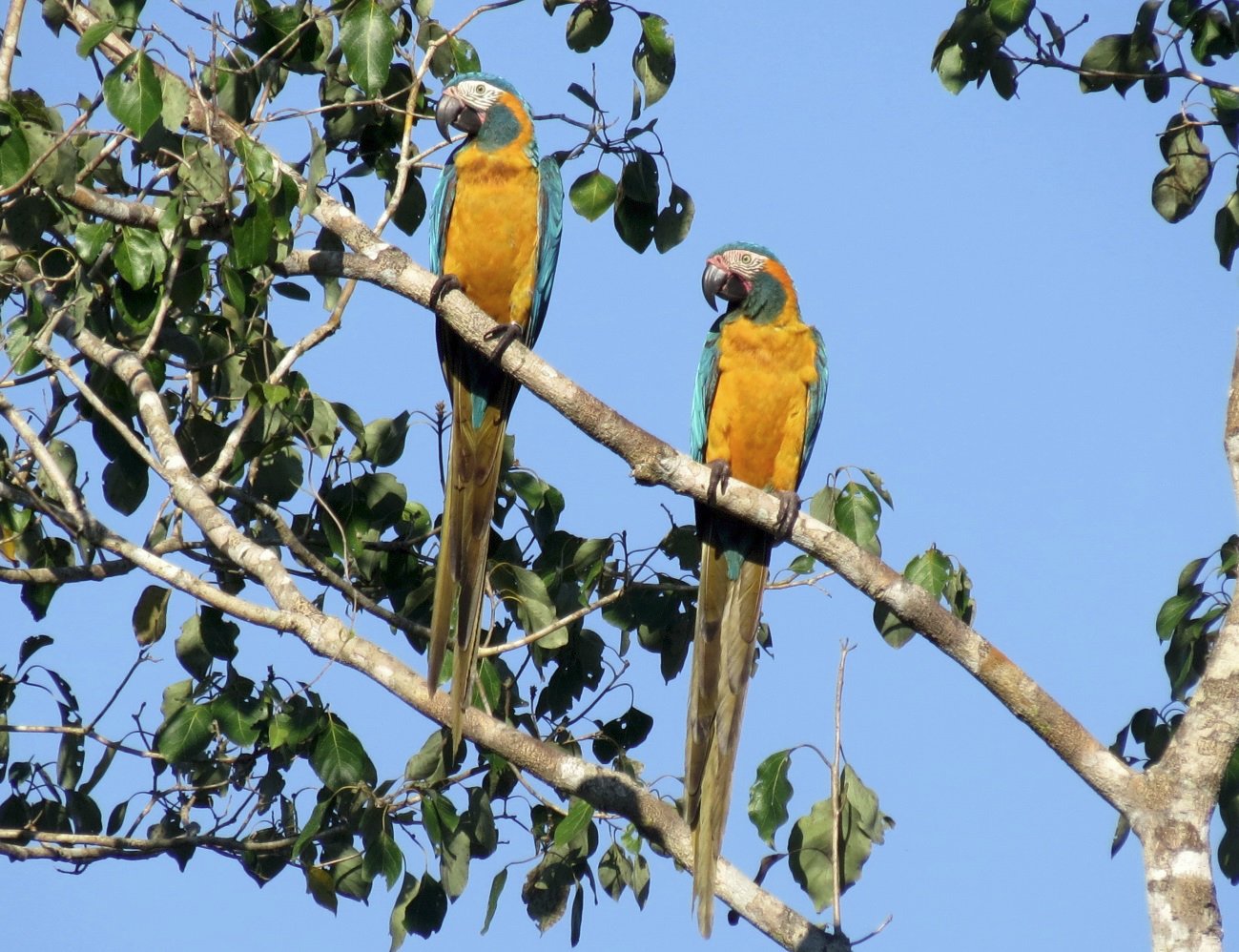
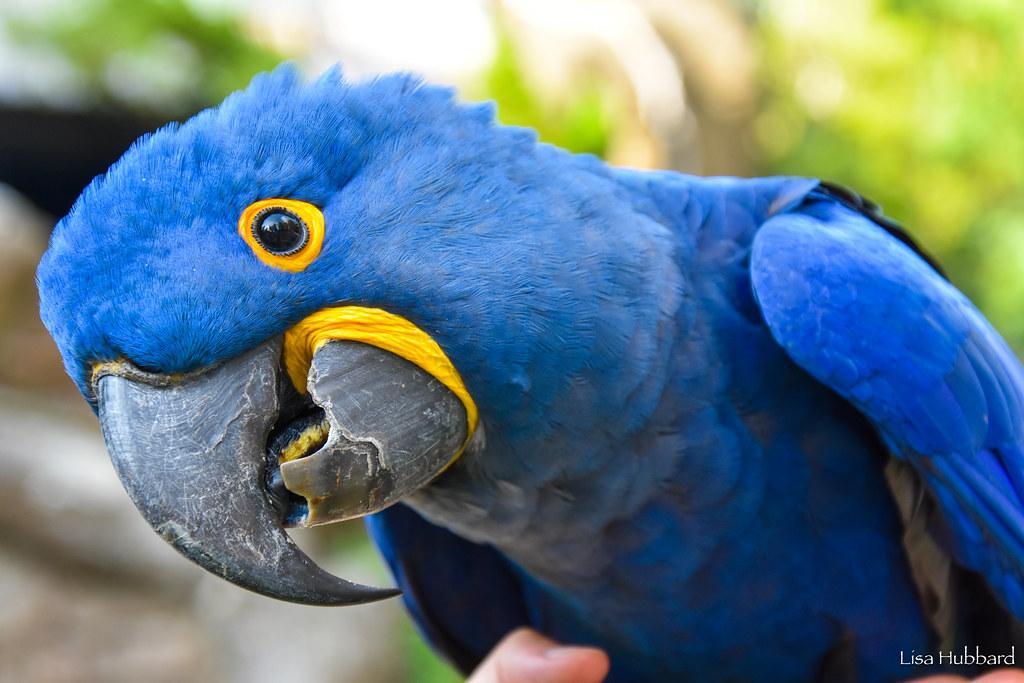
Parrots
We partner with several organizations to ensure our skies remain vibrant with colorful parrots, including World Parrot Trust, ARCAS Guatemala, and Bird Endowment in Bolivia.
Cincinnati Zoo financially supports ARCAS Guatemala, an organization based in Guatemala aimed at rescuing & rehabilitating Guatemalan wildlife, environmental education, sustainable community development, and protected area creation and management. This partner organization works on a global scale to protect wild parrots and provide companion parrot caregivers access to proper care media.
Cincinnati Zoo has directly supported Scarlet Macaw work to develop an incubation room, create nest boxes, construct enclosures, provide food for baby Macaws, and advance their education center construction.
Cincinnati Zoo has also supported the work to “Save the Blue” in Bolivia through a nest box program. Bird Endowment is focused on landscape restoration, data collection, and the nest box program to support breeding of these critically endangered Macaw.
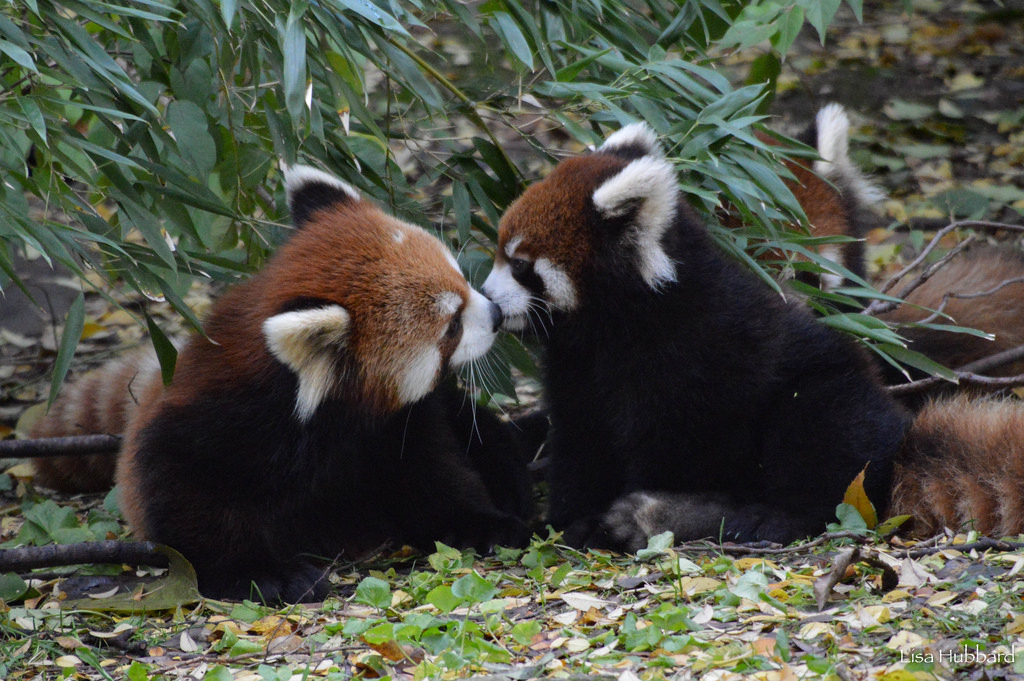
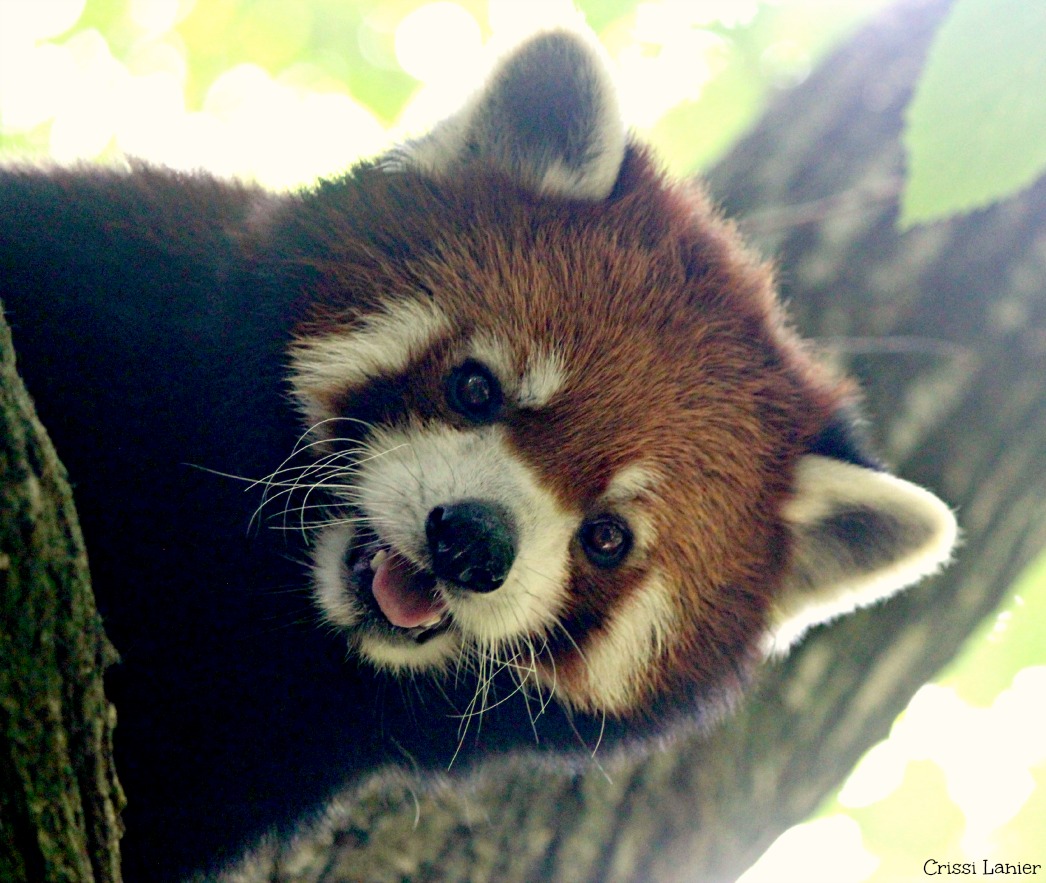
Red Pandas
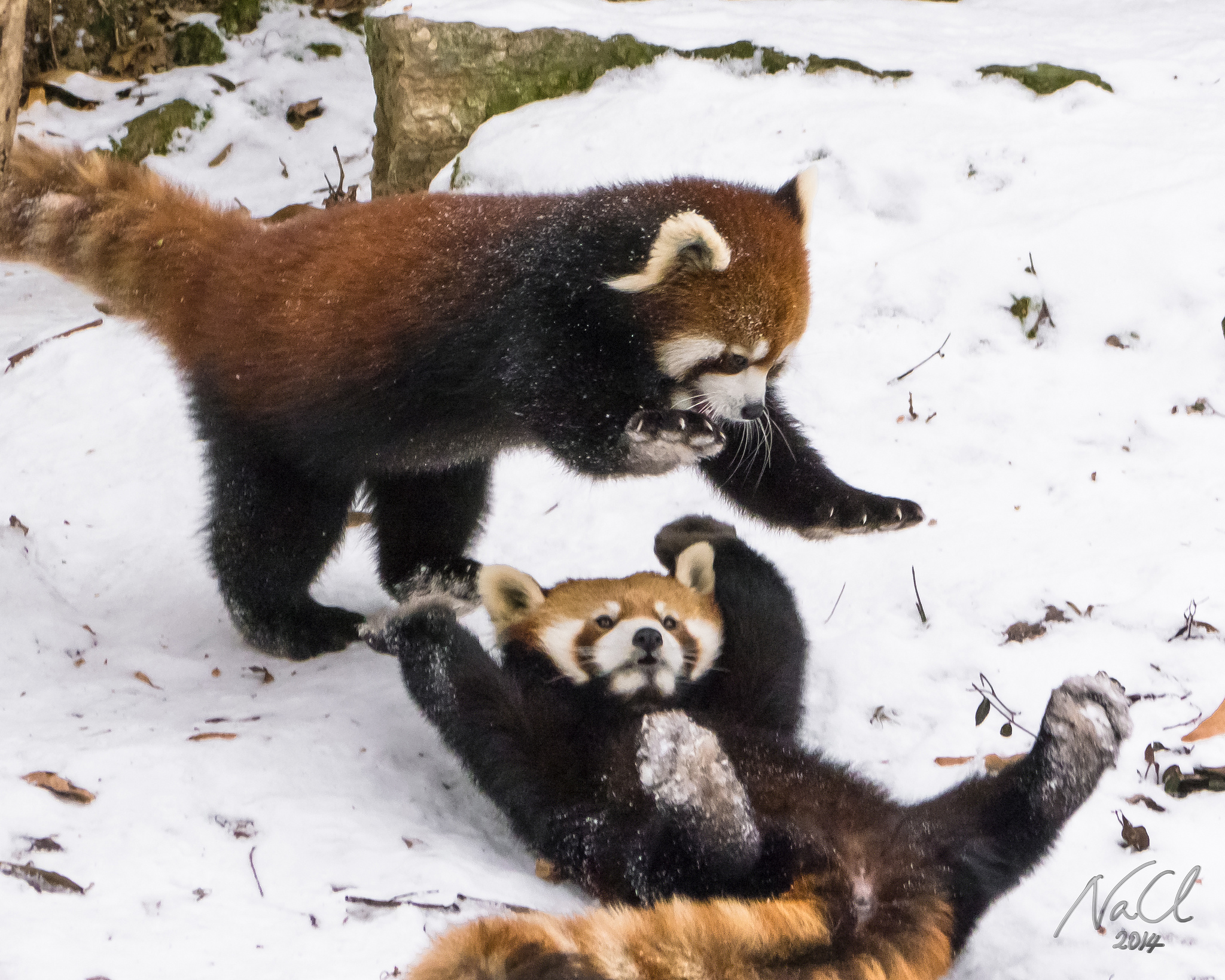
The Red Panda Network operates at landscape level to engage in community-based conservation. Their work includes government action plans, monitoring studies, and a wildlife ranger program called “Forest Guardians”.
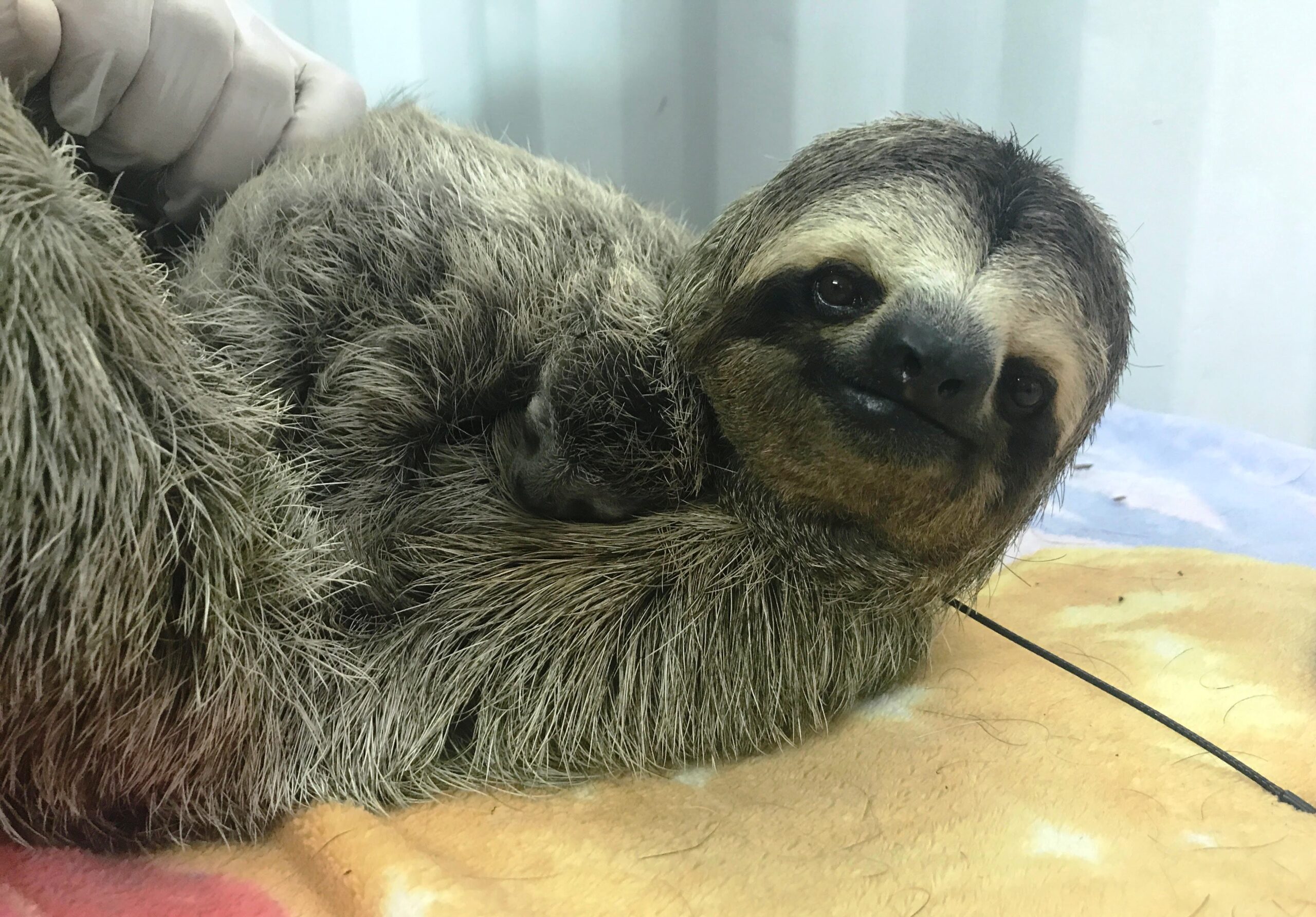
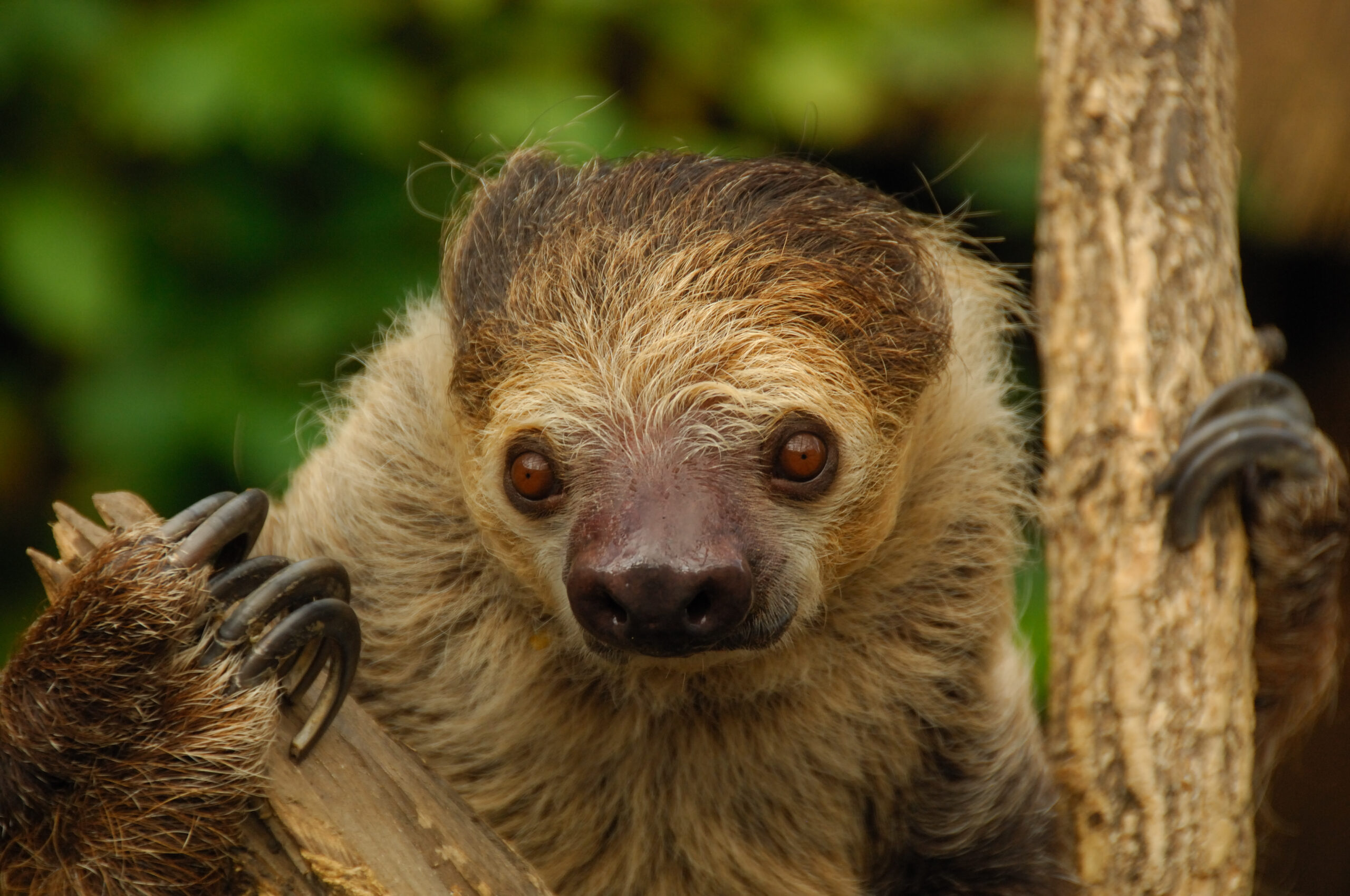
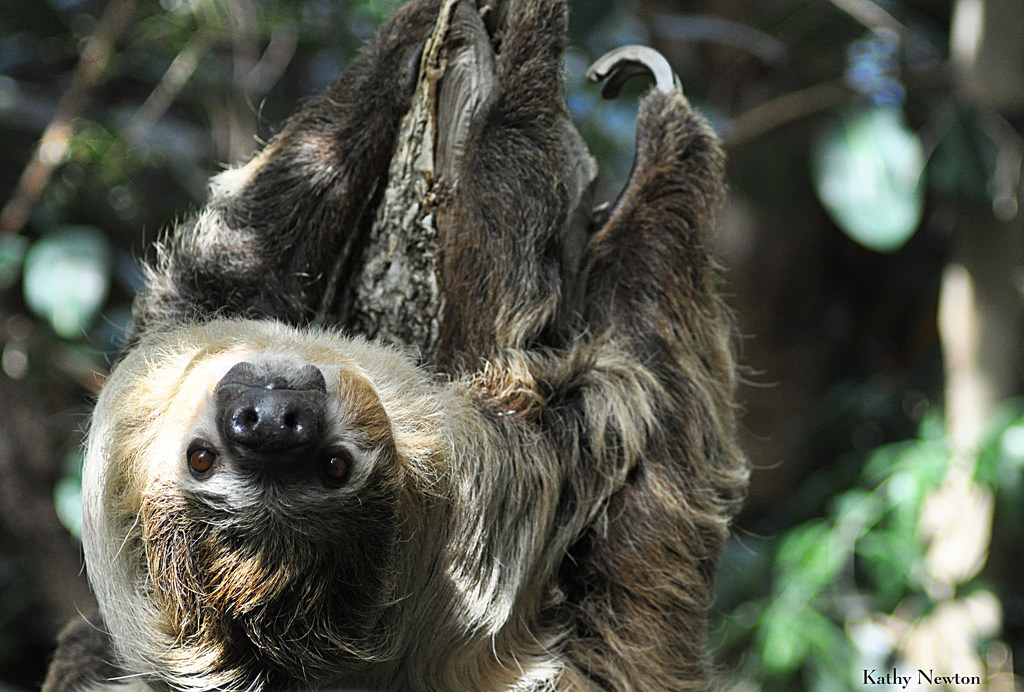
Sloths
The Cincinnati Zoo partners with the Sloth Institute in their mission to enhance and expand the welfare and conservation of sloths.
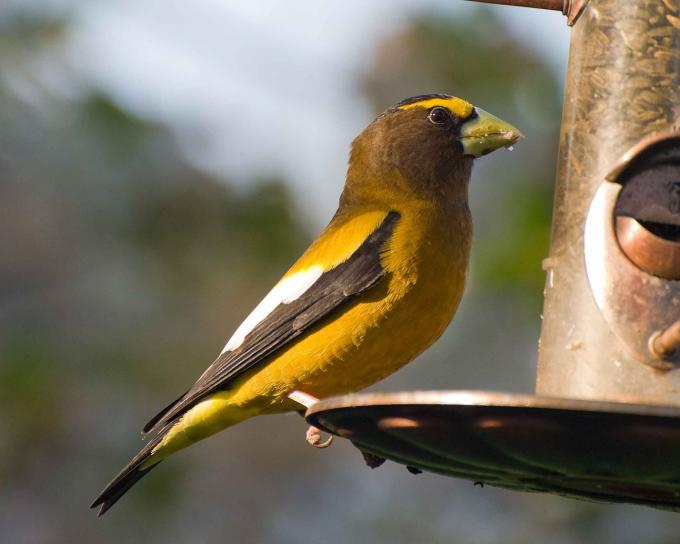
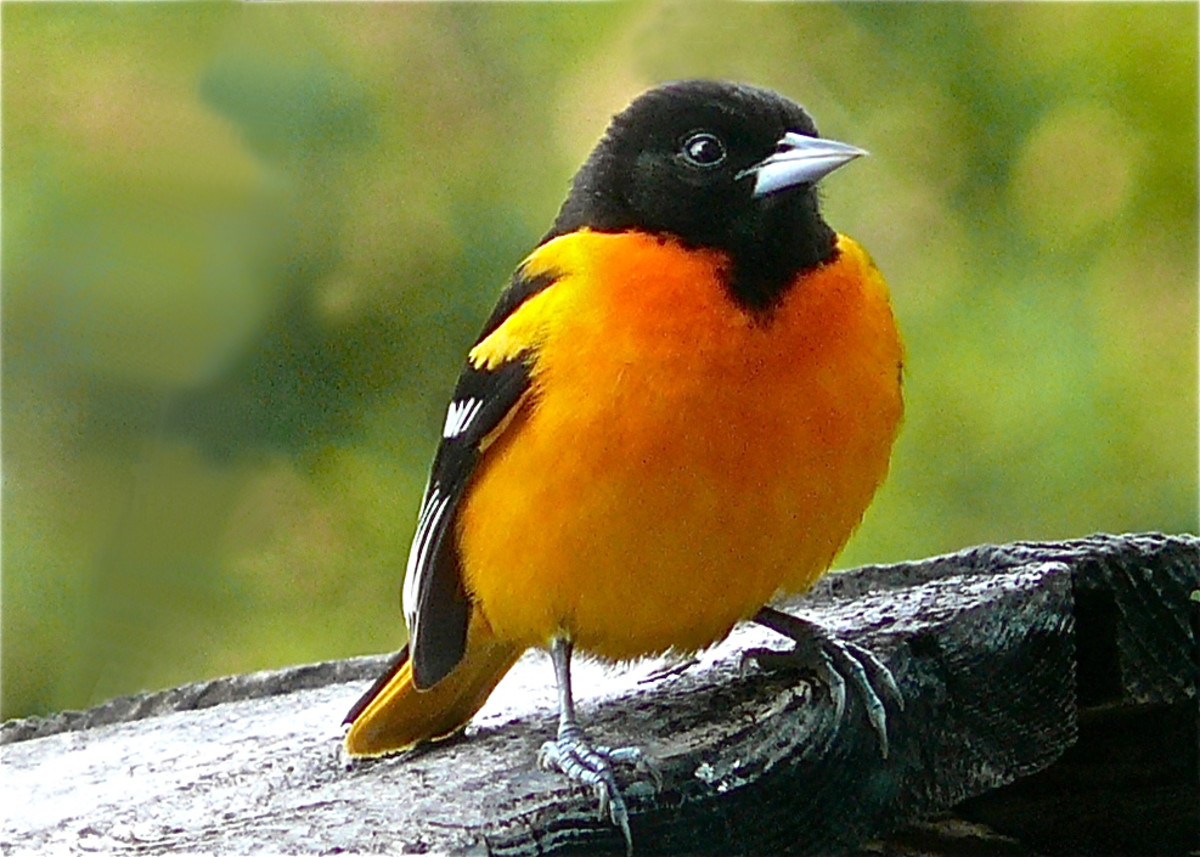
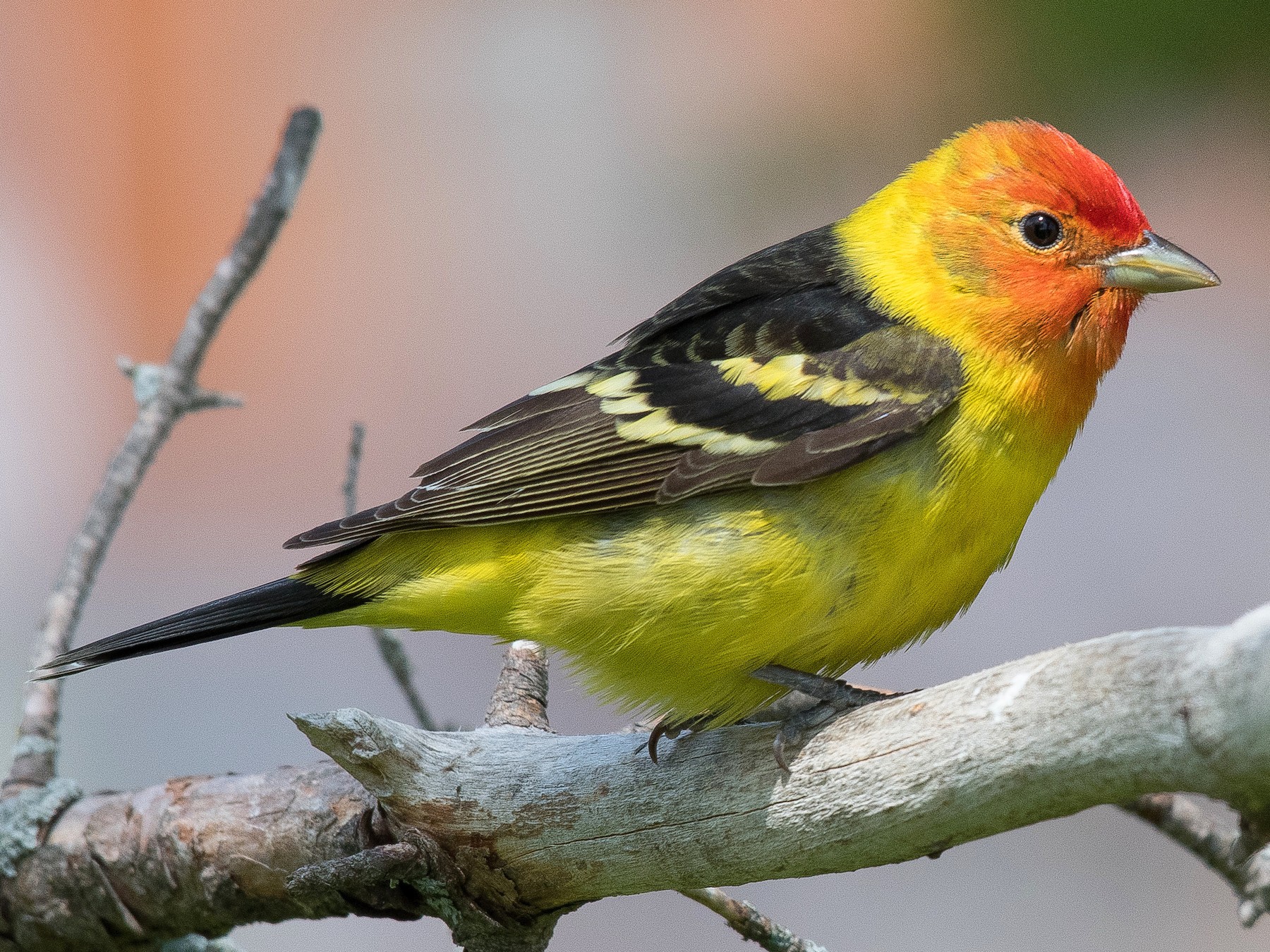
Songbirds
Cincinnati Zoo is a member of the AZA SAFE North American Songbirds, a program focused on “reducing threats to North American Songbirds and securing sustainable wild populations of these species throughout their ranges.” Some of the actions we take to accomplish this goal are promoting bird-safe windows to reduce collisions, creating safe and healthy native plant habitats for birds and many other species, planting trees, and encouraging people to keep their cats safe and healthy by keeping them indoors.
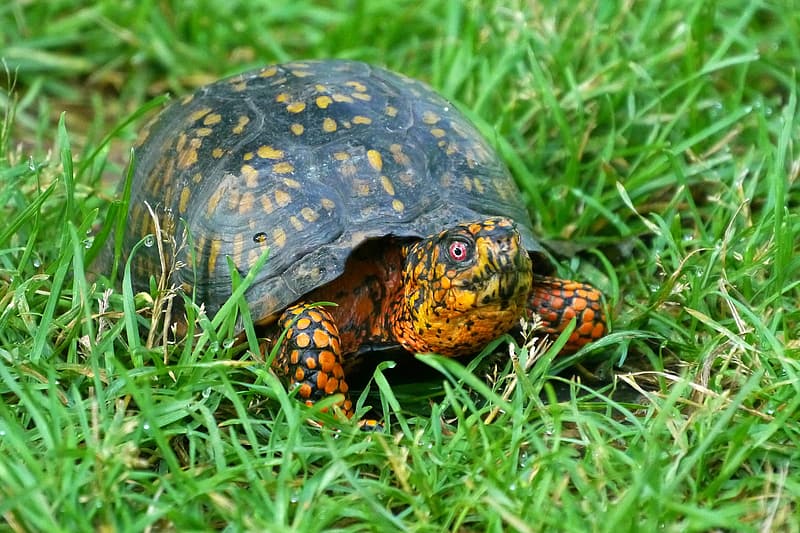
Turtles & Tortoises
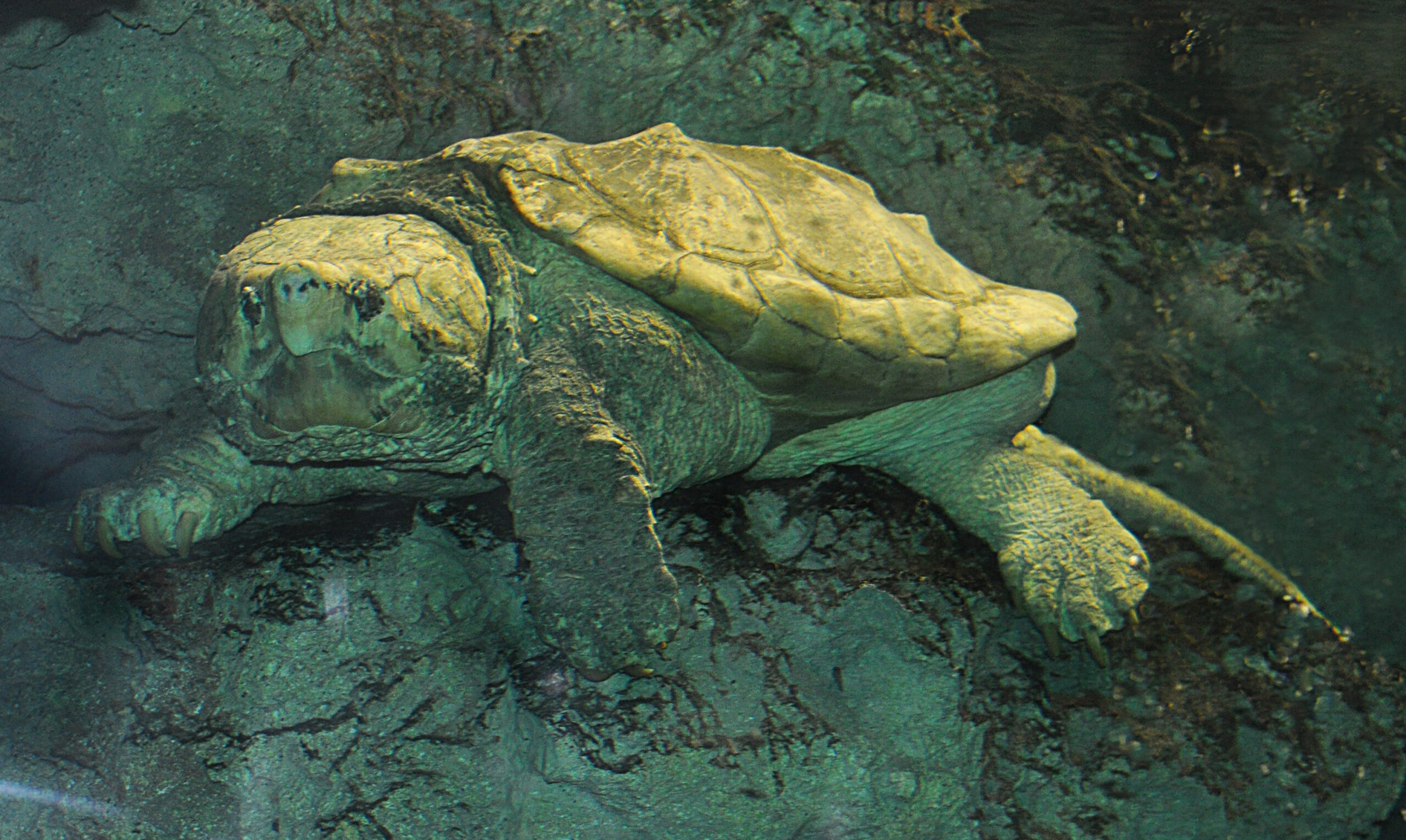
The Cincinnati Zoo & Botanical Garden team works to protect and conserve turtles locally and around the world with partnerships for North American species and support of tortoises in Madagascar with the Turtle Survival Alliance.
The AZA SAFE North American Turtle program is a collaborative effort across multiple AZA facilities and partner organizations. The main goals are to 1) conserve and expand wild populations of spotted turtles, bog turtles, wood turtles, Blanding’s turtles and box turtles precluding the need to list these species under the U.S. ESA; 2) assist regulators, wildlife managers and law enforcement efforts to protect wild turtles; and 3) develop a pathway for confiscated turtles to contribute to effective conservation efforts.