
 Membership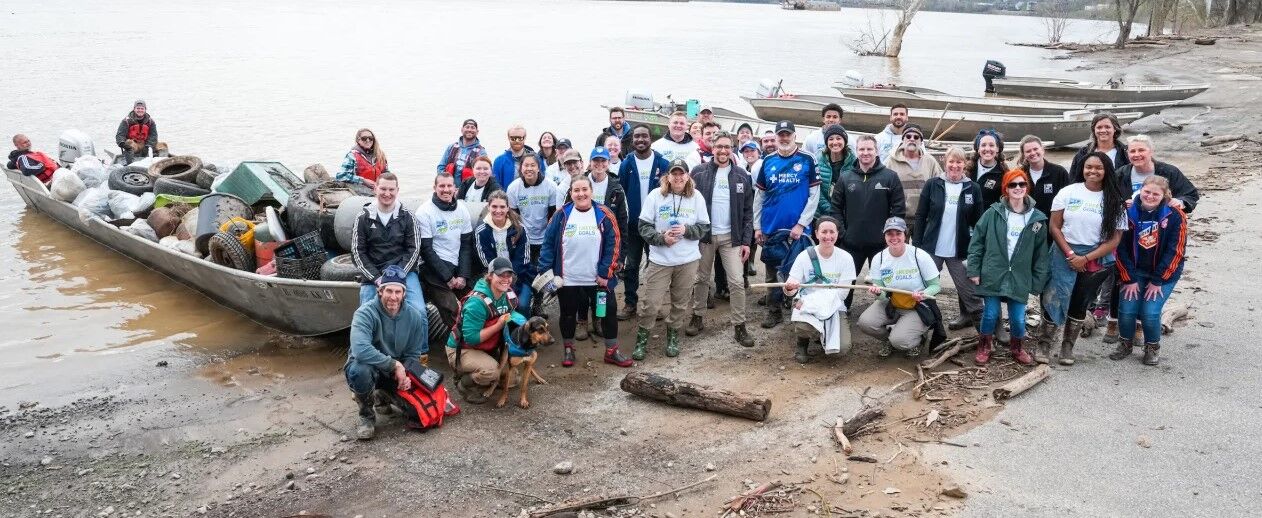
Coexistence is an ever-changing state where humans and wildlife both adapt and adjust to share landscapes.
The Cincinnati Zoo & Botanical Garden’s Coexistence Coalition is dedicated to advocating for a future where wildlife and humans thrive. To do this, the coalition forms and nurtures impactful collaborations with grassroots organizations, non-governmental organizations (NGOs), other AZA organizations, and more.
By supporting communities toward coexistence, the Cincinnati Zoo is facilitating a brighter future for wildlife and people.
The Zoo seeks to positively impact wildlife and resource conservation by helping communities locally and in targeted global sites embrace coexistence.
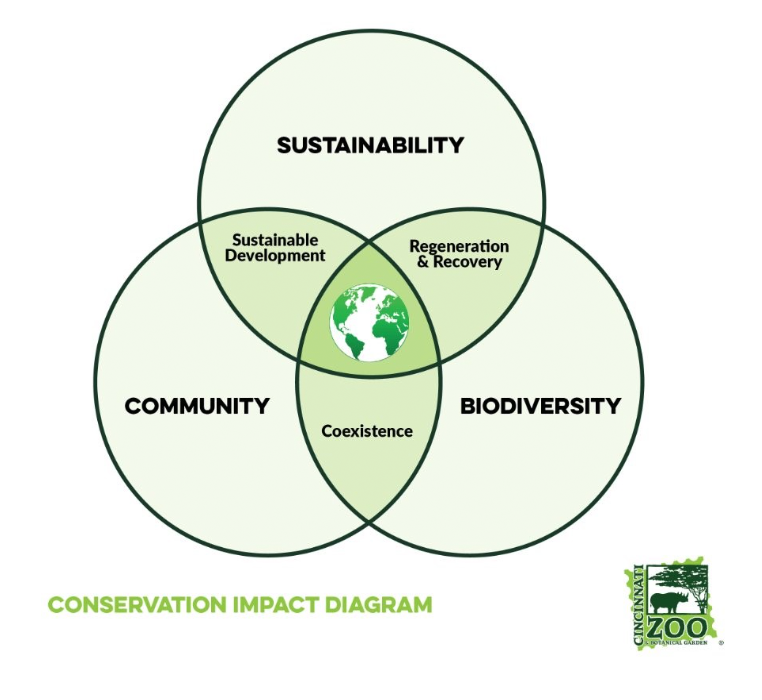
The coalition works to achieve the Cincinnati Zoo’s Positive Impact Model across multiple areas of focus, including:
- Community engagement
- Wildlife coexistence, reduced conflict, and species recovery
- Habitat restoration and diversification
- Sustainable regenerative practices
Cincinnati Zoo & Botanical Garden’s Positive Impact Model:
 Coexistence Coalition in Practice:
The Cincinnati Zoo’s Coexistence Coalition takes an integrated approach to conservation, combining both ecological and human dimensions essential for coexistence impact. We empower communities to embrace coexistence initiatives. We aim to increase our impact for wildlife, mobilize the Zoo’s communities to increase involvement and resources, elevate our partnerships as proactive collaborators, and embrace environmental justice in all that we do. We are strengthening partnerships and mobilizing our diverse staff and audiences to build connections to our mission.
Central to our program is the development of enduring partnerships with established organizations grounded in the communities living with the wildlife we seek to conserve. We provide resources, training and support to empower these organizations and enable them to pioneer novel approaches that could unlock increased positive impact for both wildlife and the communities who coexist with them. We seek to complement existing conservation efforts and are committed to advancing education, capacity-building, and research. We contribute to our partners’ international storytelling efforts, inject additional funding and/or resources for increased capacity, and provide in-kind support.
Our overarching objective is to safeguard the persistence of wildlife populations while upholding socially and ethically acceptable methods that resonate with and empower local communities. Our goals for the Coexistence Coalition are 1) to help wildlife populations be healthy and viable, 2) to enhance people’s tolerance and acceptance of wildlife in their communities and landscapes, and 3) to reduce risks from wildlife to manageable levels.
We are working toward these goals by exploring innovative ideas that integrate biology, sociology, politics, and culture, ultimately elevating contemporary conservation practices. We seek to balance perceived risks and unique local contexts encompassing values, worldviews, religious beliefs, cultural practices, and more. While we acknowledge the potential for negative incidents for both humans and wildlife, coexistence prioritizes benefits to outweigh and minimize these possible costs. We seek to design interventions to enhance coexistence that are ecologically suitable, economically viable, and socially acceptable.
Through our active partnerships, we aspire to:
- reinforce positive perceptions of wildlife within local communities, transforming them from perceived nuisances into valuable assets;
- augment and innovate efforts to reduce human-wildlife conflicts while ensuring community needs and sustainable livelihoods; and
- promote landscape connectivity in vulnerable regions and monitor wildlife occurrence in and movements through complex, human-dominated landscapes.

Coexistence Coalition in Action
See some of the Coexistence Coalition’s areas of focus below and explore our Saving Wildlife projects to see the range of coexistence strategies underway.
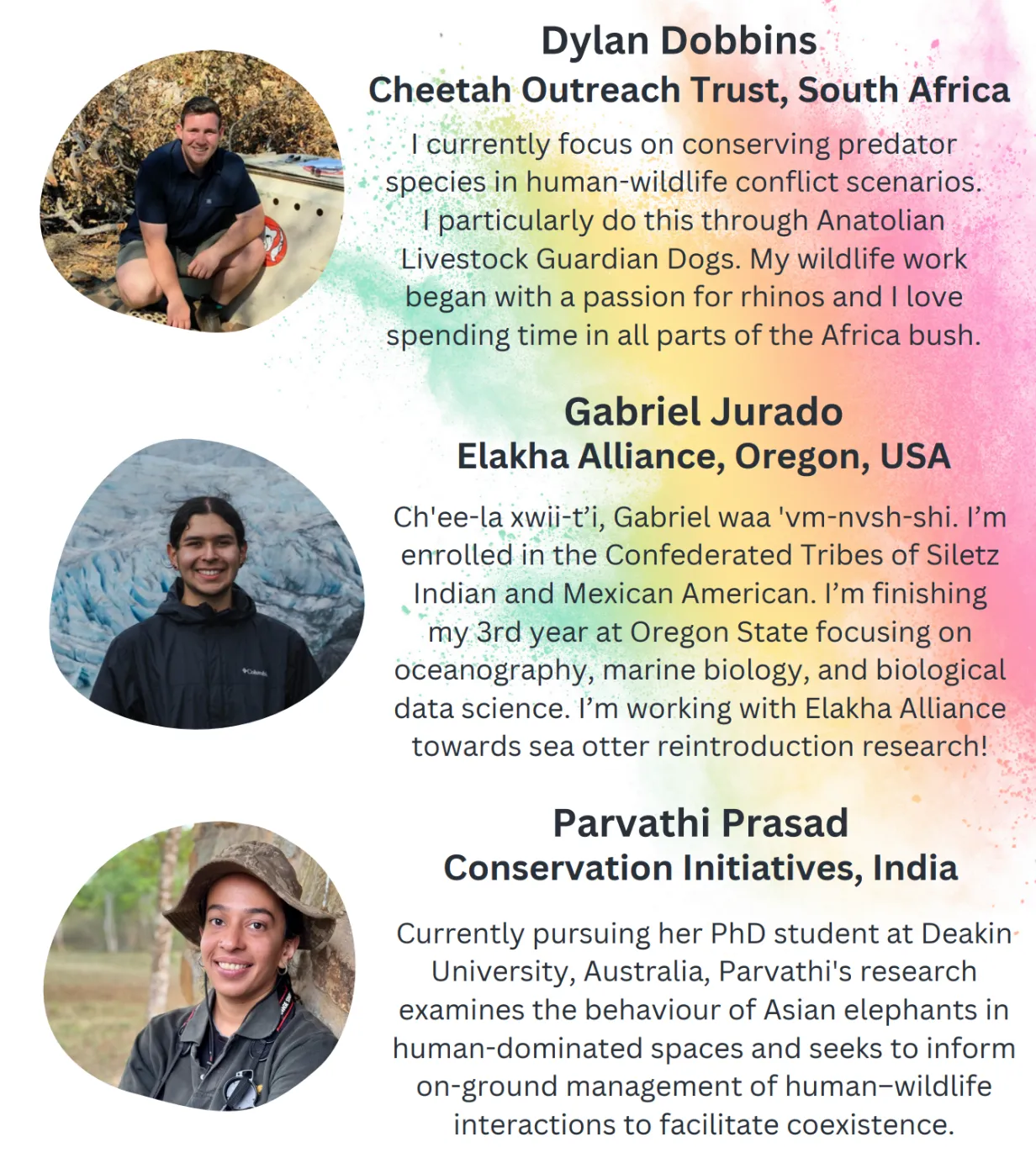
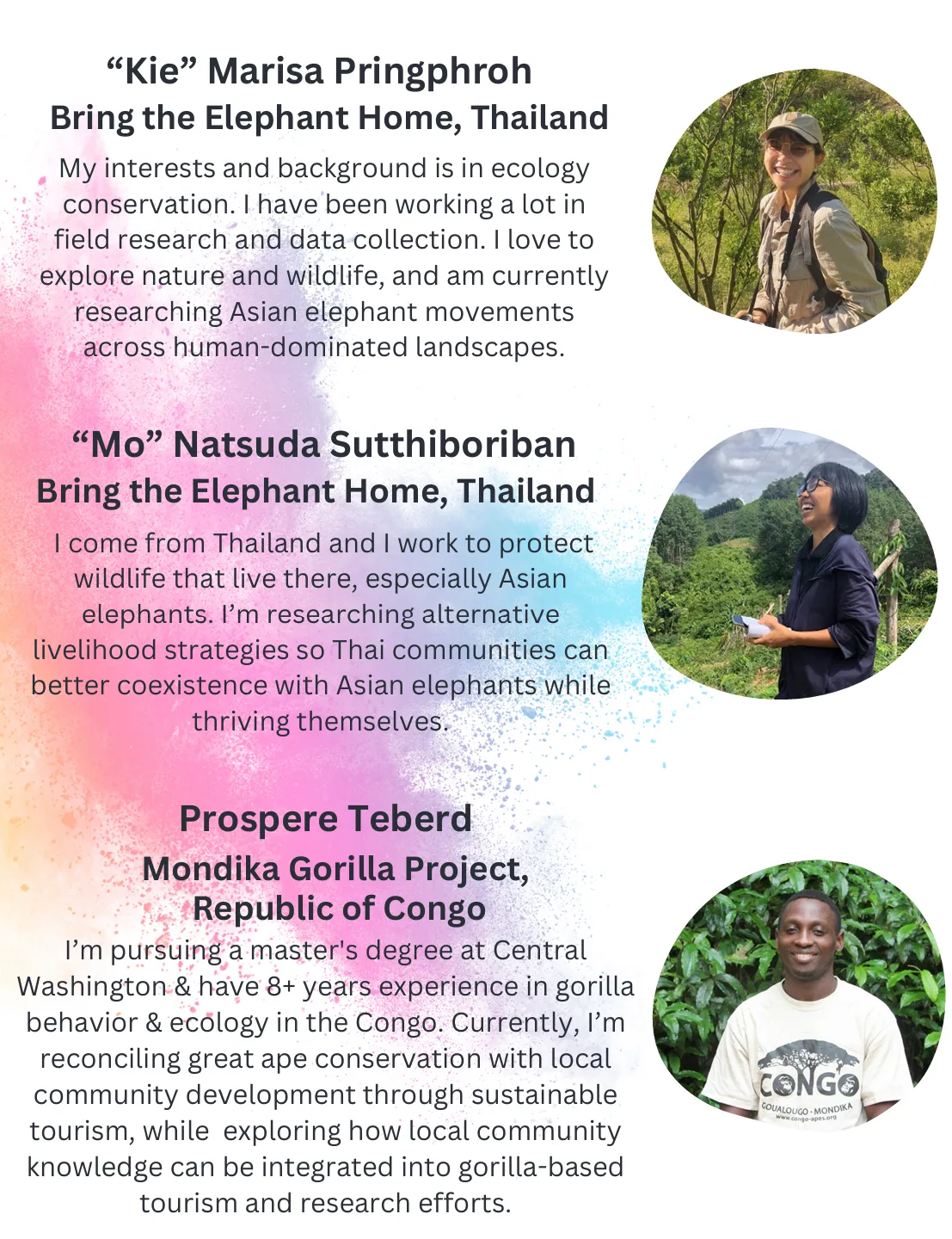
Hoffman Coexistence Impact Fellowship
The Fellowship Program is a dynamic initiative that contributes to wildlife conservation, empowers emerging conservationists, promotes diversity, and uplifts the zoo’s connection to its global conservation efforts and local communities.
The program centers around enhancing coexistence between wildlife and people through specific strategic activities including:
- protecting habitat and landscapes,
- promoting animal movement and connected communities,
- reducing conflict between people and wildlife,
- fostering regeneration and sustainability, and
- empowering collaboration.
By focusing on these objectives, the Cincinnati Zoo aims to have a direct and positive impact on conservation, capacity building, and employee engagement.
The program emphasizes diversity, equity, access, and inclusion by prioritizing candidates who identify as people of color, indigenous, and women. Emphasizing candidates native to the countries where field conservation projects are located fosters greater engagement with local communities and investments in local researchers, providing them with valuable professional development opportunities.
Resilience and Climate Adaptation:
Resilience and Climate Adaptation:
In our changing climate we face an upswing in unpredictable and extreme weather events. Increasing our community’s capacity to adapt to environmental changes and strengthening our ability to respond to disasters is a top priority of the City of Cincinnati and the Zoo.
Community Solar Resiliency Program:
Leveraging renewable energy to amplify the impact of our partners in Cincinnati and beyond
Through the installation of solar arrays, we’re going beyond “Net Zero”—sharing our resources to create maximum community impact and help build a wilder, more sustainable future together. The Cincinnati Zoo & Botanical Garden launched the Community Solar Resiliency Program to support the increase of the energy, climate, and financial resiliency of community organizations in Cincinnati and coexistence partners globally. Through the Zoo’s three solar support pathways, community groups are cutting utility costs, strengthening operations, and expanding their service to people and wildlife.

Empowering Futures
The Advanced Inquiry Program (AIP) is a one-of-a-kind, online master’s degree program from Miami University (Oxford, OH) and Project Dragonfly, in partnership with the Cincinnati Zoo & Botanical Garden. Created for working professionals, the AIP immerses students in collaborative inquiry and action as they champion change for the environment and their local community. With professional and academic mentoring and self-designed Master Plans, students adapt their degree path to fit their interests in fields such as community-engaged conservation, inquiry-driven education, environmental justice, learning across K-12 and informal settings, animal care and welfare, green business innovation, climate change, urban ecology, human-nature relationships, environmental restoration, and public engagement in science.
AIP students join a network of local and national leaders, working together to improve their professions, institutions, neighborhoods, and environments. Students can enroll in either a Master of Arts in Teaching (M.A.T.) in the biological sciences or a Master of Arts (M.A.) in biology. Through web-based coursework from Miami and face-to-face experiential learning and field study at the Zoo, you will connect with classmates, Miami University faculty, Zoo experts, and community leaders locally, nationally, and globally.
The Cincinnati Zoo & Botanical Garden Intern Program provides participants with early career experience in a specific department. Interns gain valuable skills through hands-on training with staff, attending lectures and continuing education courses presented by staff from various departments, and networking opportunities to develop professional contacts throughout the Zoo community.
We are committed to creating more equitable workforce strategies and expanding access to early career experiences in the zoo field. We recognize that there is a lack of diversity in our workforce, due in part to less accessible career pathways, and have worked to increase interest and opportunity for all. We offer a stipend to help offset expenses while interns participate in our program, expanding the opportunity to work in this unique, fun, and rewarding field.
The ZooTeen program is perfect for teenagers who are passionate about nature, animals and conservation! Our ZooTeen program is committed to whole-person youth development. Whether collecting data on pollinators, providing interpretive messaging at different Zoo habitats, supporting our education programs, or getting involved in the Greater Cincinnati community, ZooTeens make an enormous impact on staff and visitors alike. ZooTeens are able to build knowledge, gain leadership experience, and develop professional skills as they learn more about Cincinnati Zoo’s conservation efforts and share those stories with a wider audience.
Collaborative Partnerships
Local and Global Partners
- Adventure Crew
- ARCAS Guatemala
- Asian Nature Conservation Foundation
- Avondale Community Council
- Avondale Development Corporation: Avondale Quality of Life Plan
- Bahamas National Trust
- Bahamians, Birds, & Botany
- Bird Endowment
- Bring the Elephant Home (Thailand)
- Cheetah Outreach Trust
- Cincinnati Children’s Hospital
- Cincinnati Parks
- Cincinnati Recycling and Reuse Hub
- The City of Cincinnati: Green Cincinnati Plan (GCP)
- Community Members
- Congo-Apes
- Conservation Initiatives (India)
- Defenders of Wildlife
- Eastern Ghats Wildlife Society
- Elakha Alliance
- Emerging Wildlife Conservation Leaders
- Fishing Cat Conservation Alliance
- Friends of Bonobos
- Fundación Tonkawa
- Great Parks of Hamilton County
- Green Umbrella
- Groundwork Ohio River Valley
- HUTAN
- ICAS Brazil
- International Bird Rescue
- International Elephant Foundation
- International Wildlife Coexistence Network
- Kea Trust
- Lion Landscapes
- Lion Recovery Fund
- Madagasikara Voakajy
- MadTree Brewing
- Maliasili
- Ohio Department of Rehabilitation and Corrections
- RAPTOR INC.
- Red Panda Network
- Rockdale Academy
- SANCCOB
- Save the Golden Lion Tamarin
- The Sloth Institute (Costa Rica)
- Snow Leopard Conservancy
- SORALO (Kenya)
- The Southwest Florida Turtle Project
- SSA
- Tonkawa
- Turtle Survival Alliance
- Tusk Trust
- Uganda Conservation Foundation
- VulPro
- WASIMA (Tanzania)
- Weichiau Community Hippo Sanctuary
- Wild Camel Protection Foundation
- Wild Entrust
- Wild Nature Institute
- Wildlands Network
- Wildlife Conservation Action
- Wildlife Conservation Network
- World Parrot Trust
- WWF
- Xerces Society for Invertebrate Conservation
- Zambian Carnivore Program
Coexistence Champions
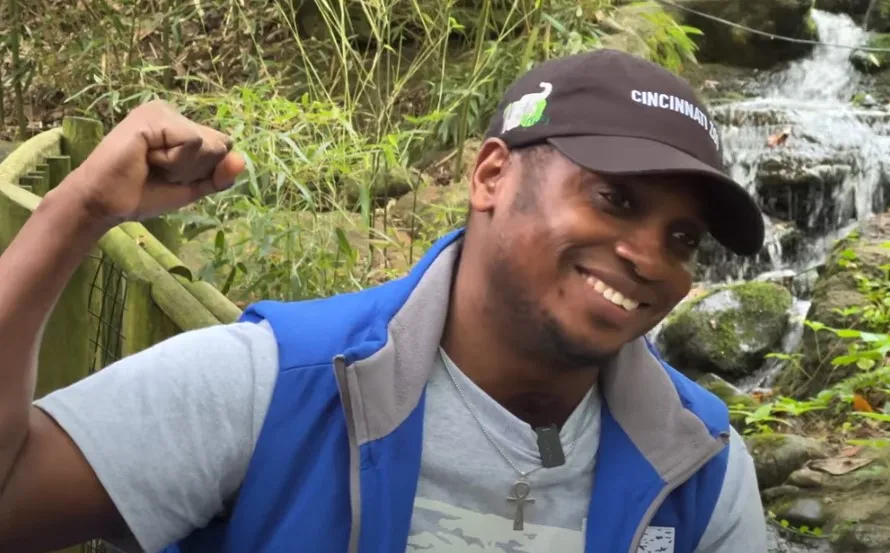
Since 2021, the Cincinnati Zoo & Botanical Garden’s Coexistence Champion program has played an integral role towards the Zoo’s pursuit of true collaboration, collaborating with our partnering global conservation organizations around the world with impact that is measurable and lasting. Through in-person knowledge exchange, Cincinnati Zoo staff with a variety of expertise actively collaborate with conservation partners in their communities. To date, these partners have included SORALO in Kenya and Bring the Elephant Home in Thailand. This program brings to life the idea that conservation needs everyone. From sharing knowledge on maintaining solar energy systems to co-developing educational interpretation plans, Zoo staff have contributed directly to our partners’ conservation missions. Knowledge-sharing goes both ways! Zoo staff return to Cincinnati inspired with a better understanding of coexistence and the communities leading these efforts.
By sharing stories of the Coexistence Champions program, the Cincinnati Zoo hopes to inspire more staff members to connect with the communities directly impacted by global initiatives and act as catalysts of powerful conservation action.

 Solar Energy for Communities:
 Our vision is to facilitate a brighter future for wildlife and people. Coexistence requires listening to the voices and needs on all sides – animals, plants, and people. Through an empowering alliance promoting benefits for all, we can collaborate, reduce conflicts, and sustain healthy landscapes and resources for wildlife and people. Coexistence is the thread tying all our conservation stories together, with interactive strategies, community engagement, and proactive Zoo leadership.
Resources
Cincinnati Zoo staff have created a resource to guide community engagement strategies to inspire more people to act. Check out this workbook, Pathways to Behavior Change, to review how to use best practices in social science to better inspire others to get involved in environmental actions and wildlife conservation.
