 Membership
  Buy Tickets
 The Beauty Behind Bird-Safe Windows
Navigating urban landscapes can be tricky if you’re a songbird. Green space and mature trees are harder to find, there’s a higher amount of artificial light pollution, and outdoor cats are on the prowl, all of which can pose threat to birds and other wildlife. But one of the biggest obstacles comes from something many of us take for granted: windows.
Birds don’t perceive glass the way people do, so when they see reflections of the sky or trees on windows and other glass surfaces, they might try to fly to or through the glass. The resulting collision can kill or seriously injure the bird; in fact, it’s estimated that up to 1 billion birds die from window collisions each year in the U.S. alone.
Fortunately, we can help drastically reduce collisions by making our windows more visible to birds—and there are plenty of creative ways to do so, regardless of your building size or budget!
DIY Solutions for Bird-Friendly Windows
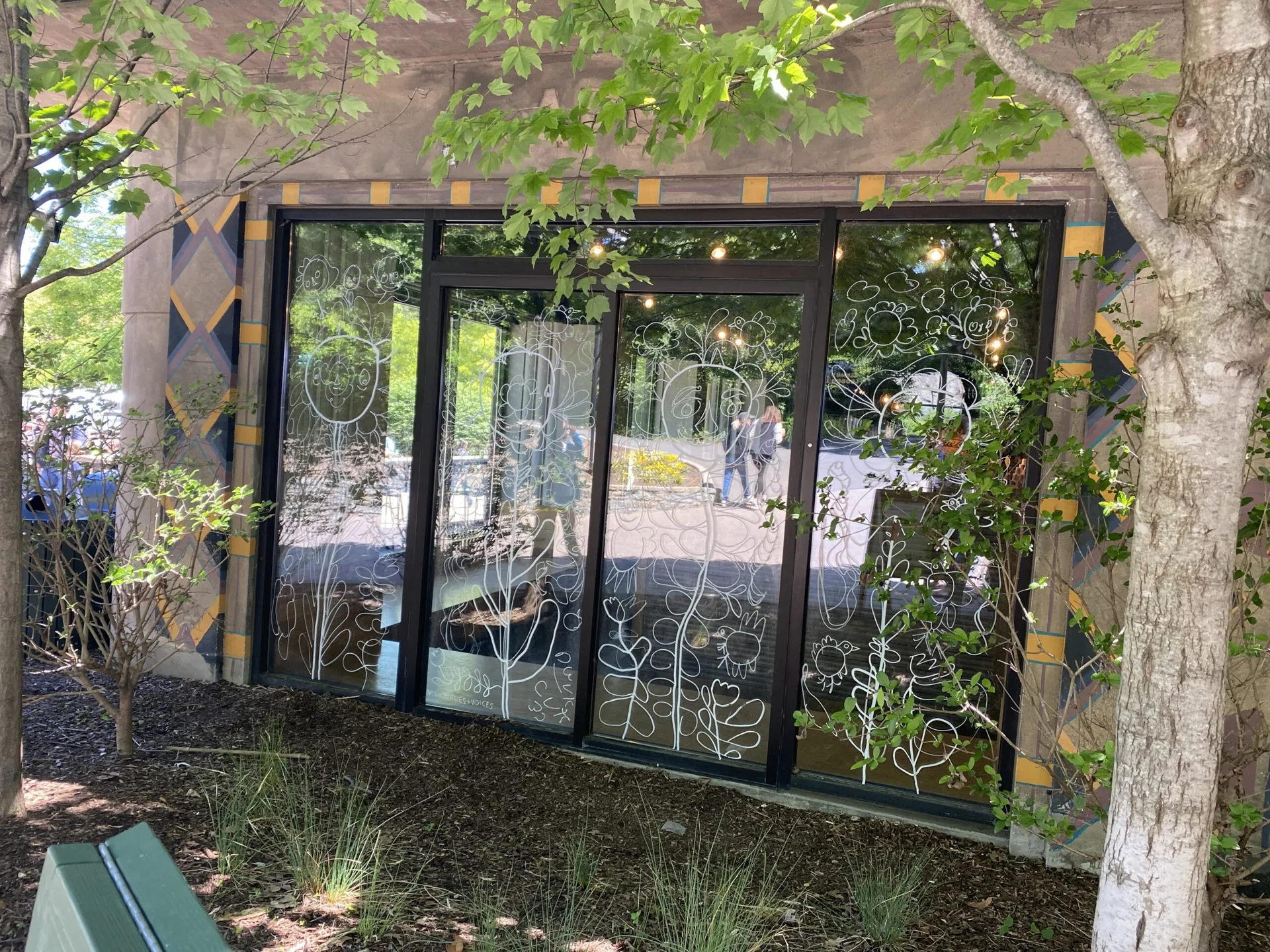
From low-budget to no budget, long-lasting to temporary, ready-made to home-made—there are so many options for making windows safer for birds! You could try buying and installing proven products like WindowAlert dot decals or UV stickers in a grid pattern of 2 x 2 inches, or hanging Acopian BirdSavers (also called “zen curtains”) over your windows. Insect screens can also help birds see and avoid reflective windows.
You can also add some artistic flair to your bird-safe solutions! Tempera paint and soap make excellent temporary bird deterrents. It’s especially important to help birds see and avoid glass during peak migration seasons, when large numbers of birds are moving between their winter and summer homes. BirdCast can help you explore when peak migration occurs in your region—consider creating a group project or art contest to treat your windows with your class, family, or coworkers next migration season!
Need a little inspiration for your DIY window masterpiece? The Zoo has got you covered!
Using Art and Science at the Zoo to Help Save Songbirds
Late spring in the Cincinnati region is peak migration for songbirds making their way back to their summer breeding grounds. This year, the Zoo decided to welcome them home with style by launching a days-long celebration focused on raising awareness and inspiring action to make our region safer and more welcoming for songbirds.
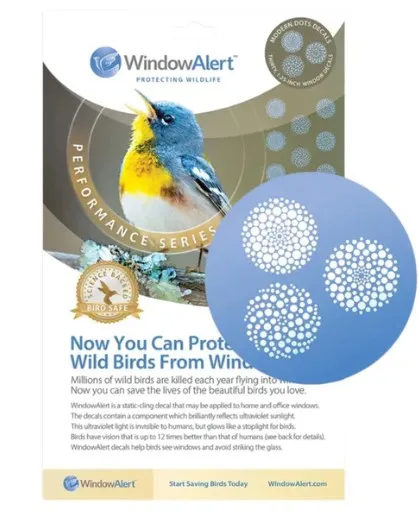
Along with social media pushes and on-grounds activities, a major part of our first ever “Welcome Home Week” involved hosting three artists from Visionaries + Voices at the Zoo, where they’ve used their skills to demonstrate how art and conservation can intersect to save wildlife. Neil Dignan, Cathrine Whited, and Curtis Davis—artists whose works have been displayed in places ranging from Cincinnati and New York City all the way to Brussels—have been working on window murals that make glass more visible to birds, while also adding some beauty to our buildings here at the Zoo!
“V+V artists are used to helping people see the world differently,” says Robyn Winkler, executive director of Visionaries + Voices. “This time, they’re helping birds do the same.”
-
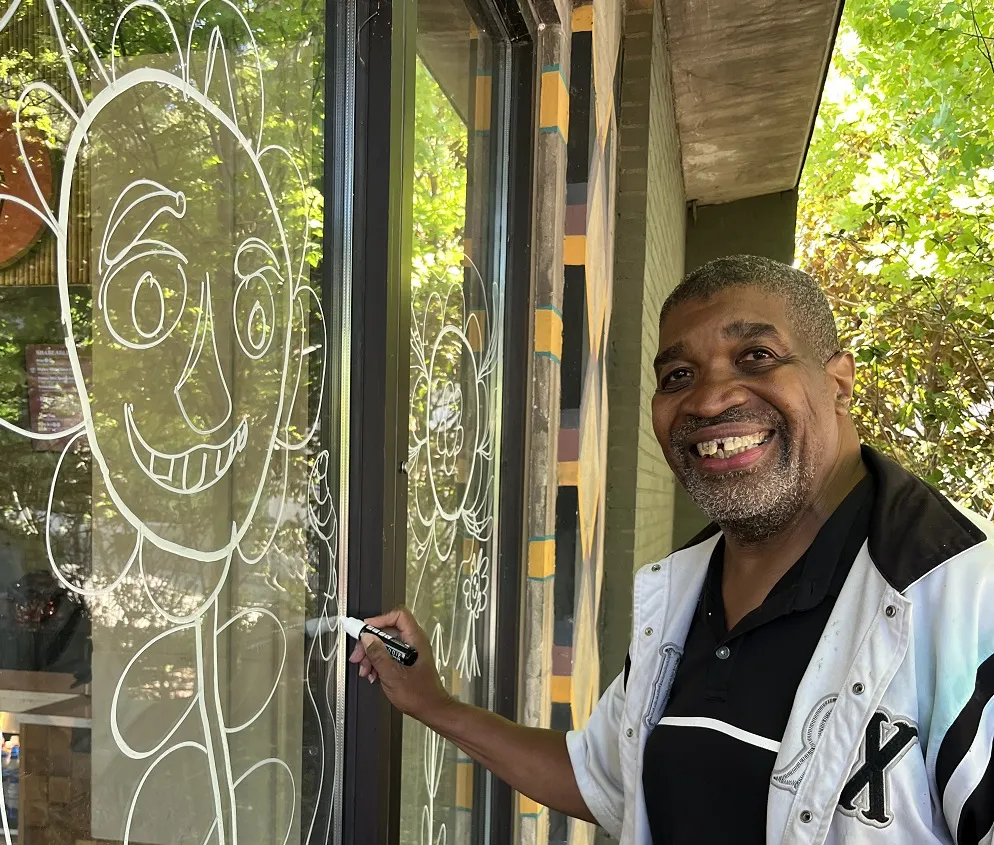 Artist Curtis Davis working on his mural at Mai Thai’s Marketplace.
 -
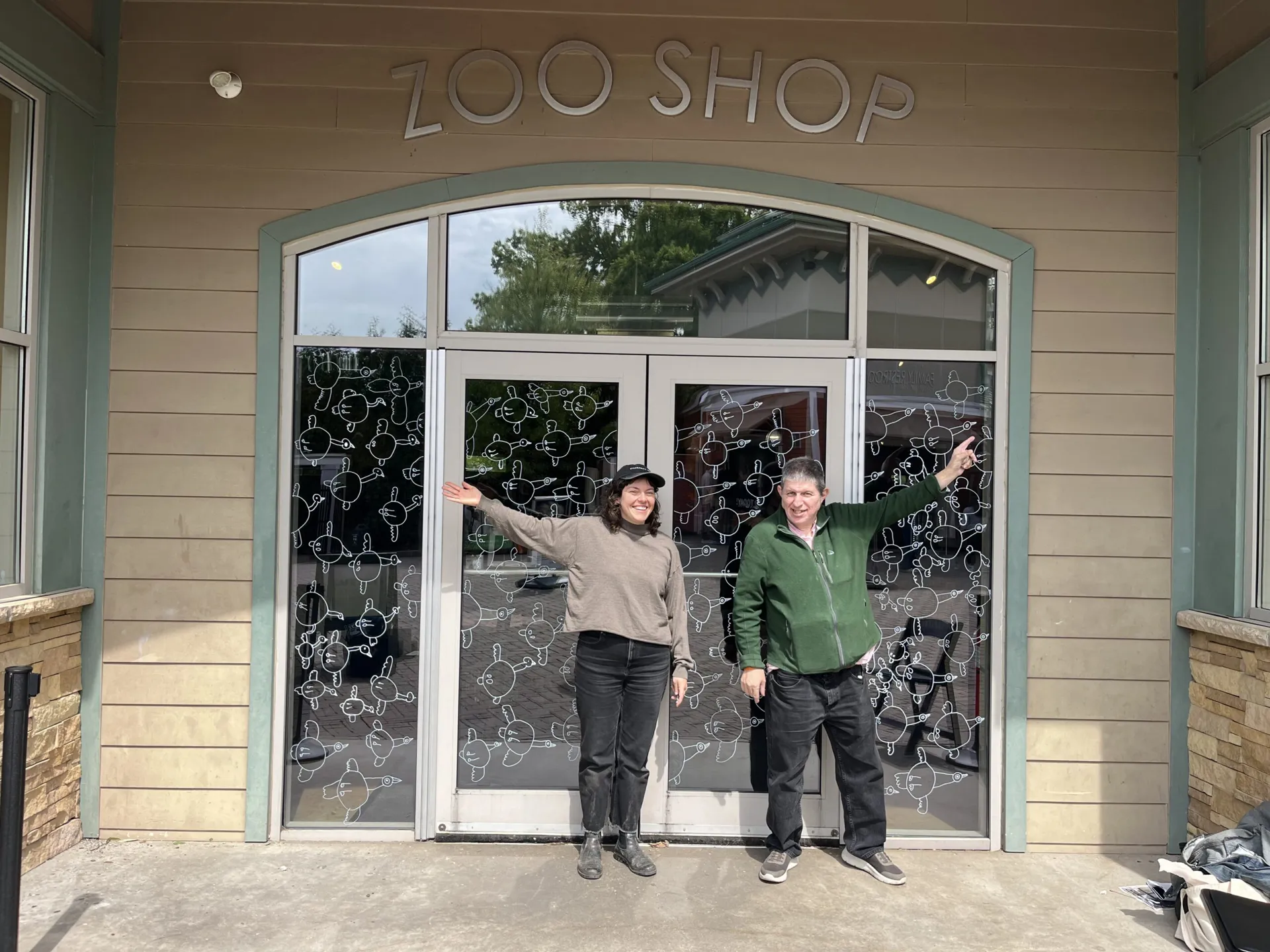 V+V creative director Lizzy DuQuette with artist Neil Dignan in front of his mural at the gift shop entrance.
 -
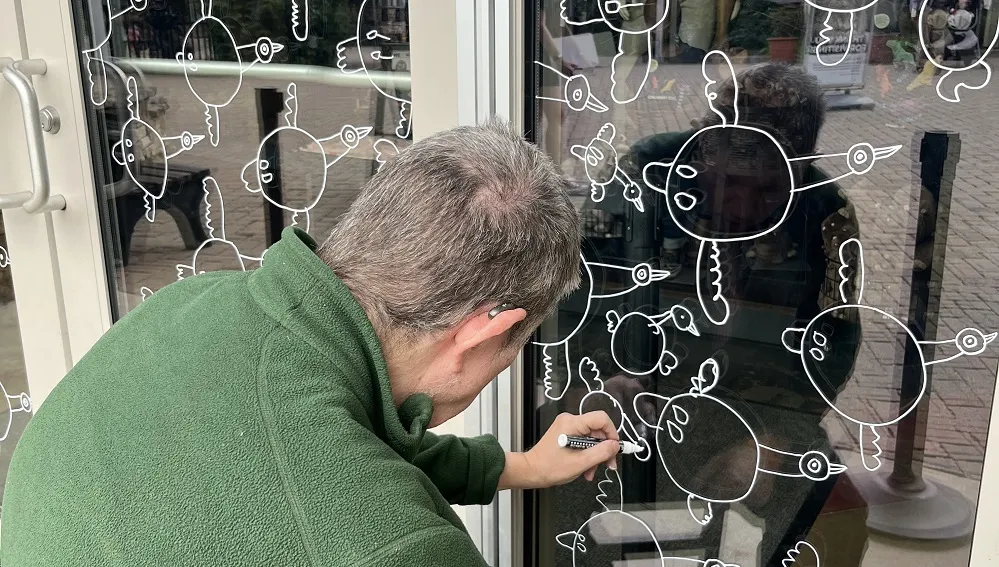 If you talk to Neil, he will tell you all about his love of birds,” says Lizzy DuQuette. “He wants to use his art to raise awareness about bird window collisions and show people how they can help prevent them at home.
 -
 Volunteers have been helping Zoo visitors design their own window murals on dry erase boards!
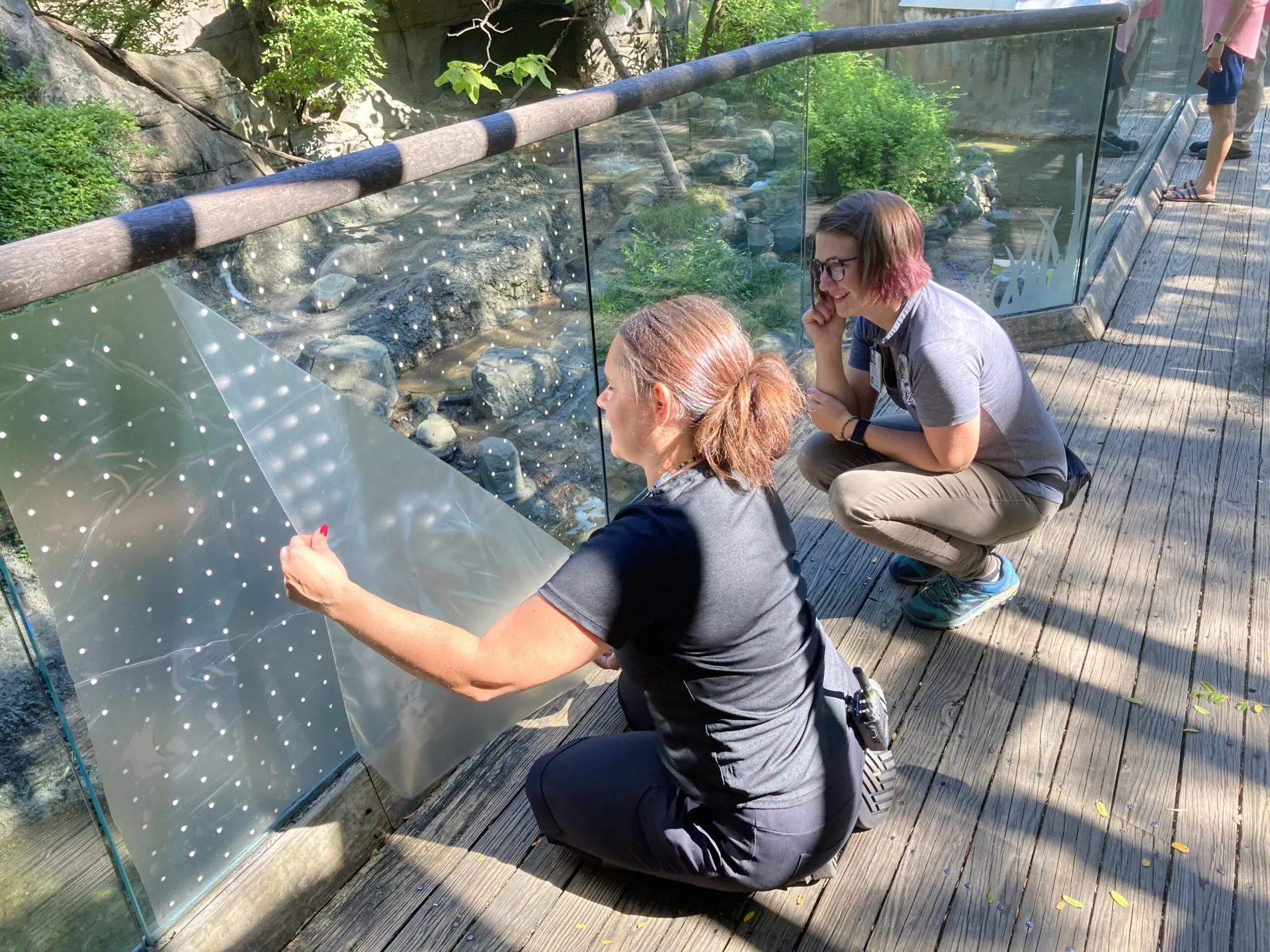
The window murals may be temporary, but the Zoo takes a more permanent and year-round approach to preventing bird collisions as well. We collect data based on where and when staff and volunteers witness or discover the aftermath of a window collision. These findings help us determine where to install Feather-Friendly dot decals, which have been shown to dramatically decrease collision rates.
You can find these dots at certain habitats including African lions, Malayan tigers, lemurs, and Asian small-clawed otters. Trying looking out for them at your next visit to the Zoo, and remember that these dots—along with art murals and the DIY solutions listed above—can help us protect our feathered friends now and for generations to come!