
 Membership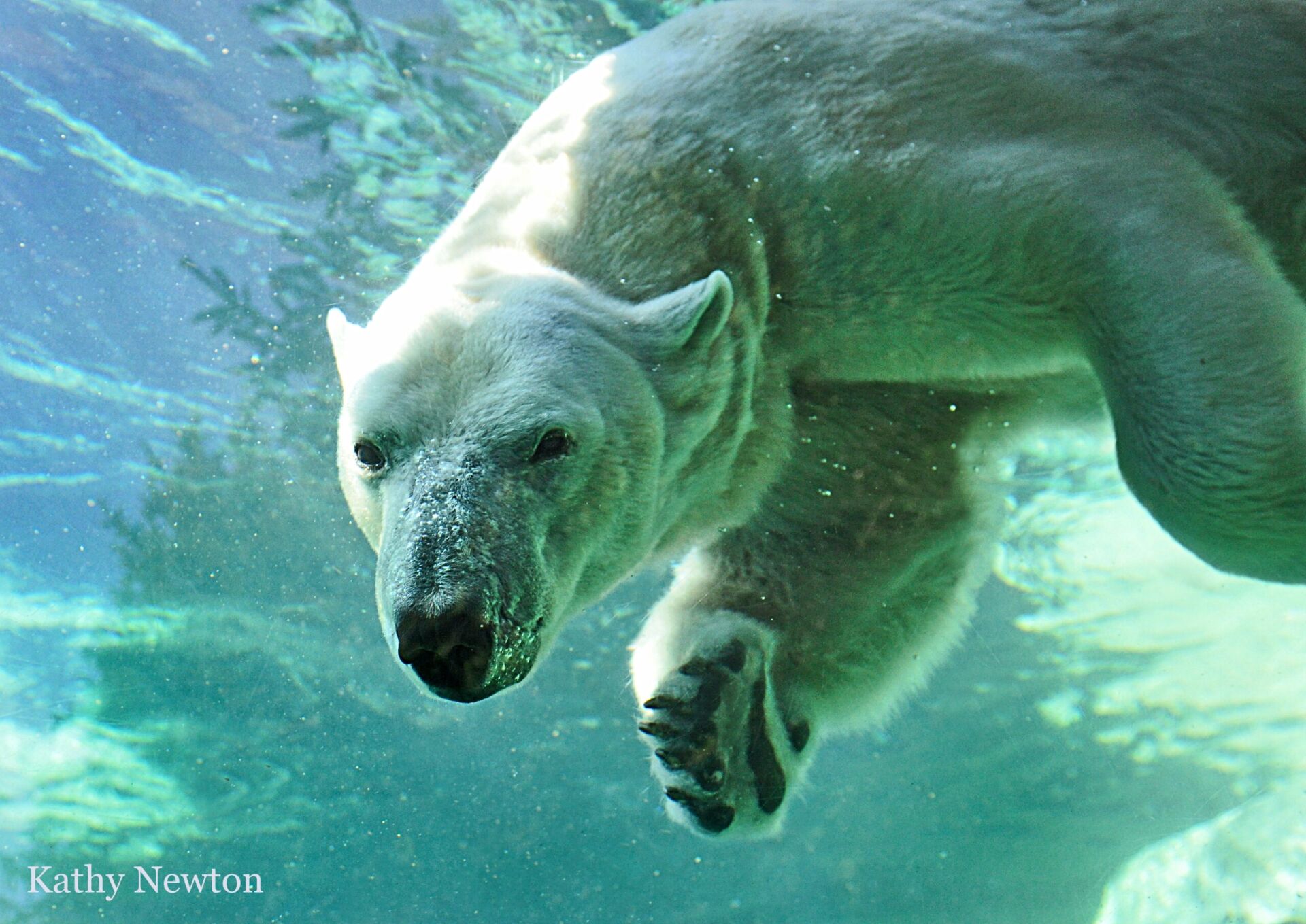
Saving Polar Bears
Polar bears in zoos serve as insurance against species extinction, a reservoir for genetic material, and a tractable population to learn more about the behavior and physiology of these sizable, yet elusive species. A recent large-scale study revealed that visitors consistently ranked polar bears in the top twenty charismatic animals at zoos making them among the favorite animals to visit. These findings are not surprising: bears are highly intelligent, entertaining to watch, and often are marketed as the faces of wildlife conservation campaigns, fostering a sense of familiarity.
Consequently, they serve as exemplary ambassadors for educating zoo visitors about habitat loss, climate change, and human-wildlife conflict. CREW’s Polar Bear Signature Project tackles challenges facing polar bear populations to improve reproductive success, health and longevity, and genetic diversity. Because research on wild bears is logistically challenging and costly, information gained from zoo bears provides insight into how wild populations are coping with a changing environment.
-

-
 Male polar bear reproductive exam
 -

-
 Dr. Curry ultrasounds an anesthetized female polar bear
 -

-
 Vaginal cells reveal estrous stage
 -

-
 Ultrasound monitoring of a red panda pregnancy
Our Research
Protecting polar bears requires more than understanding a single aspect of their biology- it requires an integrated approach to reproduction, health, genetics, and population management. Scientists at CREW collaborate with more than 45 zoological institutions, universities, government agencies, and conservation organizations around the world to answer questions that directly impact both zoo-managed and wild polar bear populations.
Our research combines non-invasive monitoring techniques, advanced reproductive technologies, veterinary diagnostics, and population analyses to improve breeding success, preserve valuable genetic material, enhance both in situ and ex situ monitoring methods, and better understand how polar bears are responding to a changing world.
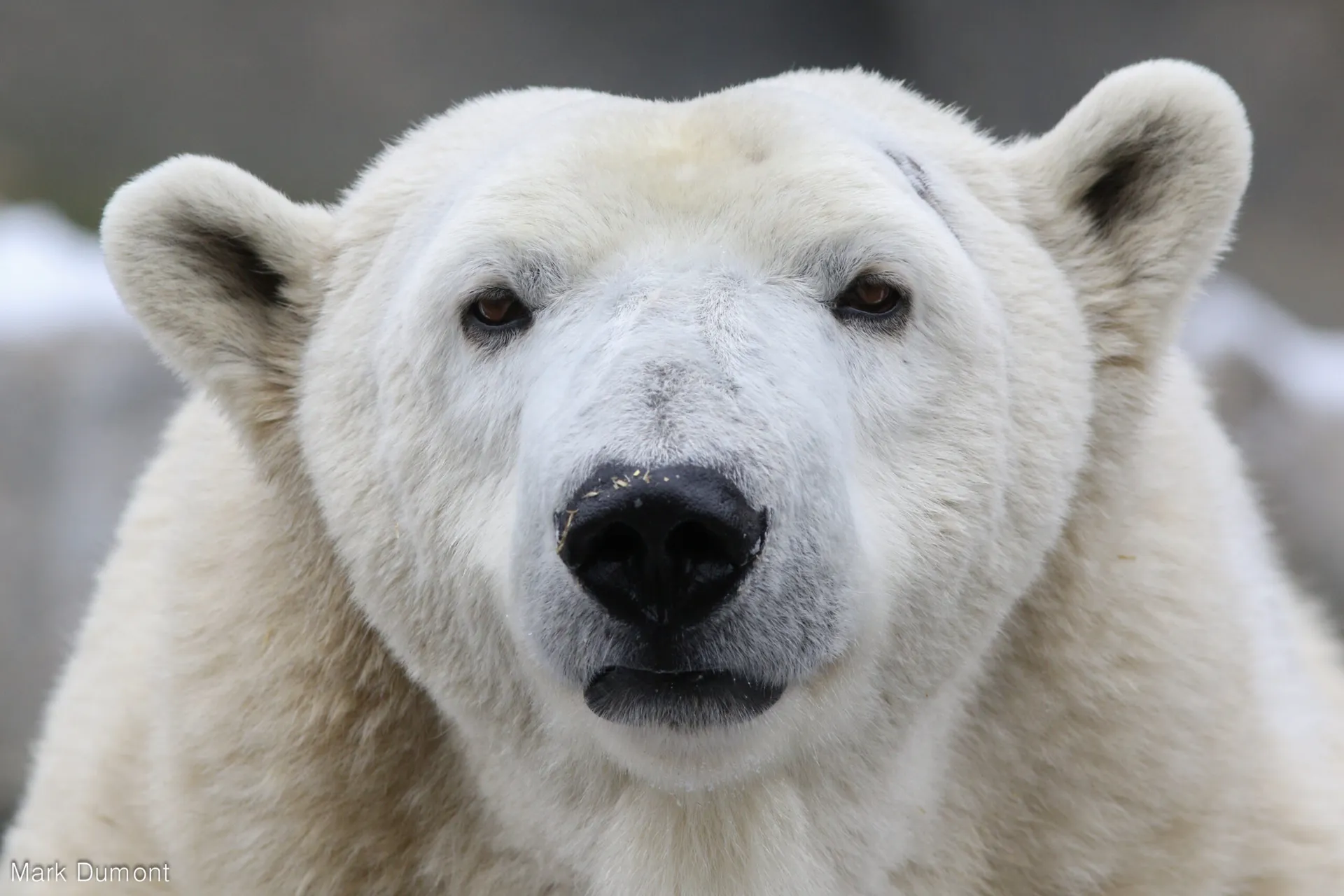 Many questions about wild polar bears cannot easily be answered in the Arctic, where animals are widely dispersed and not easily accessible. Zoo bears provide opportunities to develop and validate new monitoring techniques under carefully managed conditions, before applying them to wild populations. By understanding normal physiology, reproduction, and health in zoo bears, scientists can better interpret findings from wild bears and develop tools that support conservation and inform wildlife management. This “bench-to-Arctic” approach allows discoveries made in zoological institutions to directly benefit conservation efforts in the wild.

Successful reproduction is the foundation of healthy, sustainable populations. Yet many aspects of polar bear reproduction remain poorly understood. CREW scientists are working to understand every stage of reproduction- from sexual maturity through reproductive aging- using a variety of approaches. These studies provide valuable information for improving breeding recommendations while advancing our understanding of polar bear biology.
Current research includes:
- Non-invasive hormone monitoring
- Biomarker discovery for pregnancy diagnosis
- Long-term reproductive monitoring
- Reproductive examinations
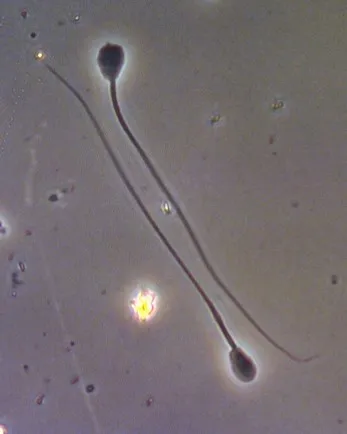
Maintaining genetic diversity is critical for the long-term sustainability of zoo-managed populations and information learned from zoo bears may one day help conserve genetics from wild populations facing environmental change. CREW is developing assisted reproductive techniques that allow valuable genetic material to be preserved and shared among institutions. Scientists are also refining methods for collecting, evaluating, and cryopreserving sperm for future use.
Current research includes:
- Semen collection
- Sperm cryopreservation
- Artificial insemination
- Ovulation induction
- Genome resource banking
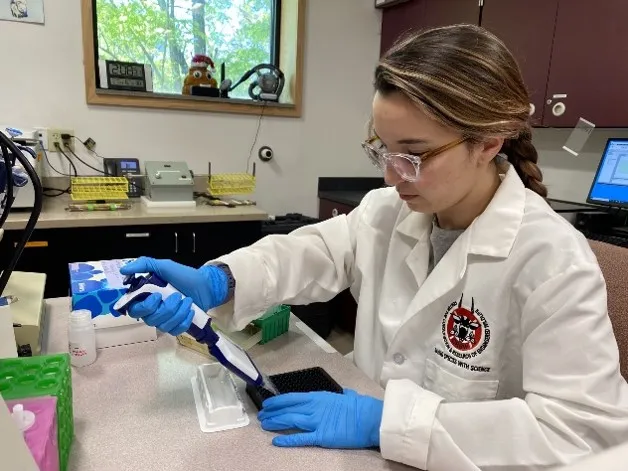
Understanding what is “normal” is essential for recognizing disease, monitoring health, and evaluating how animals respond to environmental change. CREW researchers are establishing species-specific reference values for hormones and clinical biomarkers while developing new tools to assess health and fitness. These studies improve veterinary care for zoo bears and provide valuable baseline information for evaluating wild populations.
Current research includes:
- Seasonal hormone profiles
- Serum biomarker identification and assay validation
- Clinical pathology reference intervals
- Multiplex diagnostic assays
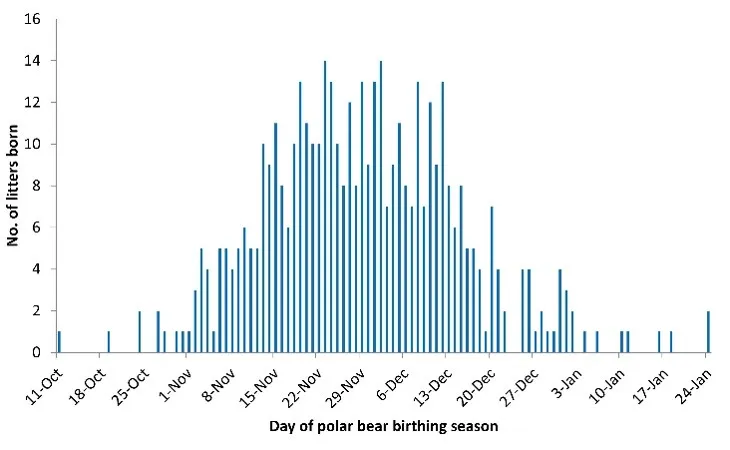
Using decades of records alongside modern reproductive data, CREW scientists are studying the biological and management factors associated with successful reproduction. These findings help inform breeding recommendations, improve population sustainability, and guide long-term management decisions.
Current research includes
- Demographic modeling
- Studbook analyses and population management evaluation
- Assessment of breeding management strategies
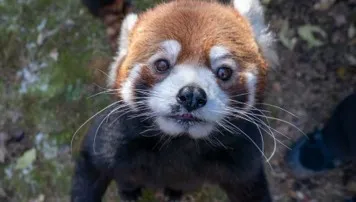 Despite their unique reproductive strategies, polar bears share commonalities in reproductive processes, such as seasonal breeding, induced ovulation, embryonic diapause, and pseudopregnancy in the absence of true pregnancy, with several other species, including other bear species, mink, otters, seals, and red pandas. The innovative approaches developed through the Polar Bear Signature Project can be applied to other threatened and endangered species.
Current projects include:
Sloth Bears
Scientists are adapting reproductive hormone monitoring, semen evaluation, and fertility assessment techniques developed in polar bears to support the conservation and management of sloth bears in human care (in collaboration with the Cleveland Zoo).
Red Pandas
CREW researchers are developing methods to monitor reproduction and pregnancy in red pandas, helping improve our understanding of embryonic diapause.
Collaborative Conservation
The Polar Bear Signature Project is built on collaboration.
CREW partners with more than 45 zoological institutions across North America and internationally, as well as AZA’s Bear Taxon Advisory Group (Bear TAG), universities, government agencies, the Polar Bear Research Council and organizations including Polar Bears International. Together, these collaborations provide access to samples, expertise, and long-term datasets that no single institution could generate alone.
By combining resources across the conservation community, we are accelerating discoveries that improve polar bear health, reproduction, and long-term sustainability.
Map illustrating the geographic distribution of zoological institutions collaborating with the Center for Conservation and Research of Endangered Wildlife (CREW) at the Cincinnati Zoo & Botanical Garden on polar bear physiologic and reproductive research. Each polar bear icon represents an institution that has contributed to the project. This map highlights the extensive collaborative network and national reach supporting CREW’s efforts to improve polar bear health assessment, reproductive management, and long-term population sustainability.

Polar Bear Signature Project at CREW
Expand for Peer-reviewed Scientific Publications
 | Wojtusik J, Virgin E, Curry E. (2026) Characterization of serum follicle stimulating hormone, growth hormone, leptin, luteinizing hormone, and prolactin in female polar bears (Ursus maritimus) via multiplex immunoassay. Journal of Animal Science (accepted, in press)
|
 | Rzucidlo CL, Beltran RS, Robinson PW, Curry E, Klink AC, Hindle AG, Shero MR. (2026). Application of infrared thermography coupled with Eulerian Video Magnification to monitor vital signs in wild pinnipeds, from sandy beaches to icy shores. BMC Biology 24(1):82 doi.org/10.1186/s12915-026-02565-z
|
| Tompros A, Wojtusik J, Virgin E, Philpott M, Curry E. (2025). Assessment of anti-Müllerian hormone in polar bears (Ursus maritimus): Insights into seasonal regulation and reproductive senescence. Theriogenology Wild 7:100140 doi: 10.1016/j.therwi.2025.100140
|
 | Curry E, Reinhart PR, Heinz JY, Barnes JL. (2025). Altrenogest-supported term gestation complicated by dystocia in a species exhibiting embryonic diapause, the red panda (Ailurus fulgens). Theriogenology Wild 7:100139 doi.org/10.1016/j.therwi.2025.100139
|
| Teman SJ, Atwood TC, Laidre KL, Virgin E, Rode KD, Rispoli L, Curry E. (2025). Hemoglobin A1c (HbA1c) is a retrospective indicator of denning in polar bears (Ursus maritimus). Journal of Mammalogy. Journal of Mammalogy 106:5; 1167-1177/ doi.org/10.1093/jmammal/gyaf033
|
| Curry E, Barnes J, Donelan E, Wojtusik J, Kennedy V, Virgin E, Philpott M, Roth TL. (2024). Reproductive health assessments in female polar bears: Anatomy, pathology, and diagnostic techniques. Theriogenology Wild 5:100105. doi:10.1016/j.therwi.2024.100105
|
| Wojtusik J, Philpott M, Donelan E, Stoops MA, Roth TL, Curry E. (2024). Testosterone concentrations in juvenile male polar bears (Ursus maritimus). Theriogenology Wild 5:100104. doi:10.1016/j.therwi.2024.100104
|
| Rzucidlo C, Curry E, Shero M. (2023). Non-invasive measurements of respiration and heart rate across wildlife species using Eulerian video magnification of infrared thermal imagery. BMC Biology 21:61. doi: 10.1186/s12915-023-01555-9
|
| Dedato M, Magerman J, Berke O, Curry E, Mastromonaco G. (2023). Understanding pregnancy-related hormones in female red pandas. Theriogenology Wild 3:100053 doi:10.1016/j.therwi.2023.100053
|
| Brandhuber M, Atkinson S, Cunningham C, Roth T, Curry E. (2023). Assessing dehydroepiandrosterone sulfate (DHEAS) as a novel biomarker for monitoring reproduction in polar bears. General and Comparative Endocrinology 338:114276. doi: 10.1016/j.ygcen.2023.114276.
|
| Curry E, Philpott ME, Wojtusik J, Haffey WD, Wyder MA, Greis KD, Roth TL. (2022). Label-free quantification (LFQ) of fecal proteins for potential pregnancy detection in polar bears. Life 12:796. doi: 10.3390/life12060796
|
| Wojtusik J, Roth TL, Curry E. (2022). Case studies in polar bear (Ursus maritimus) sperm collection and cryopreservation techniques. Animals 12:430. doi: 10.3390/ani12040430
|
| Curry E, Skogen M, Roth TL. (2021). Evaluation of an odour detection dog for non-invasive pregnancy diagnosis in polar bears (Ursus maritimus): Considerations for training sniffer dogs for biomedical investigations in wildlife species. Journal of Zoo & Aquarium Research 9:1-7. doi.org/10.19227/jzar.v9i1.568
|
| Lowe J and Curry E. (2021). Incidence of pregnancy loss and characterization of fetal development in red pandas. Reproduction & Fertility 2:292-299. doi:10.1530/RAF-21-0079
|
| Bourque J, Desforges JPW, Levin M, Atwood TC, Sonne C, Dietz R, Jensen TH, Curry E, McKinney MA. (2020). Climate-associated drivers of plasma cytokines and contaminant concentrations in Beaufort Sea polar bears. Science of the Total Environment 745:140978.
|
 | Curry E, Easley JS, Wojtusik J, Roth TL. (2020). Identification of mink (Neovison vison) fecal proteins during embryonic diapause and placental pregnancy for non-invasive pregnancy diagnosis in wildlife. Bioscientifica Proceedings 10:101-112. doi: 10.1530/biosciprocs.10.007
|
| Bryant J and Roth T. (2018). Annual fecal glucocorticoid metabolite concentrations in pregnant and pseudopregnant polar bears (Ursus maritimus) in North American zoos. Journal of Zoo and Aquarium Research, 6(1), 6–11. https://doi.org/10.19227/jzar.v6i1.259
|
| Steinman KJ, O’Brien JK, Fetter GA, Curry E, Roth TL, Owen MA, Robeck TR. (2017). Enzyme immunoassay analysis for androgens in polar bear (Ursus maritimus) urine using enzyme hydrolysis. Aquatic Mammals 43:245-253. doi:10.1578/AM.43.3.2017.245
|
| Curry E, Browning L, Reinhart P, Roth TL. (2017). Integrating trans-abdominal ultrasonography with fecal steroid metabolite monitoring to accurately diagnose pregnancy and predict the timing of parturition in the red panda (Ailurus fulgens styani). Zoo Biology 36:193-200. 10.1002/zoo.21358
|
| Curry E, Safayi S, Meyerson R, Roth TL. (2015). Reproductive trends of captive polar bears (Ursus maritimus) in North American zoos: a historical analysis. Journal of Zoo and Aquarium Research 3:99-106. doi.org/10.19227/jzar.v3i3.133
|
| Curry E, Wyatt J, Sorel L, MacKinnon KM, Roth TL. (2014). Ovulation induction and artificial insemination of a captive polar bear (Ursus maritimus) using fresh semen. Journal of Zoo and Wildlife Medicine 45:645-649. DOI: 10.1638/2013-0055R1
|
| Stoops MA, MacKinnon KM, and Roth TL (2012). Longitudinal fecal hormone analysis for monitoring reproductive activity in the female polar bear (Ursus maritimus). Theriogenology 78: 1977-1986. 10.1016/j.theriogenology.2012.07.005
|
| Curry E, Roth TL, MacKinnon KM, Stoops MA. (2012). Factors influencing annual fecal testosterone metabolite profiles in captive male polar bears (Ursus maritimus). Reproduction in Domestic Animals 47:222-225. DOI: 10.1111/rda.12012
|
| Curry E, Stoops MA, Roth TL. (2012). Non-invasive detection of candidate pregnancy protein biomarkers in the feces of captive polar bears (Ursus maritimus). Theriogenology 78:308-314. DOI: 10.1016/j.theriogenology.2012.02.004
|